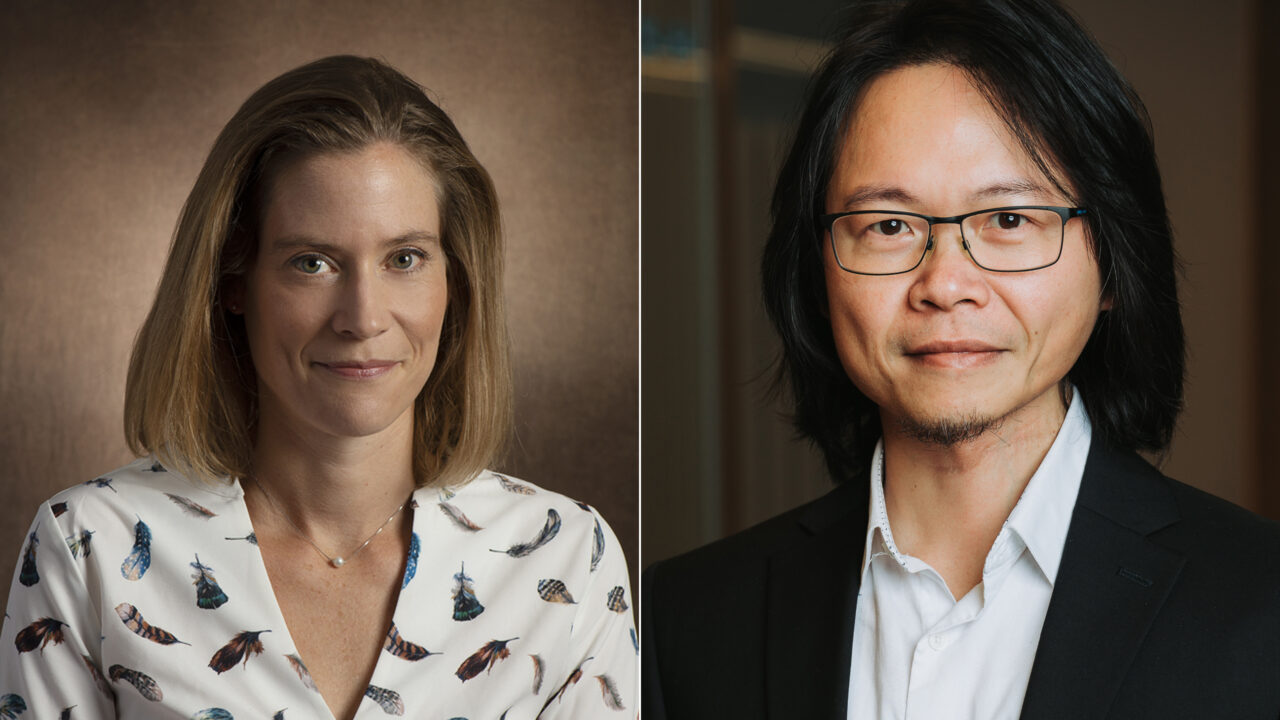
KNAW wants Israel removed from European research programme

An increasing number of researchers are calling Israel’s violence in Gaza ‘genocidal’, according to the Royal Netherlands Academy of Arts and Sciences (KNAW). The country should therefore no longer be allowed to participate in the European research programme Horizon.
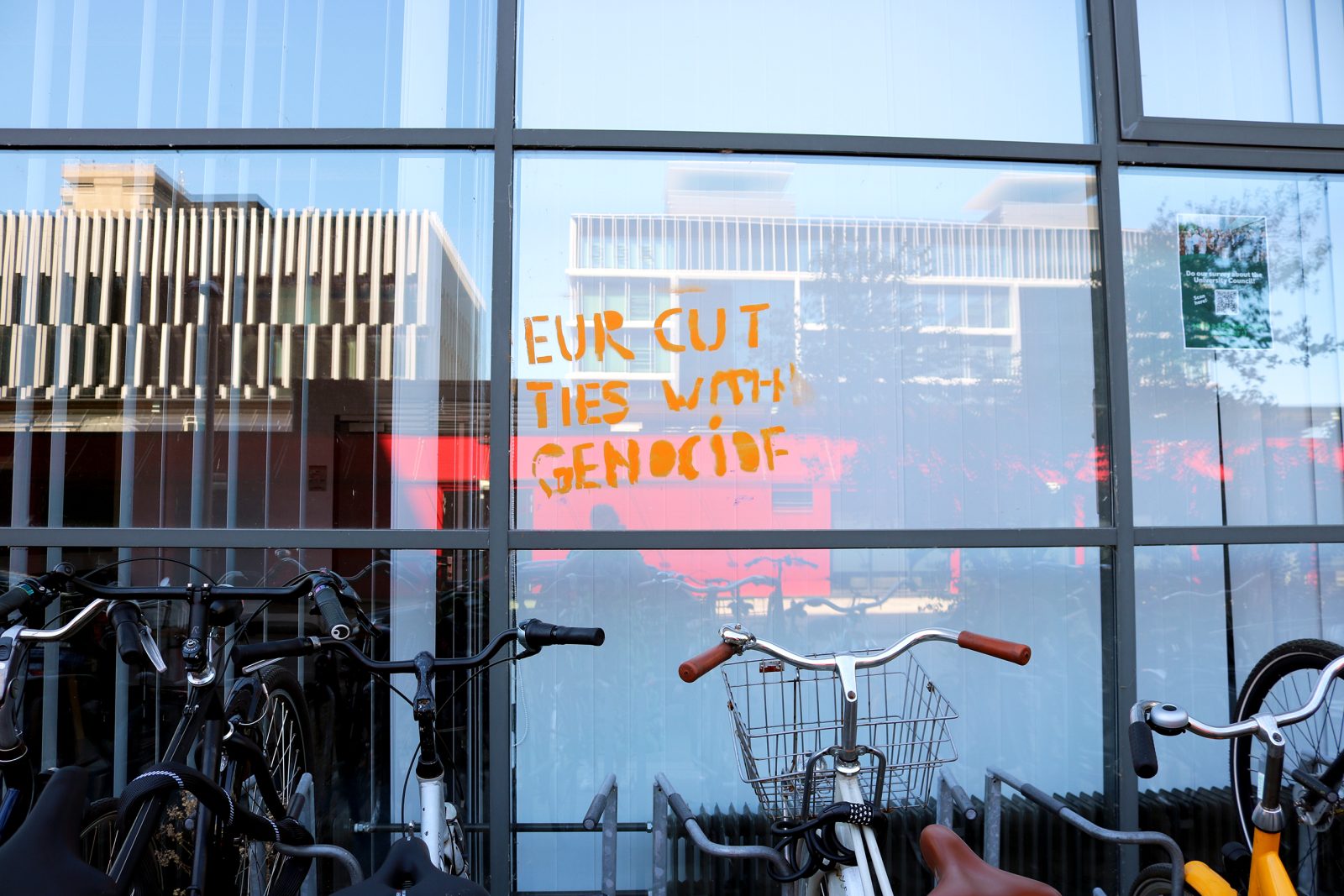
Image by: Esther Dijkstra
The Academy’s board members not only point to the tens of thousands of civilian casualties, the famine and the blockade of humanitarian aid, but also to the systematic destruction of hospitals, universities and schools in Gaza. The situation amounts to ‘scholasticide’, the KNAW writes in a statement on Israel and Gaza published on its website.
Researchers at the KNAW’s NIOD Institute for War, Holocaust and Genocide Studies also assert that Israel is committing genocidal violence in Gaza. This is also the position of an international association of genocide researchers.
The KNAW statement reads: “Now that scientific consensus on the genocidal nature of Israel’s violence is growing, the KNAW board is calling on the Minister of Education, Culture and Science to actively push for the suspension of Israel’s participation in the Horizon European research programme.”
European cooperation
The European Commission has proposed suspending cooperation between Israel and the European Innovation Council (EIC). This innovation council is part of the Horizon Europe research programme. In other components, such as the European Research Council (ERC), Israel would remain welcome.
The Dutch cabinet supports the proposal, the new caretaker Minister of Foreign Affairs David van Weel informed the House of Representatives last Tuesday. But according to him, there is not yet a majority among member states. “There is currently insufficient support for a suspension.”
Autonomy
And within the Netherlands? Gouke Moes, the new caretaker Minister of Education, Culture and Science, prefers not to interfere in the collaboration between universities and Israeli institutions, as became clear during a debate on academic freedom last week.
Like his predecessors, Moes wants universities and universities of applied sciences to make their own judgements about such partnerships. Nor does he wish to suppress protests against such cooperation.
Moes is the successor to NSC minister Eppo Bruins, who resigned on 22 August following the departure of fellow NSC minister Caspar Veldkamp (Foreign Affairs). Veldkamp said he had received insufficient support for additional measures against Israel.
Lees meer
-

Belgian universities: help us terminate the EU treaty with Israel
Gepubliceerd op:-
Politics
-
De redactie
Latest news
-
Letschert gives nothing away in first parliamentary debate
Gepubliceerd op:-
Education
-
Politics
-
-
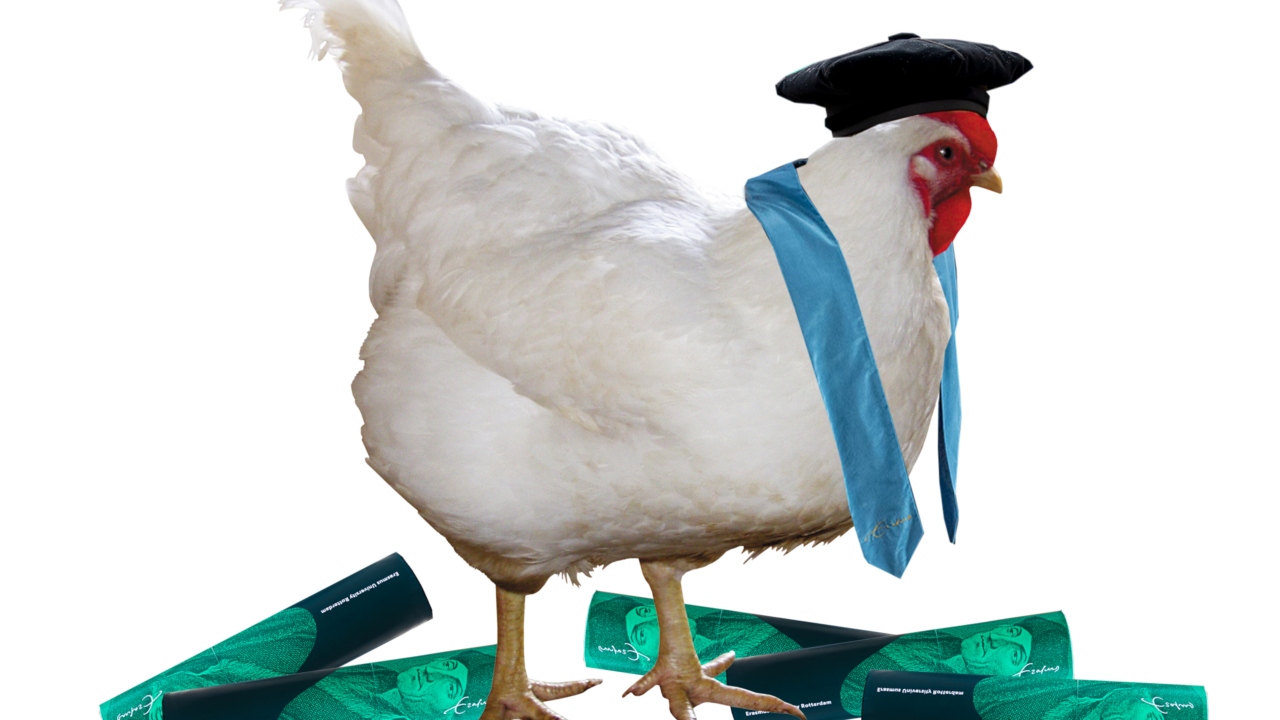
Away with the ‘profkip’, says The Young Academy
Gepubliceerd op:-
Science
-
-

House of Representatives wants basic grant for university master after HBO
Gepubliceerd op:-
Money
-
Politics
-

Comments
Comments are closed.
Read more in Science
-
Away with the ‘profkip’, says The Young Academy
Gepubliceerd op:-
Science
-
-
Two Vici grants for researchers ESE and ESPhil
Gepubliceerd op:-
Science
-
-

Participants in dialogue on academic freedom want actions to match words
Gepubliceerd op:-
Science
-