Ad

Chicken coop democracy
In the years before World War II, confidence in parliamentary democracy was low in the Netherlands. By the 1930s, the influence of fascism and Nazism had grown in our country. Among many academics, this did not lead to more support for democracy, but mostly to more criticism. Criticism of a parliamentary system where there was a lot of talking and little decision-making.
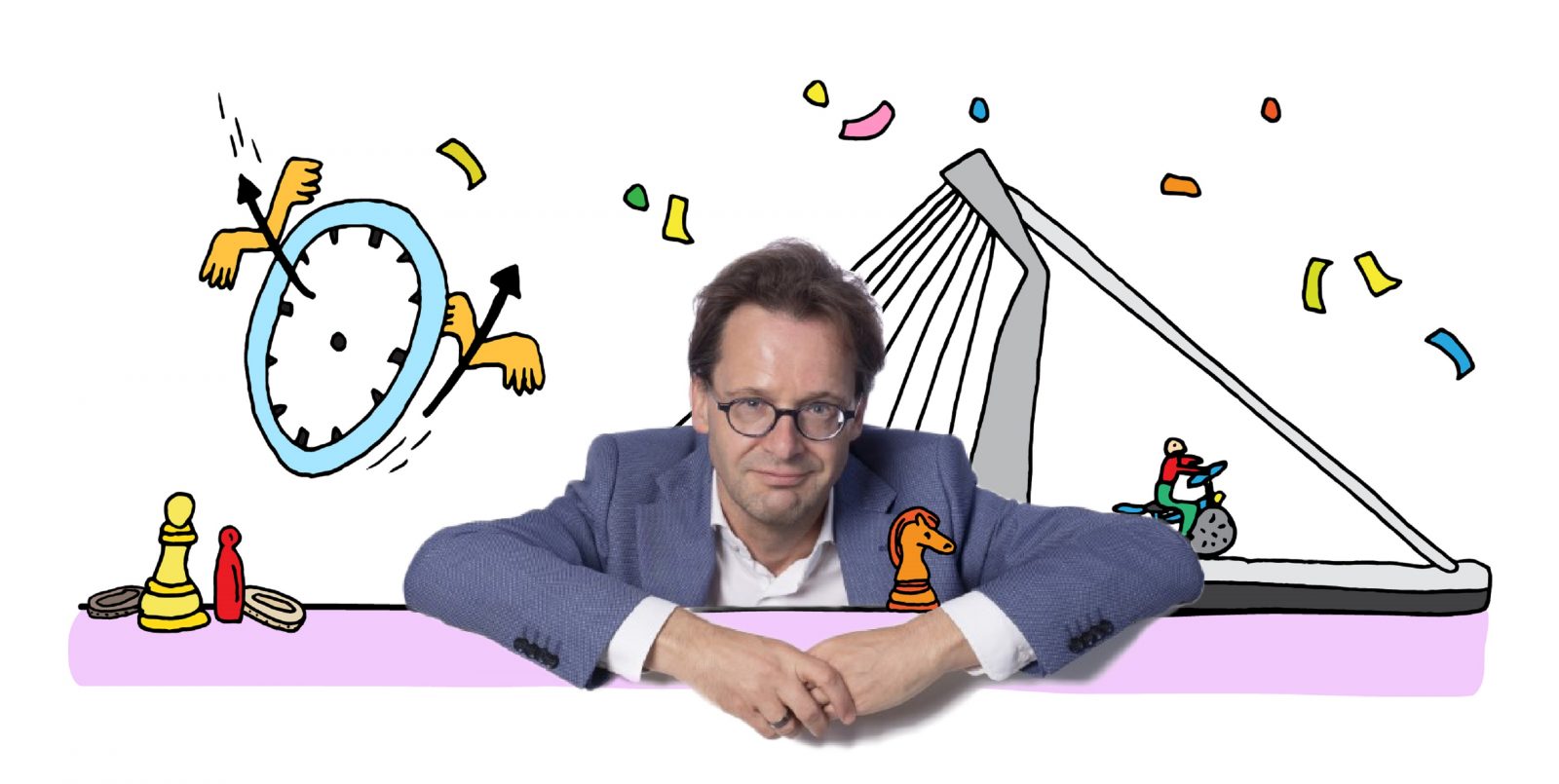
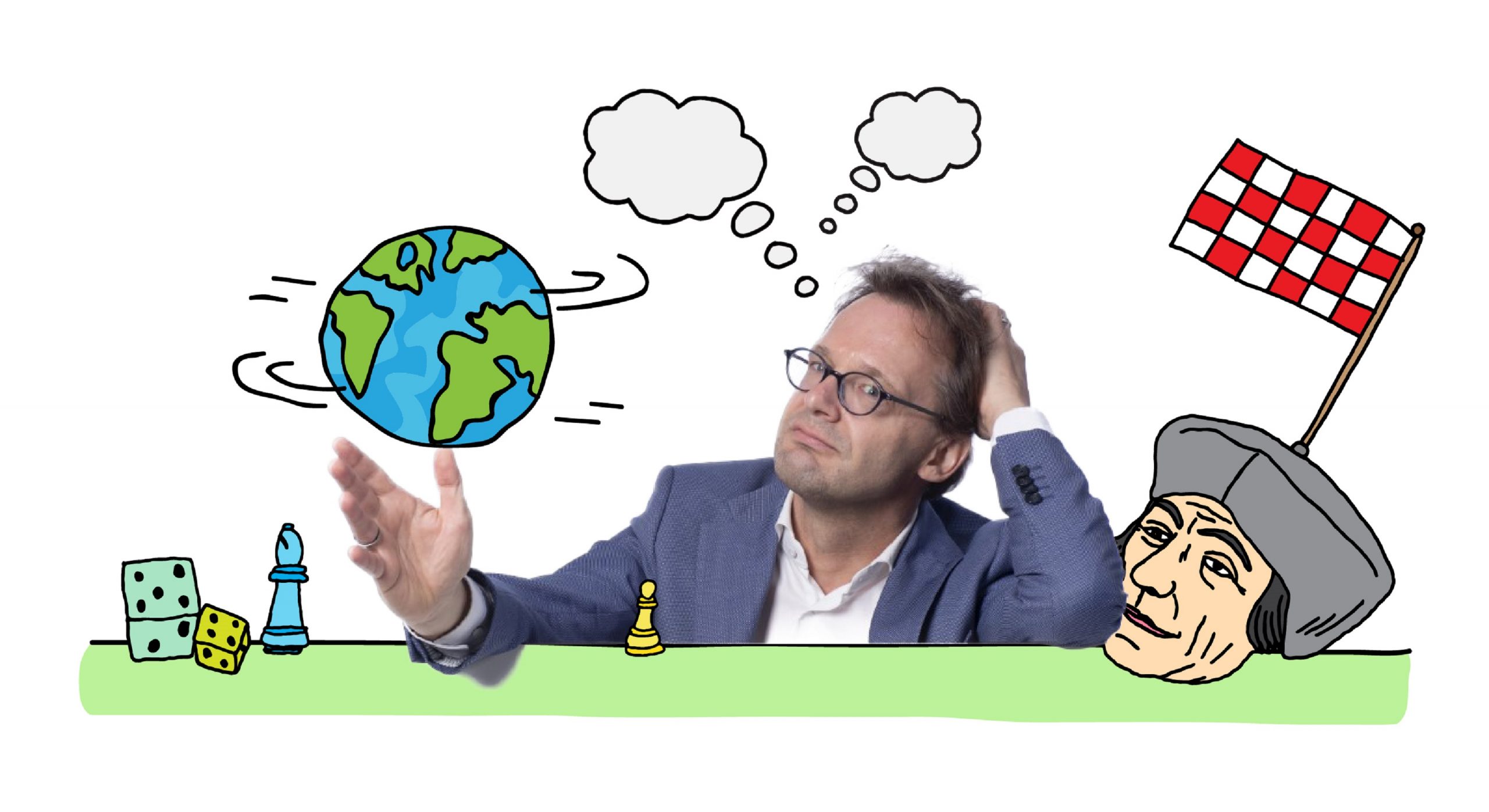
Image by: Levien Willemse, Pauline Wiersema
One exception was Philip Kohnstamm, the philosopher and physicist who advocated for parliamentary democracy in the 1930s. Kohnstamm, a thinker of German-Jewish descent, was a professor of pedagogy. To him, the arguments he heard against democracy applied even more to dictatorship; if anything, the advantages people mentioned of dictatorship he saw as the advantages of democracy.
Summer is the perfect time to write and finish books. This time it was a summary of philosophy in our country over the past thousand years – which I also get to lecture on later this year. It is interesting to see how philosophers in our country dealt with similar questions over the centuries, such as those regarding freedom and tolerance. They were thinkers who always fought for people’s freedom to think for themselves, while always asking how these different people could nonetheless live together peacefully. Philosophers who constantly tested the limits of what was accepted in society, holding up a mirror to tolerance. And thinkers who threw themselves into the breach when that freedom was threatened.
Read more
-
Americans never grow up
Gepubliceerd op:-
Column
-
‘Dictatorship : democracy = training : education.’ With this formula, Philip Kohnstamm tried to indicate what he considered the difference between authoritarianism and democratic governance. Communists and national socialists presented themselves as the ‘true’ representatives of the people in the 1930s. As an alternative to parliamentary democracy, they wanted to exchange parliamentary talk for decisive leadership. A criticism that was hardly ever refuted and often echoed by the leaders of democratic parties; they too complained about the sluggishness of democracy and went along with the call for strong leaders who could tackle problems. A criticism Kohnstamm was keen to refute.
Democratic governance could never be done in the name of all the people, Kohnstamm argued, because people simply have different interests. Strong leaders will always choose to serve particular interests, not all interests. He called this chicken coop democracy, where we cluck at each other and follow the cockerels. This trains people to act in a certain way, thus leading to dictatorship. Humans are not rational, but emotional beings, Kohnstamm acknowledged, and to a large extent act irrationally. He said that was precisely what made parliamentary democracy so suitable. This system gives room for all kinds of emotions and divergent views, which are suppressed in a dictatorship. It is a never-ending debate, because the world we live in is a work in progress.
The Netherlands will hold elections again on October 29, for the ninth time in twenty-five years. Along with these elections, there is increasing criticism of the constant talk and lack of decision-making – a sentiment also expressed by academics. I found it interesting to read Kohnstamm’s response, at a time when democracy was more under attack than now. He actually saw the slowness of the parliamentary search for answers as an advantage. He reminded academics that science flourished not through quick decision-making, but through sustained discussion. The pedagogue also pointed to child rearing, for which parents are not given a manual and have to figure it out in practice. Kohnstamm believed that the same principle applied to democracy; something people can only learn in practice. The good news is that, with all these elections, we are given many opportunities to get it right. Keep trying, until we finally learn.
Ronald van Raak is professor of Philosophy.
Read more
-
Would you still go to America?
Gepubliceerd op:-
Column
-
De redactie
-
 Ronald van Raak
Columnist
Latest news
-
TU Delft may not favour women in admissions to courses
Gepubliceerd op:-
Education
-
-

Hate campaigns and political pressure: KNAW wants legal protection for academic freedom
Gepubliceerd op:-
Science
-
-

Signing up for a Dutch course ‘feels like a race’, no more places available for now
Gepubliceerd op:-
Internationalisation
-

Comments
Comments are closed.
Ad
Read more in Column
-
The sad anniversary of powerless staff and students
Gepubliceerd op:-
Column
-
-

Tea, theory and a healthy dose of procrastination
Gepubliceerd op:-
Column
-
-
The drama of Jason Arday
Gepubliceerd op:-
Column
-