Greater trust in science, but not among everyone

The Dutch have slightly more trust in science on average than they did three years ago, according to a report by the Rathenau Institute. At the same time, opinions are becoming increasingly polarised.
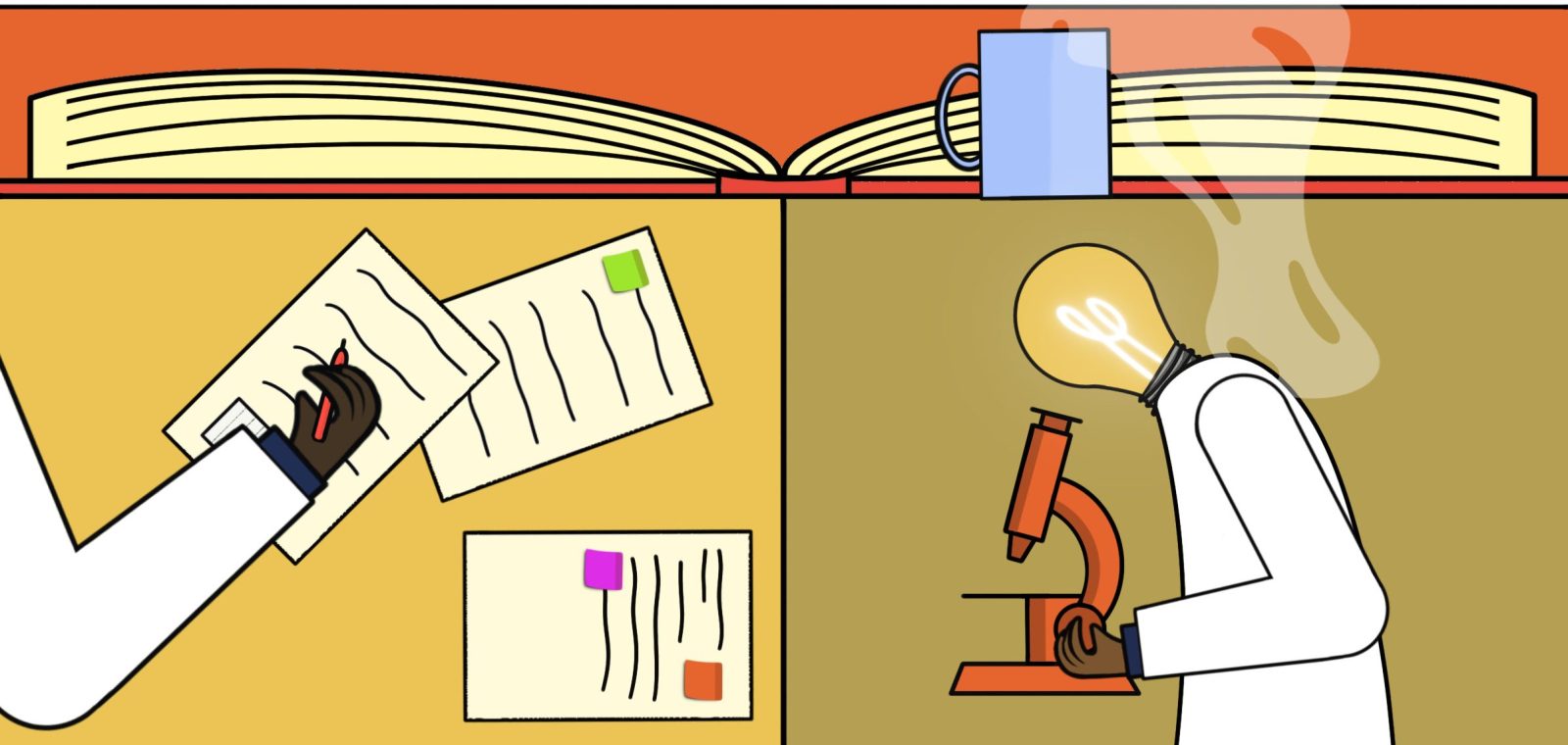
Image by: Bart Huijser
Every three years the Rathenau Institute asks the Dutch about their trust in, among other things, science, the judiciary, the media and the government. On a scale of 1 to 10, citizens this year give science an average of 7.53. That is a slight increase compared to 7.42 in the previous survey in 2021.
Compared to other Dutch institutions, trust in science is high. The judiciary scores 6.60, newspapers 5.65 and television 4.83. The government is at the bottom of the ladder with a score of just 4.33.
Read more
-

Academic freedom in the Netherlands under pressure
Gepubliceerd op:-
Science
-
Influence
Strikingly, the number of people with very little trust in science (a 5 or lower) has risen sharply, from 9.5 percent in 2021 to 14.6 percent now. This group is often concerned about the influence on science, particularly from companies and organisations that help fund it.
The reason the average has nonetheless risen is mainly because the number of very positive ratings also increased: 34.1 percent gave science a 9 or 10, compared with 20.6 percent in 2021.
According to the Rathenau Institute, people’s opinions often correlate with education level, age and political preference. They also differ by subject: research into health inspires more trust than research into inequality and discrimination.
Germany
In many developed countries trust in science remains fairly stable. Germany is a striking exception: there trust is actually declining. In 2021, 61 percent of German citizens said they had confidence in science, but by 2024 this had dropped to 55 percent.
De redactie
Latest news
-

Letschert gives nothing away in first parliamentary debate
Gepubliceerd op:-
Education
-
Politics
-
-
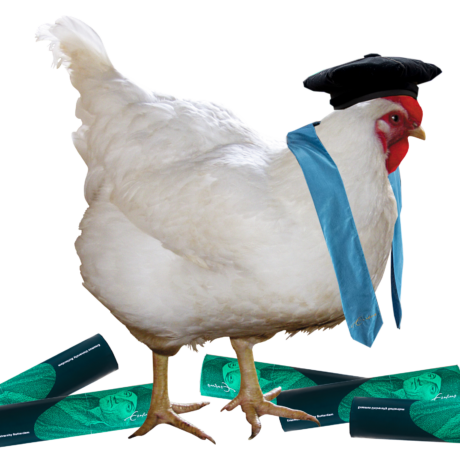
Away with the ‘profkip’, says The Young Academy
Gepubliceerd op:-
Science
-
-

House of Representatives wants basic grant for university master after HBO
Gepubliceerd op:-
Money
-
Politics
-


Comments
Comments are closed.
Read more in Science
-
Away with the ‘profkip’, says The Young Academy
Gepubliceerd op:-
Science
-
-

Two Vici grants for researchers ESE and ESPhil
Gepubliceerd op:-
Science
-
-

Participants in dialogue on academic freedom want actions to match words
Gepubliceerd op:-
Science
-