Ad

‘I’ve been working so hard to go on exchange to the US, nothing would change my mind’
Despite the rising political tensions, visa crackdowns and social media scrutiny, dozens of EUR students are going on exchange to the US after summer. The university did cancel an exchange programme on diversity and inclusion out of political and safety concerns.

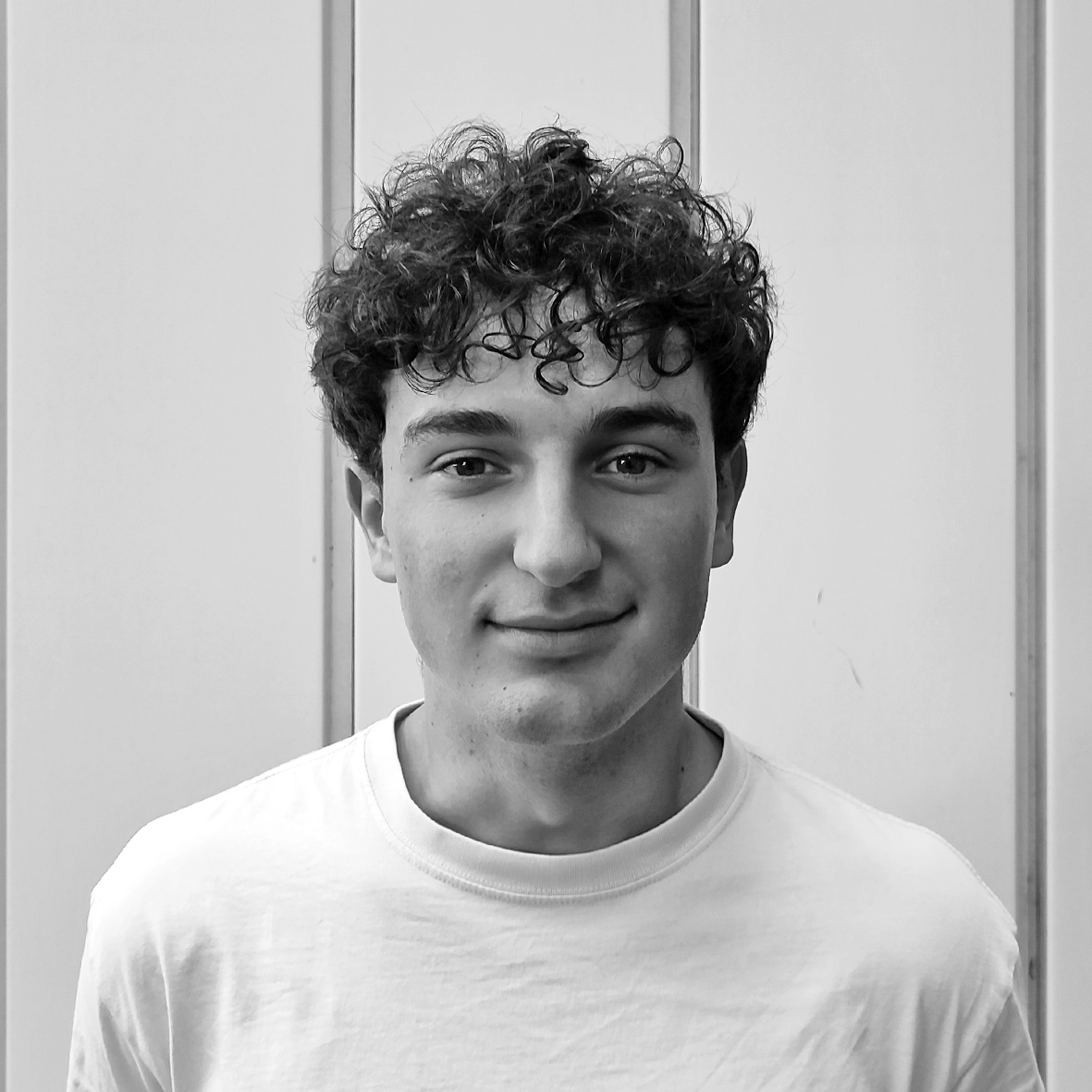
Image by: Sonja Schravesande
With the academic year ending, many second-year bachelor students look forward to next year for their exchange after summer. 65 out of 72 selected candidates have planned their exchange to the US, including IBACS student John and IBA student Tom.
Trump’s crackdown on international students started in May, by freezing visa processing for first timers and people looking to renew their stay. He implemented a social media vetting for any sign of hostility towards the US. This was followed by the threat of losing international enrolment privileges to universities like Harvard. If they failed to comply with Trump’s demands, they wouldn’t be able to recruit international students. A federal judge blocked the attempt.
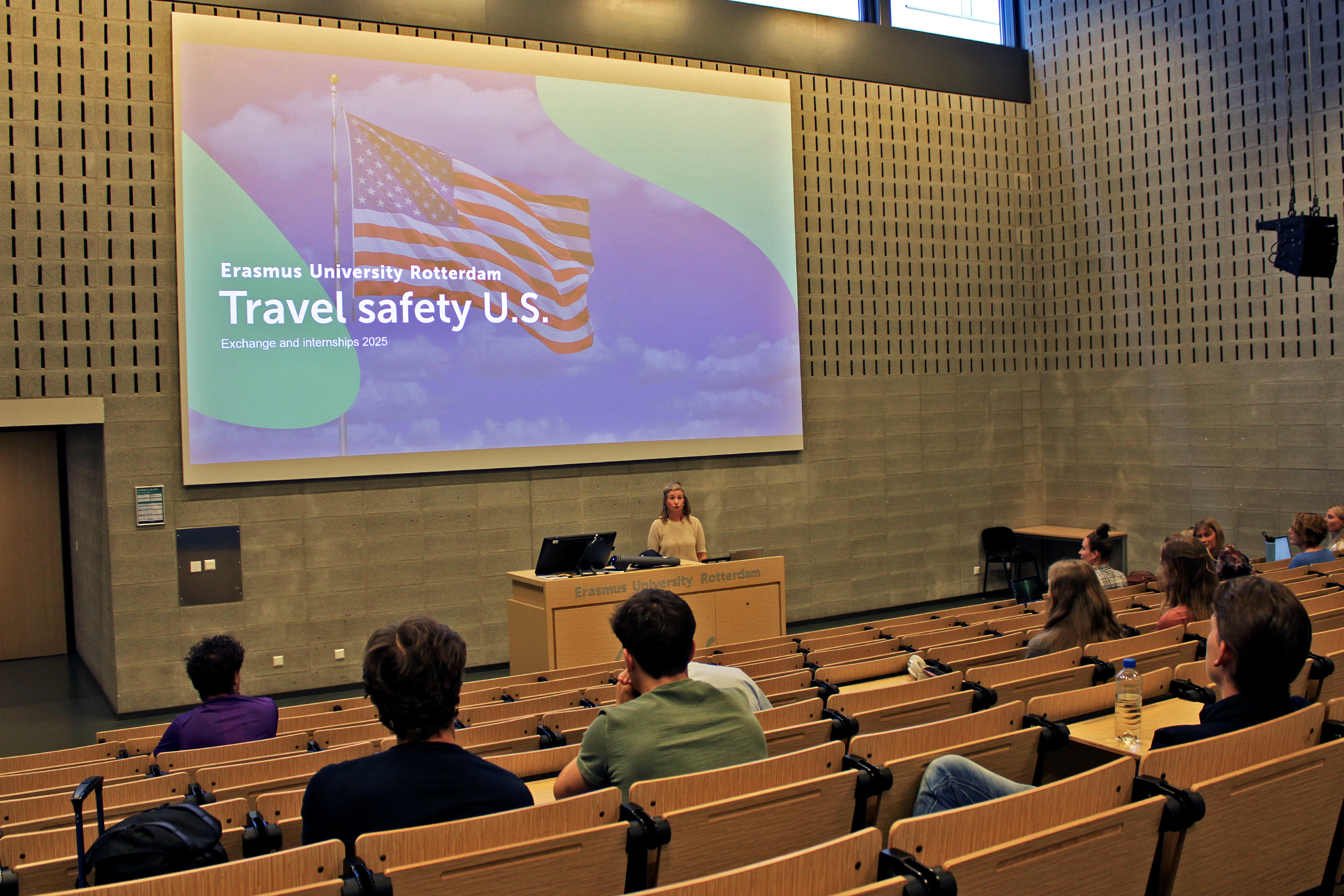
Erasmus University has stayed on top of the situation, keeping students up to date with all available information. It organised information sessions and sent emails with tips, such as having a return ticket ready and printed, as well as to not travel outside the US during the thirty day ‘grace’ period before or after your visa’s start date. Despite this, almost all students who accepted their exchange offer in the US have decided to go.
On the 20 of June, the US re-opened the visa application procedures with enhanced social media screening for all applicants. All people must have public social media platforms, and even in some cases access to private messages. To guarantee the safety of the students who were interviewed, their identities remain hidden behind pseudonyms to avoid undesirable consequences. Full names are known to the editors.
UCLA exchange cancelled
The EUR has however cancelled an exchange programme on diversity and inclusion with the University of California, Los Angeles (UCLA) due to concerns about the political situation in the US under President Trump. “Increasing concerns about safety and the fact that we have selected our students based on their IDEA profile”, is according to a spokesperson the reason for not proceeding with the programme, which was set to take place this year for the first time. Last October, a collaboration with the American university was established.
The plan was for four Rotterdam students and four UCLA students to spend four weeks at each other’s universities this summer, attending lectures and workshops on inclusion, diversity, equity and accessibility abroad. The programme aimed to target students who might find it more difficult or unlikely to choose an international exchange, such as first-generation students or traditionally underrepresented, most of whom being the first of their families to attend higher education.
The spokesperson, speaking for the IDEA centre of the EUR, says: “We do not want to ask them to temporarily hide that profile (such as by disabling social media or using a burner phone), as it would clash too much with the core values of IDEA.
The American students will not be coming to the Netherlands either. They were supposed to participate in a programme and collect data for research that they would further develop in the autumn.
Read more
-
Worries over trips to the US: ‘What if they google me?’
Gepubliceerd op:-
Campus
-
Why the US?
A student who is going to the US is John (International Bachelor Arts and Culture Studies). “Studying fulltime at a US university was too expensive, so the exchange felt like the right time and opportunity to go to the US, as I wouldn’t need to pay so much money.” John is committed to Florida State University. He’s already been to the US and can’t wait to get back. “I went on an exchange to Monterey, California in high school, and I fell in love. The sports culture, like basketball, is something I really follow a lot. The people I met were kind and social, making me really want to experience it again in my bachelor.”
‘To me, there was always something intriguing about the US’
Business Administration student Tom is heading to California, attending University of Southern California (USC). “To me, there was always something intriguing about the US. The international setting, the culture and the prestige that the universities bring. I felt that an exchange there would allow me to experience it all without necessarily living there long-term, whilst getting to experience that stereotypical US culture and university life, like the big campus, the football matches and the sports as well.”
Help for visa
For students to attend a university in the United States, an exchange visa is required to enter the country. That can be a hassle, since the US consulate in Amsterdam has been closed for visa applications for months. “You had to fill in a super long online form to try and get a visa appointment, taking around two hours. Then you had to pay 160 euros to process that form, and an extra 250 euros for the visa interview”, said Tom. He’s booked his appointment at the embassy in Frankfurt in the upcoming month. “I’ll have limited power in the outcome of the interview, so I’m trying not to stress and just make sure I do everything right.”
John already got his visa in Milan in May. “The Amsterdam consulate was closed, so I went back to Milan to do it. Luckily, I got it before the whole visa application situation was put on hold.”
‘Luckily, I got it before the whole visa application situation was put on hold’
Overall, both students received a lot of help from their exchange universities and EUR. “Florida State sent emails to all exchange students about the situation in the States, keeping us informed and telling us that it was still safe. EUR helped us more by warning us about the process and to be quick with all the applications”, said John.
USC was of more help to Tom than EUR for the application process. “They know the processes more than here. But RSM sent bi-weekly updates of the situation in the US to all exchange students and really told us to think through. They even allowed people to apply for minors late in case they didn’t want to go on exchange.”
Are they worried about the social media screening? “I don’t really repost tweets or reels or TikTok, so it’s not something I’ve had to change. But you do think about it a lot, you see if it has a deeper political meaning, so it can get very tiring”, said Tom. John hasn’t been much of a social media guy. “I’m not worried about it to be honest.”
Read more
-
‘Critics of USA or staff with x as their sex: do not go to the US!’, warns the university
Gepubliceerd op:-
Safety
-
Extreme case
John believes nothing would stop him from going to the US. “I’ve been trying to go there so hard that I just want to make it happen. Nothing would really change my mind, maybe a war or something but I know that’s not happening.”
For Tom, the situation would need to be extreme, and even then, not many options are available. “I’m almost guaranteed to be going on exchange, and I haven’t applied to any minors, so it would take a revolution in Los Angeles, something to really jeopardise my safety, for me to reconsider.”
De redactie
-
 Wieneke Gunneweg
Editor-in-chief
Latest news
-
TU Delft may not favour women in admissions to courses
Gepubliceerd op:-
Education
-
-

Hate campaigns and political pressure: KNAW wants legal protection for academic freedom
Gepubliceerd op:-
Science
-
-
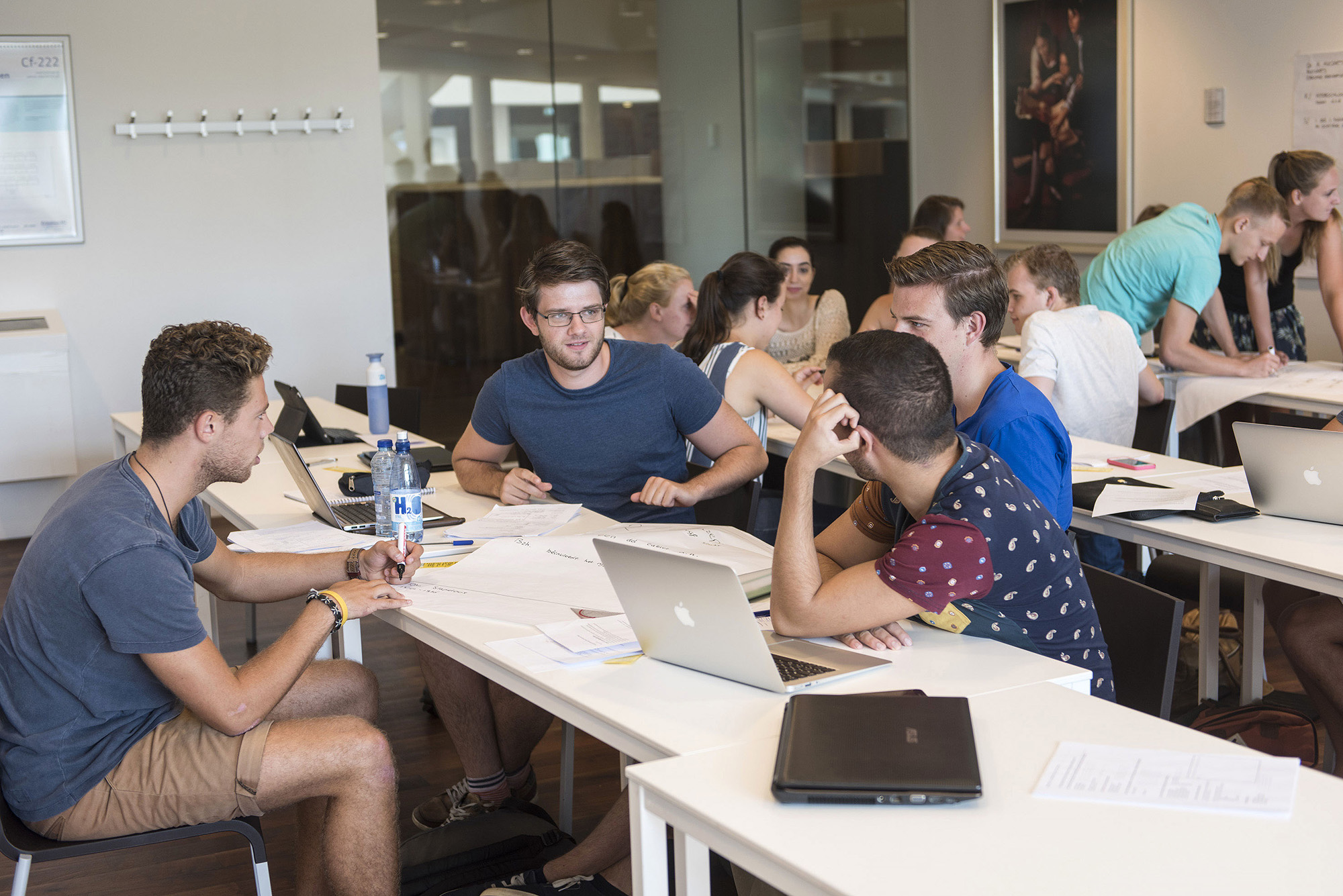
Signing up for a Dutch course ‘feels like a race’, no more places available for now
Gepubliceerd op:-
Internationalisation
-

Comments
Comments are closed.
Ad
Read more in Student life
-
RSC/RVSV accused of poo stunt targeting student houses in Utrecht
Gepubliceerd op:-
Student life
-
-

Carolina could wake up ten minutes before her lectures
Gepubliceerd op:-
Housing
-
-
No joint introduction week for vocational, applied sciences and university students for now
Gepubliceerd op:-
Eurekaweek
-