Rotterdam postdocs most likely to get permanent contracts

The fight against temporary contracts at universities in the Netherlands has yielded little for postdocs: 89 per cent have a temporary contract. There are significant differences between universities. In Rotterdam, postdocs and lecturers most often have a permanent contract; assistant professors, on the other hand, have it the least often.
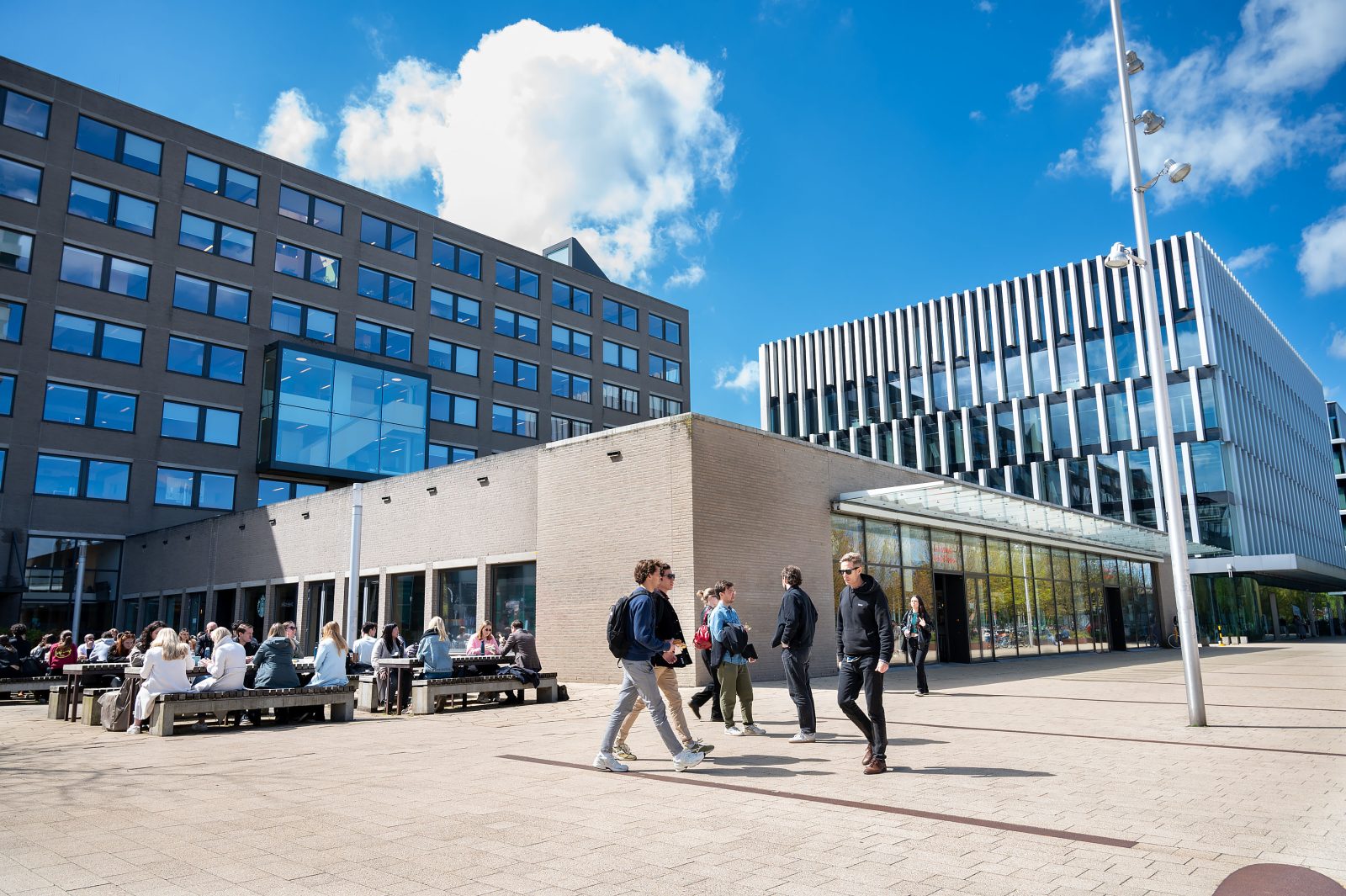
Image by: Ronald van den Heerik
Next week, negotiators from the universities and trade unions will once again discuss a new collective labour agreement. In recent years, such talks have not only focused on wage increases, but also on the widespread use of temporary contracts.
For professors and associate professors, these discussions make little difference. Nearly all of them have permanent positions. The talks are really about the rest of the academic career ladder.
Lecturers
The trade unions and the previous cabinet made significant progress for assistant professors. Fewer of them now work on temporary contracts: in three years, the percentage fell from 30 to 11.
A similar trend is visible among lecturers (without research responsibilities). In that group, the proportion of temporary contracts rose to 61 percent in 2021, but according to the latest figures has since dropped to 41 percent.
But other academic staff have had less luck. This group mainly includes postdocs who conduct research at universities after completing their PhD. Of them, 89 percent are in temporary employment, 12 percentage points more than twenty years ago.
The differences between universities are striking, even just among assistant professors. At Tilburg, Leiden, Delft and the University of Amsterdam, assistant professors almost never have temporary appointments. At Erasmus University Rotterdam, on the other hand, that figure is 29 percent.
The contrast is even starker for lecturers without research duties. In Utrecht, 85 percent of them are on temporary contracts, compared to just 6 percent in Rotterdam. In this case, Erasmus University sits at the opposite end of the spectrum.
The same goes for postdocs: where they work makes a big difference. At Erasmus University Rotterdam, 66 percent are on temporary contracts, while in Delft, Eindhoven, Groningen, Utrecht and at the two Amsterdam universities, UvA and VU, that figure is over 90 percent.
Negotiations
Will the fate of researchers come up in the negotiations for the new collective agreement? The FNV union is staying tight-lipped, as the negotiations are in their final stage. “It’s a sensitive issue, given the money that may or may not be available”, said a spokesperson. “We’re keeping a radio silence for now and hopefully we’ll soon be able to share the outcome.”
The current collective agreement notes that postdocs often work on projects funded by external sources. Therefore, a ‘prospect of a permanent job in academia’ is not to be expected. However, a study has been announced into the ‘contractual position’ and career paths of postdocs.
Read more
-
Employee survey: Work stress remains a persistent problem
Gepubliceerd op:-
Staff
-
De redactie
Latest news
-
Pro-Israel demonstration on campus: ‘The text ‘I am a Muslim who supports Israel’ is rather provocative’
Gepubliceerd op:-
Campus
-
Protest
-
-

TU Delft passed columnist’s name to police
Gepubliceerd op:-
Protest
-
-

NOS: Crisis of trust and culture of fear in Erasmus MC intensive care unit
Gepubliceerd op:-
Safety
-

Comments
Comments are closed.
Read more in Staff
-

Anti-Israeli Pettit not allowed to work at Brussels university
Gepubliceerd op:-
Staff
-
-

Pay rise for interns, clinical rotations and staff at UMCs
Gepubliceerd op:-
Staff
-
-

Pension fund ABP dumped US government bonds
Gepubliceerd op:-
Staff
-