With your diploma in another EU country: is it really that difficult?
EU citizens should be able to work more easily with their diplomas in another member state, according to the European Commission. However, things are already going quite well, says Nuffic expert Bas Wegewijs.
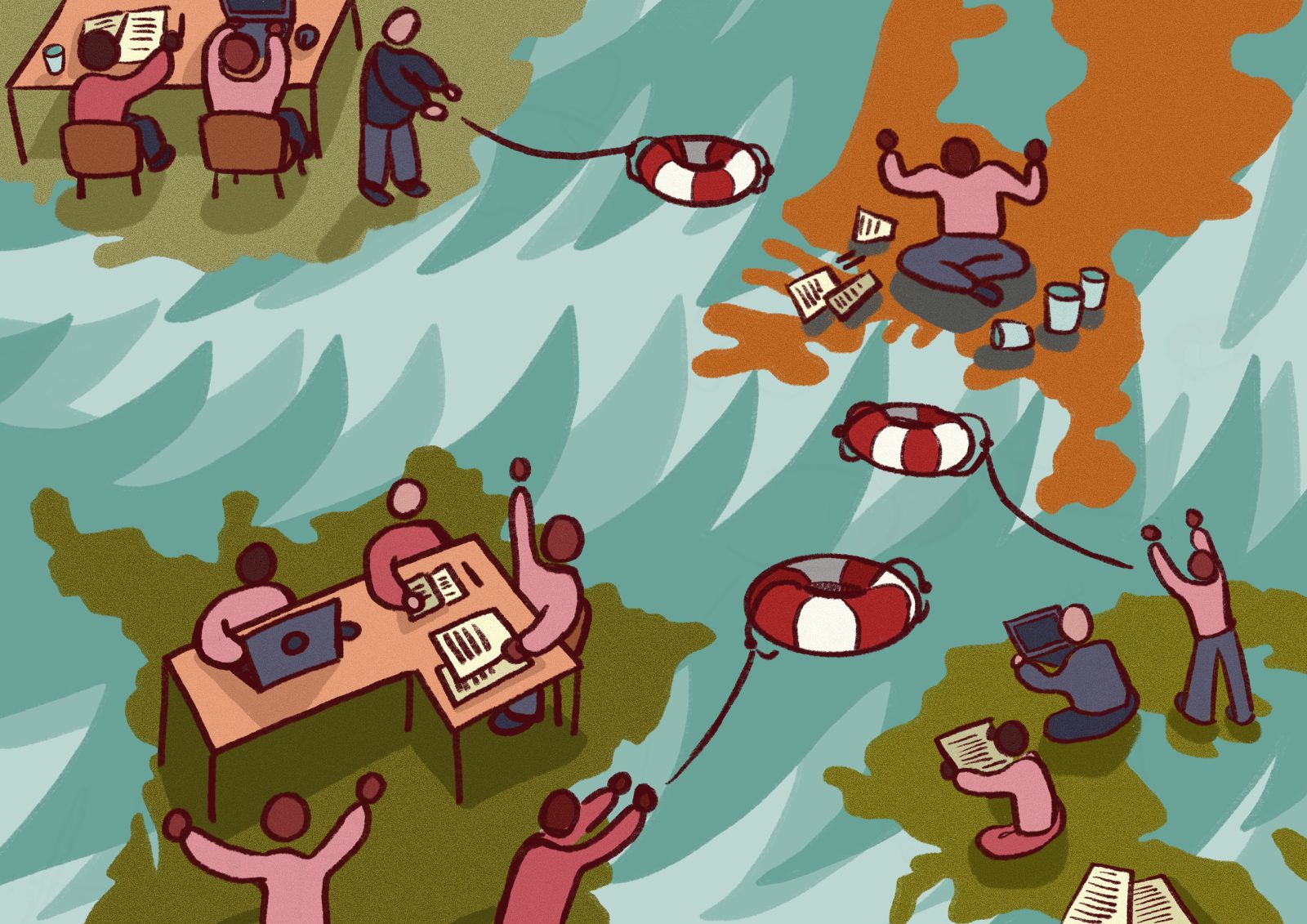
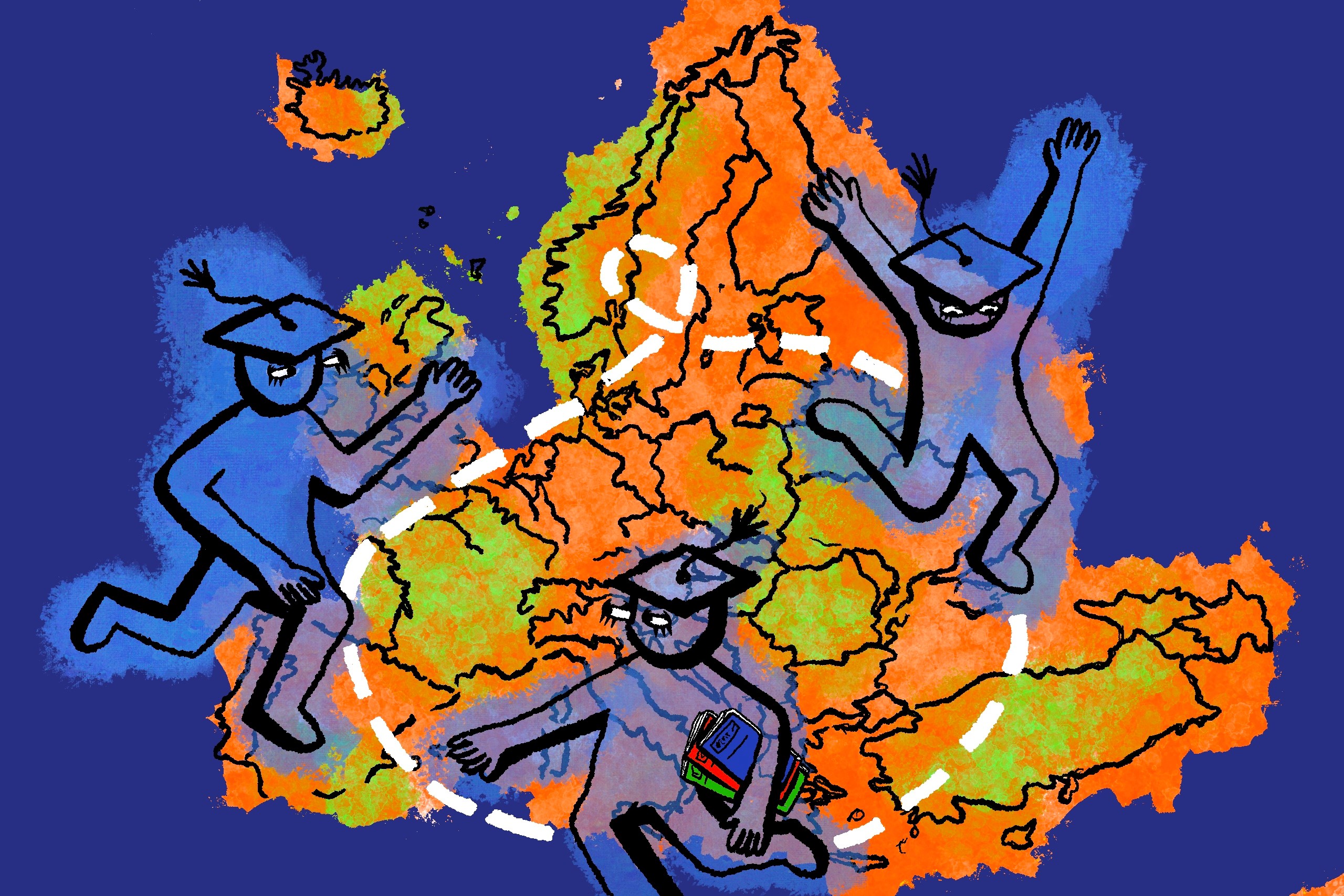
Image by: Josine Henneken
Last Wednesday, the European Commission launched a list of the terrible ten: the ten most annoying trade barriers of the European internal market. With a resurgent trade war in the rest of the world, it is time to streamline the internal market, the Commission argues.
One of those ten most irritating obstacles, according to the Commission, is that diplomas from one EU country are not automatically recognised in other member states. That recognition should at least be easier and quicker.
Mess?
But most people can already work easily abroad with their diplomas, says Nuffic expert Bas Wegewijs. Only for regulated professions, such as in healthcare or education, different rules apply in each country.
Wegewijs has been with Nuffic for 23 years as a team leader and specialist in foreign diplomas. Together with his forty colleagues from the education comparison team, he produces around forty thousand diploma assessments each year. Governments, companies, migrants or educational institutions approach them to understand the value of a foreign diploma in the Netherlands.
Is it really such a mess in the EU? And how could it be improved? Wegewijs does not foresee major changes: “The introduction of the bachelor’s-master’s system has already brought European countries closer together.”
What did you think when you read the Commission’s intentions?
“I noticed that the Commission also talks about ‘automatic’ recognition in regulated professions. This was last regulated in the 1980s for the diplomas of architects. It took more than twelve years to achieve that. There are still only seven regulated professions for which automatic recognition applies.”
Why is that so difficult?
“Because not only the education systems in different countries are different, but so are the professions themselves. A good example is physiotherapists. In one country, they work at vocational education level, under the responsibility of a physician.
In other countries, like the Netherlands, physiotherapists make diagnoses and create treatment plans. They work at higher professional education level. Therefore, for example, a Dutch and a German diploma are not easily comparable, although Germany has also been training more physiotherapists at universities of applied sciences in recent years.”
Can those German physiotherapists soon start working in the Netherlands overnight?
“No, because countries conduct even more checks on foreign diplomas. Is it forged? And is this person on a blacklist in their home country? For some types of diplomas, we see them so often that we can determine their value quite quickly. Those other checks require the most work.”
Additionally, anyone wanting to work in a medical profession in the Netherlands must almost always be registered in the BIG register. This is done by the Ministry of Health. And DUO determines the teaching qualification of teachers with foreign diplomas. They have their own procedures for this. While these do not necessarily take long, it still quickly takes a few weeks to months.”
What can the EU do to make diploma recognition quicker and easier?
“A lot is already being done. The national organisations that recognise diplomas are increasingly collaborating with each other. By the way, the Netherlands is a front runner in this area. We coordinate the work on European recognition handbooks and train foreign colleagues. The EU could encourage countries to share information so that we do not duplicate work.”
The Commission has already invested a lot of money in promoting joint degrees. These are often full bachelor’s or master’s programmes offered collaboratively by different European universities. This also brings education closer together. A next step is a European diploma. Work is underway on that as well. There is a lot of debate about this in Dutch politics, but it could be another step in European integration.
So you don’t see significant barriers that can be quickly removed.
“The Commission’s aim is to streamline the internal market, but I think it is often more complicated for EU citizens to arrange their pensions or taxes in another country than to have their diplomas recognised.
Many people do not work in a regulated profession. In non-regulated professions, EU citizens can already easily cross borders. An employer can hire an IT professional with a Finnish bachelor’s degree without needing to first recognise the diploma.”
Do you think that diploma recognition will ever be frictionless?
“It depends on what you mean by frictionless. Sometimes employees have to jump through bureaucratic hoops even when moving within their own country. Different requirements for teachers sometimes apply in various German federal states. This is also seen in countries like the US and Canada. Due to cultural differences between countries and regions, mutual diploma recognition will remain necessary.”
Read more
-
Trump wants to send all internationals away from Harvard
Gepubliceerd op:-
Internationalisation
-
De redactie
Latest news
-
NOS: Crisis of trust and culture of fear in Erasmus MC intensive care unit
Gepubliceerd op:-
Safety
-
-
Psychological support and financial assistance for Iranian students in the Netherlands
Gepubliceerd op:-
Student life
-
-
EM TV newsflash: Temporary meditation centre in P building, budget cuts in honours programmes, and student jailed for possession of weapons
Gepubliceerd op:Article type: Video-
Campus
-
EM TV
-

Comments
Comments are closed.
Read more in Internationalisation
-

Company takes a huge chunk of the student finance of at least 350 internationals
Gepubliceerd op:-
Internationalisation
-
-
Universities attract fewer students from both within the Netherlands and abroad
Gepubliceerd op:-
Internationalisation
-
-
Number of German students in border regions plummets
Gepubliceerd op:-
Internationalisation
-