Ad

Why EM (preferably) does not publish people anonymously
It is a concerning development for Erasmus Magazine: people who do not want to appear in an article with their name. And that is a problem, because journalism must be complete and transparent. Editor-in-chief Wieneke Gunneweg explains how EM deals with this issue.

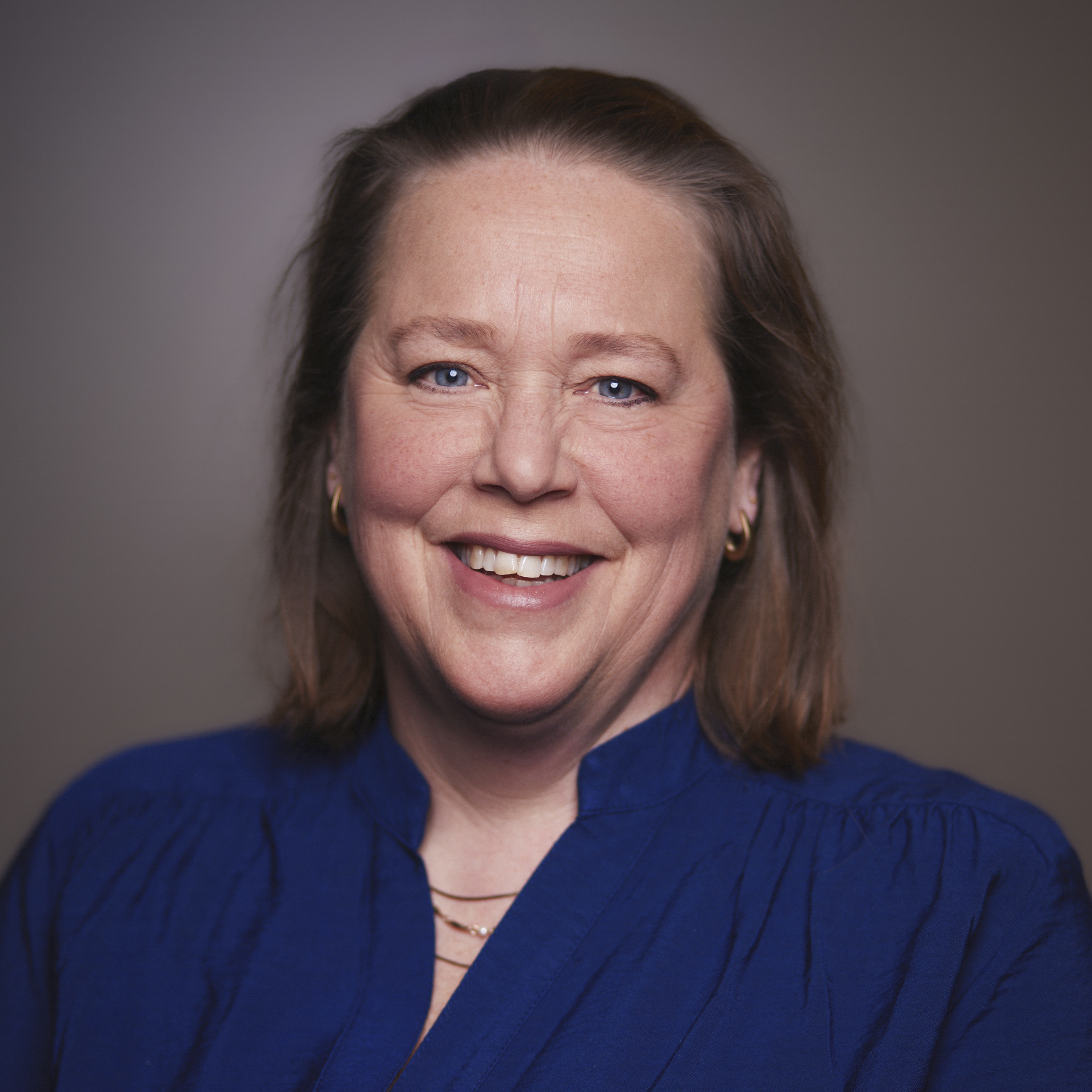
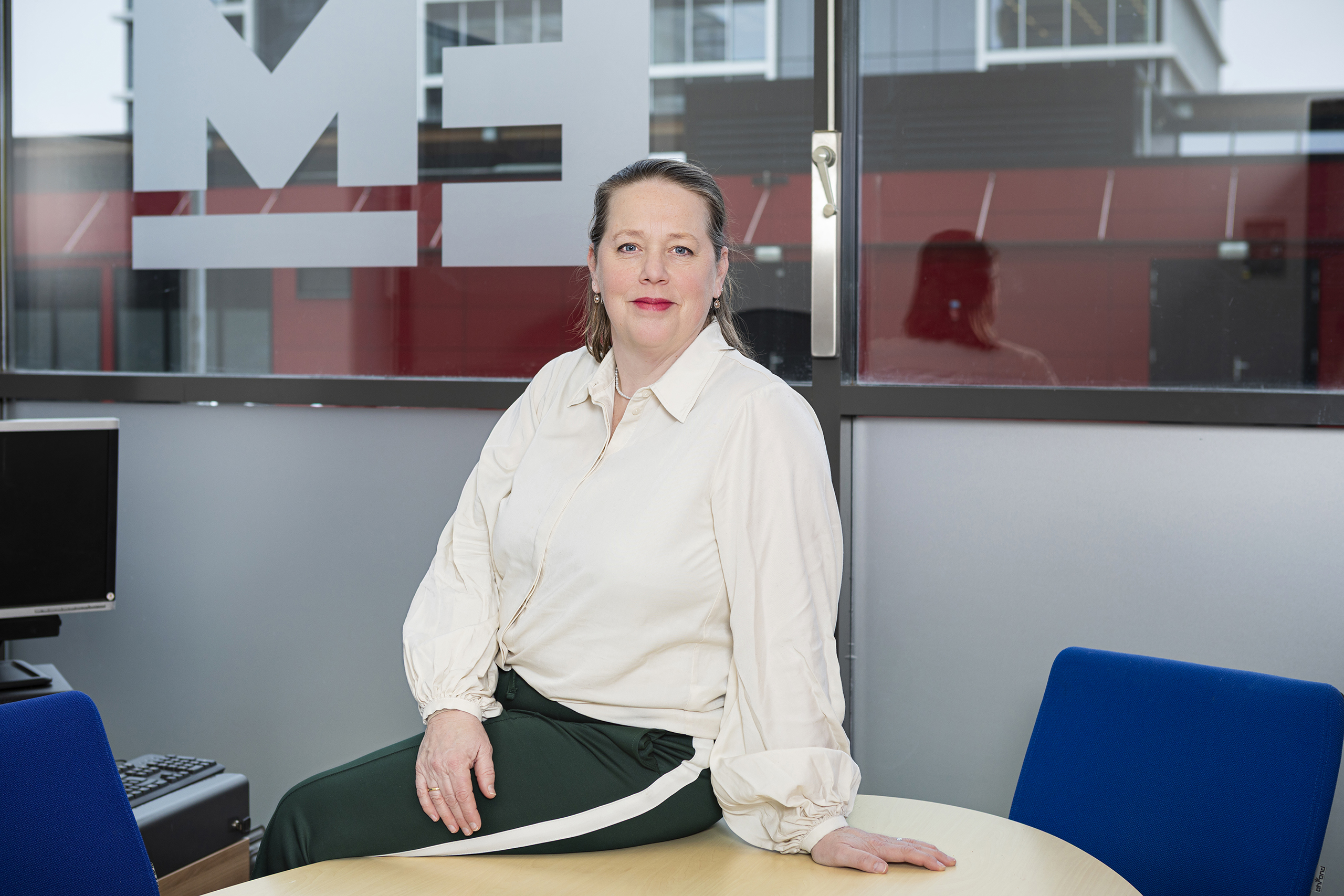
Wieneke Gunneweg is editor-in-chief of EM.
Image by: Aysha Gasanova
Last Tuesday, during the strike against cuts to higher education, our reporters had a hard time getting participants’ names when interviewing them about the how and why of their presence at the protest.
People are willing to share their opinions but often brush off the request to provide their name with a ‘I have no need for that’. This makes the work of a journalist increasingly difficult. Journalistic publications must be as complete and verifiable as possible for the reader. It truly matters who says what about a topic for a reader to understand the value of a statement.
Is someone talking nonsense?
For example: someone at the demonstration explains why he is there and what he thinks about the announced cuts to higher education, arguing that he considers Erasmus University to be a terrible institution. It makes a significant difference whether this person is a researcher at the university, a government representative, or just a passerby from Rotterdam.
Readers have the right to know if someone is speaking from a specific interest, from acquired knowledge, or if they are simply talking nonsense. This implies that you stand for what you say when you participate in an interview – which, in my opinion, is still possible in the Netherlands. Saying that you ‘have no need’ to have your name in the article suggests to me that you do not place much importance on reliable journalism and an open society. This seems to me to present a strange worldview, especially for scientists – who were the majority of the attendees at the demonstration on Tuesday.
Very good reasons
And it can be daunting: appearing with your name and opinion on a public platform online. Especially since the internet has a long memory. So, you must think carefully about what you say and want to express publicly. Yes, you have little to no influence over what the journalist will do exactly with your statements in the article, but there is good reason for this. Consider the consequences if (all) interviewees could determine what the journalist can or cannot record; which politician or executive would ever be confronted with their own contradictory statements?
By the way, there are exceptions in which EM publishes interviewees anonymously, but there must be very good reasons to do so. For example, if someone is evidently at risk by exposing a wrongdoing, or if they share a very personal experience. In such cases, there is no other way to capture an important story without this source. However, even then, the creator of the story always knows with whom they have spoken.
EM has now reluctantly made a significant concession that for so-called street interviews (voxpops), we mainly publish only the first name of the interviewee, because we too often received a negative response beforehand or requests to remove a name afterwards (read here how we handle that). The reporter, however, must still write down the full name, so that an editor can check if the person is who they claim to be.
Open gaze
And believe me, this choice is painful for us as journalists, but we also realise that society (recruiters, companies, everyone) has Google as its best friend when evaluating a job applicant or date.
But back to the people who do want to share their opinion with a journalist but do not wish to do so openly and therefore remain anonymous. Ultimately, it comes down to believing that the journalist in front of you is professional and reliable, there to do their job and, like a scientist, is in search of the truth in the interest of society.
Read more
-
EM is looking for a motto – and you get to come up with it!
Gepubliceerd op:-
Editorial
-
De redactie
-
 Wieneke Gunneweg
Editor-in-chief
Latest news
-
18-year-old student dies after ‘hazing party’ in France
Gepubliceerd op:-
Student life
-
-
After a second compensation payment, that must be it for students who missed out
Gepubliceerd op:-
Money
-
Politics
-
-
Far-right extremists use campuses to normalise their ideas
Gepubliceerd op:-
Politics
-
Comments
Comments are closed.
Ad
Read more in Editorial
-
Liminal times
Gepubliceerd op:-
Editorial
-
-

How EM ended up at an awards festival thanks to talent and teamwork
Gepubliceerd op:-
Editorial
-
-
Clashing freedoms keep journalists and academics sharp
Gepubliceerd op:-
Editorial
-