Ad

Why we let politicians lie
Vicky Maeijer, the secretary of state for Health, must rewrite her final thesis as it has been revealed that she committed plagiarism. Journalists investigated this, and the examination committee of the Erasmus School of Law declared the master thesis invalid. This was possible because scientists must be transparent and indicate where they source their data from.

Image by: Levien Willemse, Pauline Wiersema
Unfortunately, the political arena operates quite differently. Politicians are all too eager to leak information to journalists, provided their names are not mentioned. They then publish stories that people cannot verify, as we cannot see where the media obtained them. Journalists who condemn Maeijer often make the same mistake she does.
Read more
-
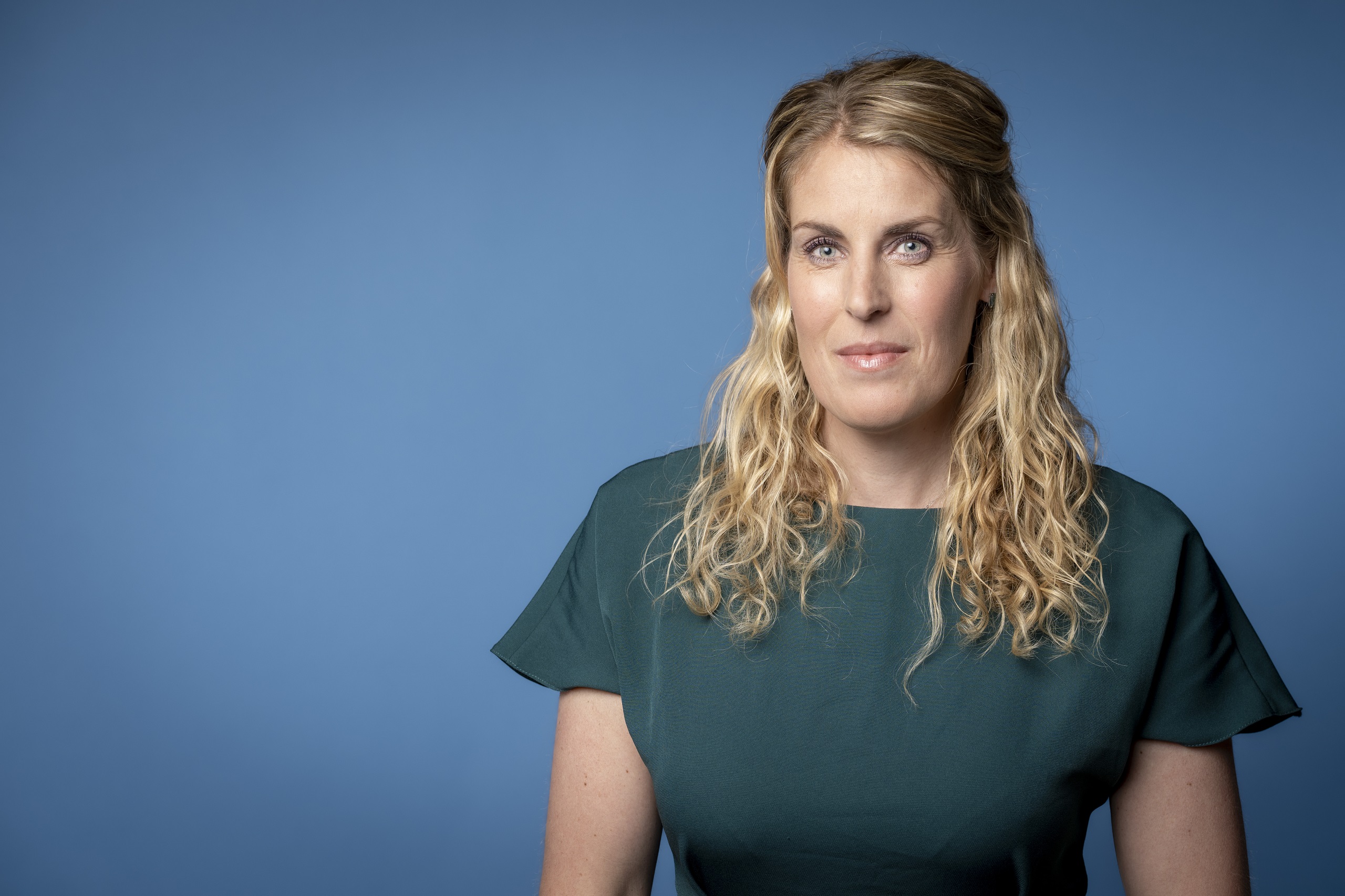
PVV secretary of state Maeijer has to rewrite thesis at ESL after plagiarism
Gepubliceerd op:-
Education
-
From 2003 to 2021, I served as a Member of Parliament, and during that time I witnessed the political landscape change: our parliamentary democracy has increasingly become a media democracy. Debates should take place in Parliament, from which the media ought to report. In reality, the opposite occurs: politicians engage in discussions continuously in (social) media, after which there is at most a brief recap in Parliament.
This is concerning, as it creates a different political logic. In Parliament, various individuals discuss complicated issues and must reach compromises. Media discussions generally revolve around well-known figures and simple choices, without politicians directly debating one another.
‘I frequently read so-called quality media articles based on anonymous sources, or on leaking politicians and their spokespersons’
We live in a country where politicians are well protected and can say almost anything. Politicians also crave media exposure to increase their visibility. So, what is the reason for leaking information to the media anonymously and not wishing for their names to be mentioned? Because they do not want to speak the truth and the information they provide is inaccurate, one-sided, or taken out of context.
Journalists who indulge in such practices are also aware of this. By doing so, they are no longer reporting on politics but have become part of the political game in The Hague themselves. Nevertheless, this happens continually, and leaking in The Hague is only on the rise. This allows lying politicians to get away with their falsehoods.
Imagine I write a scholarly article in which I make various claims based on data that I do not cite and which cannot be verified by fellow researchers. And I demand that this article will be published anonymously, without my name being mentioned. I’m certain that no scientific journal would accept such an article.
Yet I frequently read so-called ‘quality media’ articles based on anonymous sources, or on leaking politicians and their spokespersons. This information cannot be verified by fellow journalists, let alone by news consumers.
It is good that state secretary Maeijer will redo her thesis and learn the importance of proper references. It would be even better if all leaking politicians did the same. And all journalists who compromise themselves for these political lies.
Ronald van Raak is professor of Philosophy in the Netherlands.
Read more
-
Americans never grow up
Gepubliceerd op:-
Column
-
De redactie
-
 Ronald van Raak
Columnist
Latest news
-
TU Delft may not favour women in admissions to courses
Gepubliceerd op:-
Education
-
-

Hate campaigns and political pressure: KNAW wants legal protection for academic freedom
Gepubliceerd op:-
Science
-
-
Signing up for a Dutch course ‘feels like a race’, no more places available for now
Gepubliceerd op:-
Internationalisation
-

Comments
Comments are closed.
Ad
Read more in Column
-
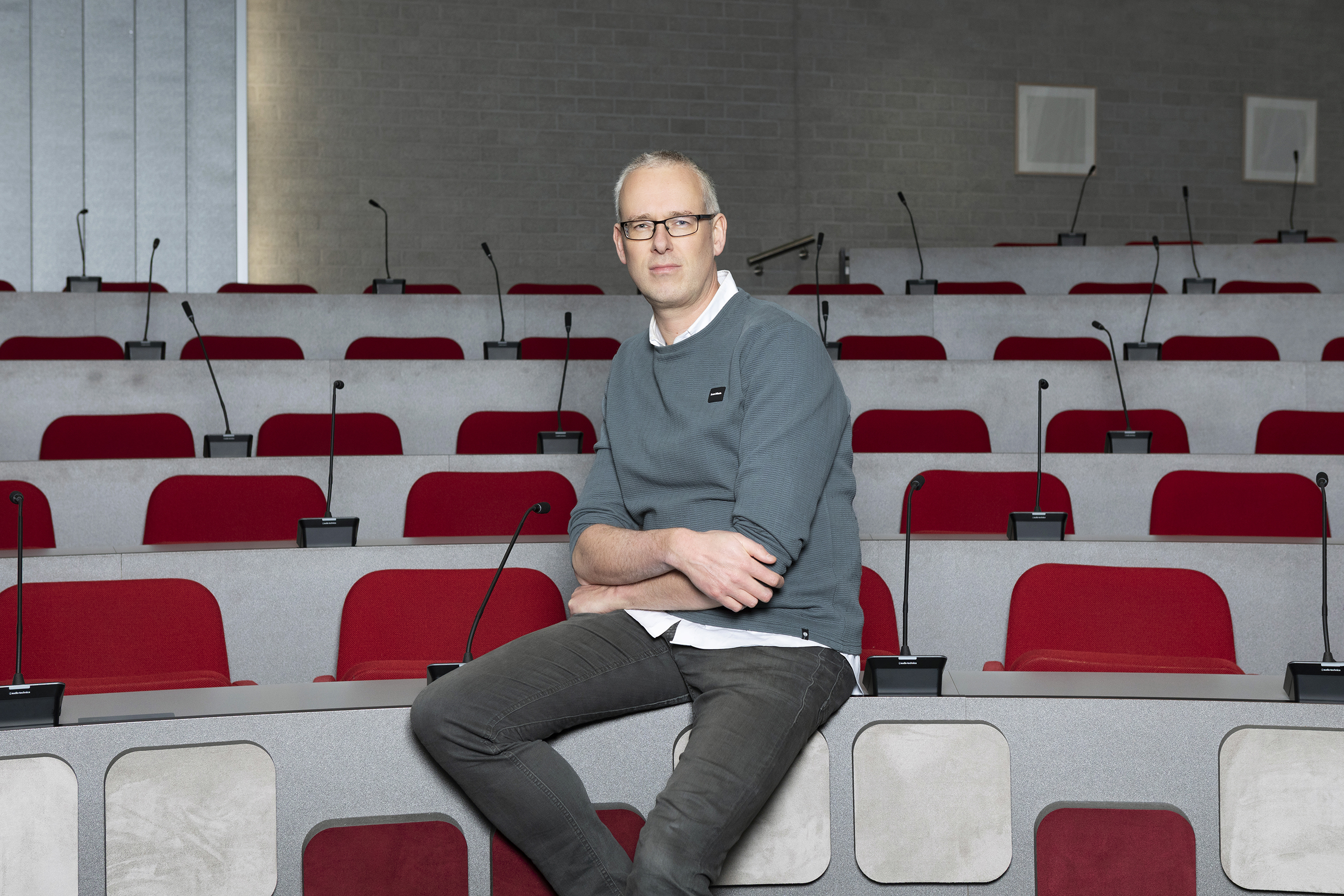
The sad anniversary of powerless staff and students
Gepubliceerd op:-
Column
-
-
Tea, theory and a healthy dose of procrastination
Gepubliceerd op:-
Column
-
-
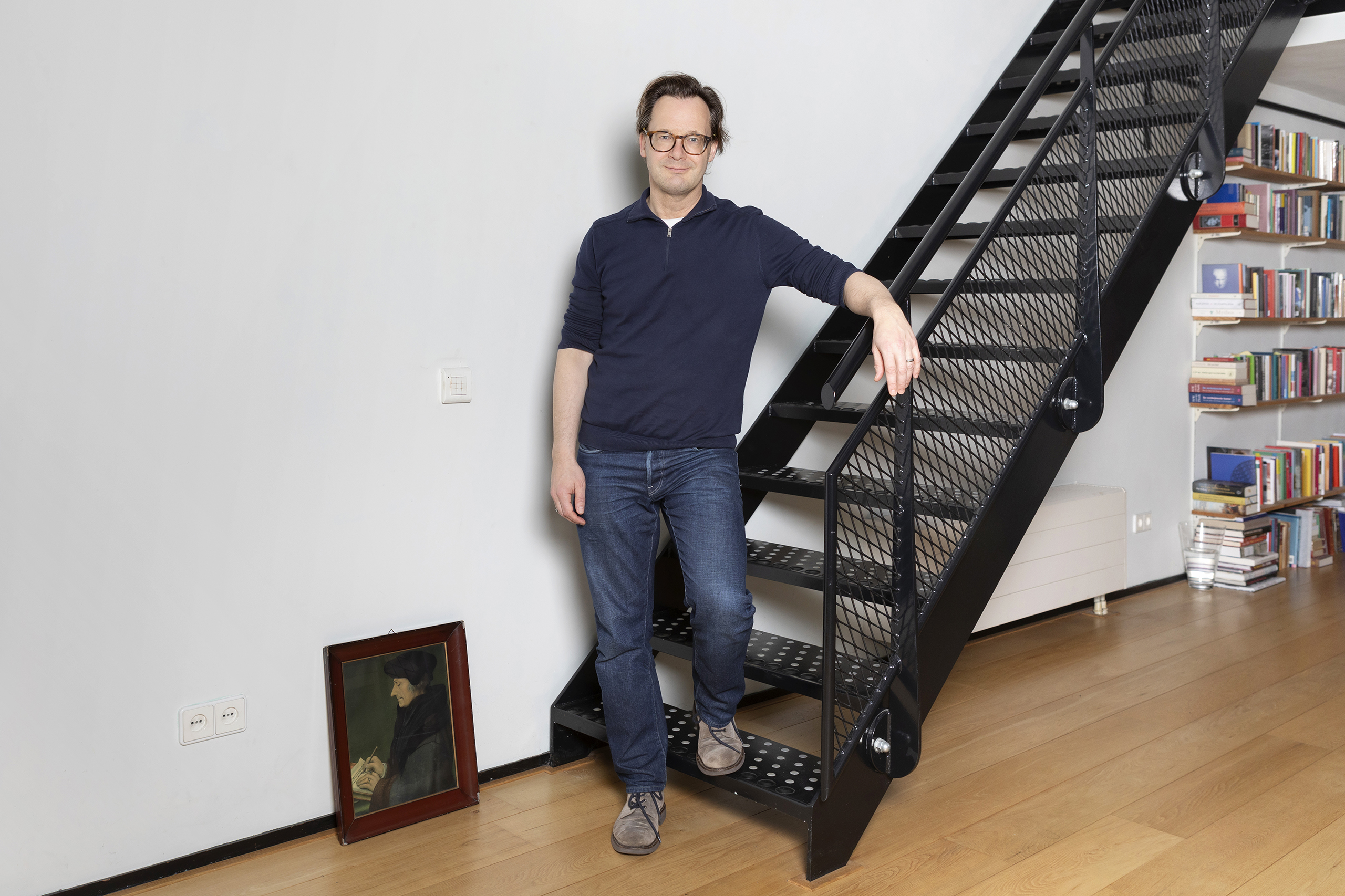
The drama of Jason Arday
Gepubliceerd op:-
Column
-