Ad

If wisdom is to doubt, are academics maybe too wise?
From the outside, we academics seem to have an amazing job. We teach, we research, and we enjoy a high degree of freedom in how we carry out these tasks. The job itself ingrains in us the drive to learn more, not only to advance our fields but also to pass that knowledge on to our students. This continuous pursuit of knowledge benefits us not just professionally but on a deeply personal level as well. However, there is a less glamorous side to this intellectual journey – one that often keeps us on a never-ending highway of self-doubt and insecurity.
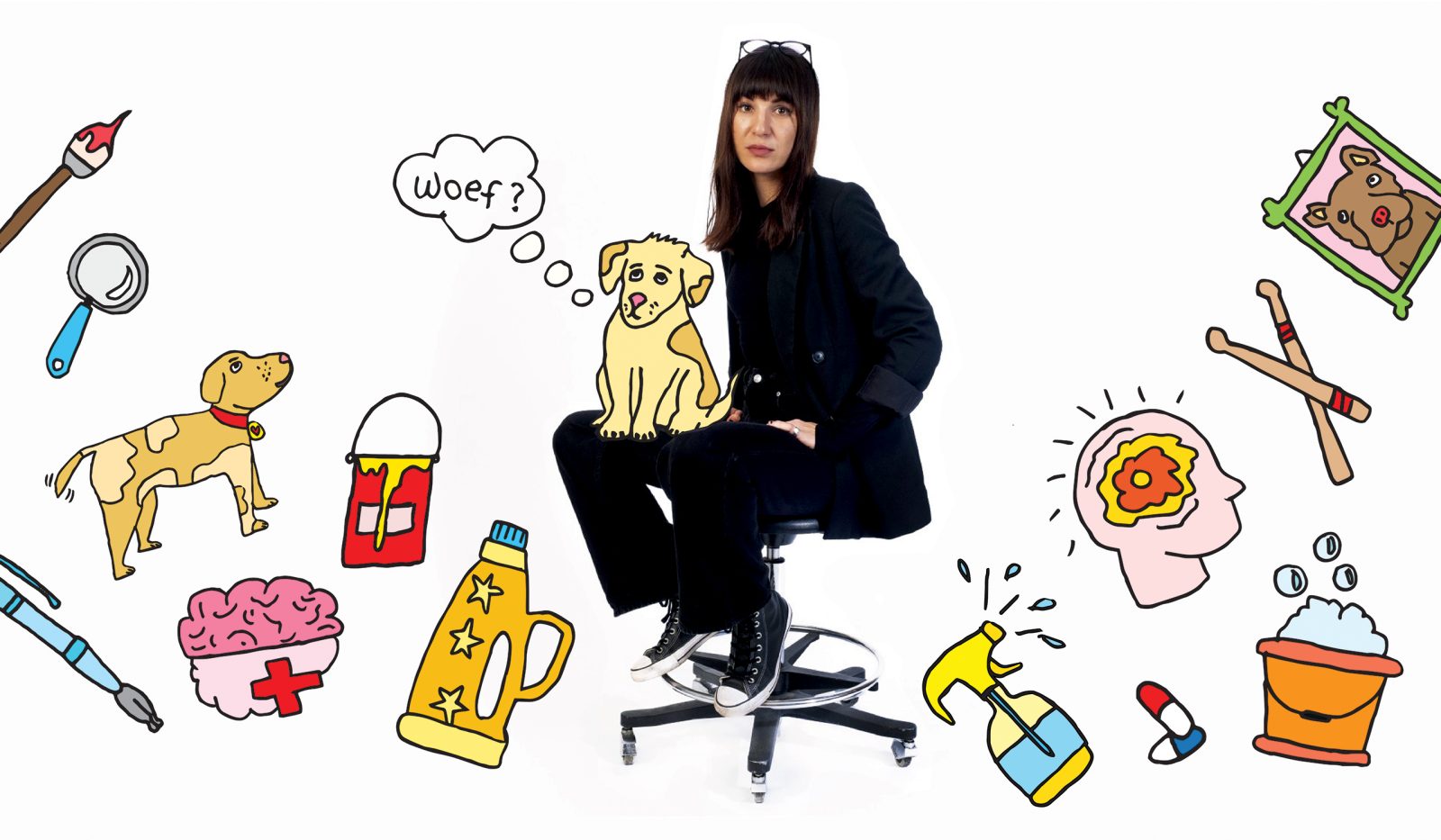
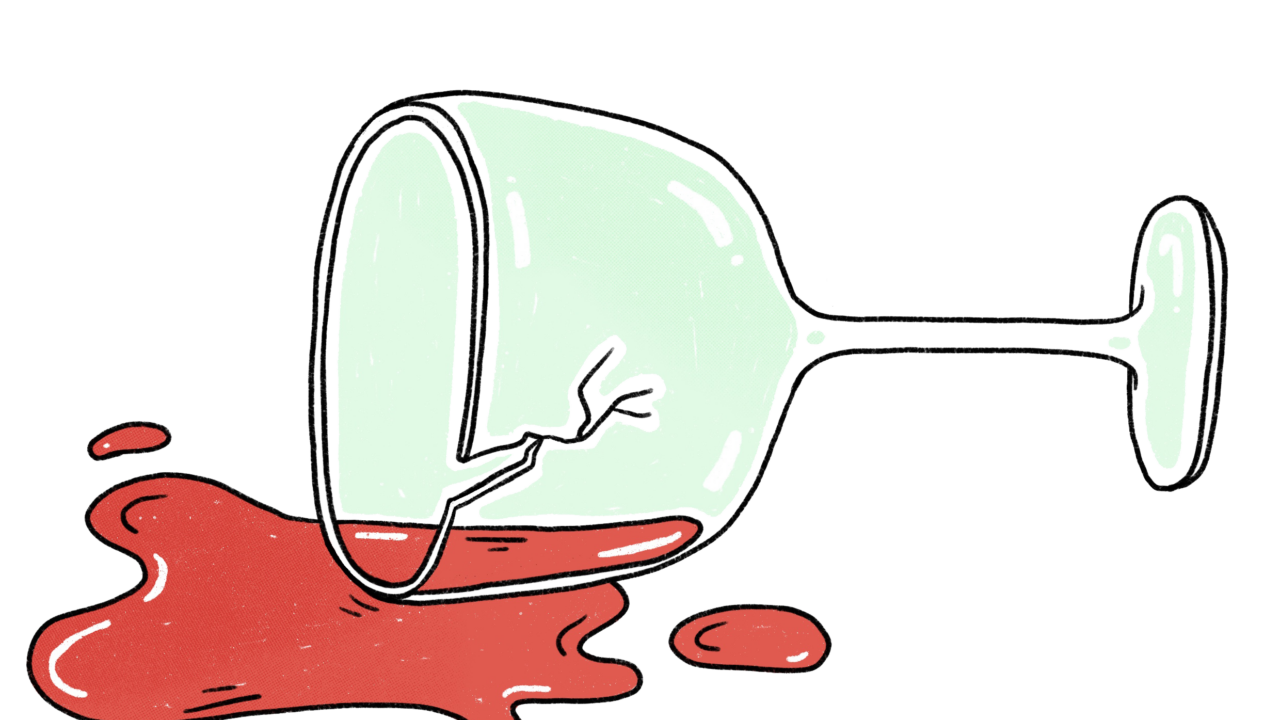
Image by: Levien Willemse, Pauline Wiersema
The relentless influx of new information can be an exhilarating challenge, but also an overwhelming, even discouraging, flood, forcing us to wonder: will we ever know enough? Our students often ask themselves the same, but they at least have the illusion of a finish line: the completion of their degrees. Academics, on the other hand, have no such endpoint, unless we view retirement as our far and increasingly distant goal. So we remain forever caught in a cycle of learning and self-evaluation.
Socrates spoke the truth when he said ‘the more you learn, the less you know’, emphasising self-criticism as a fundamental part of wisdom. This isn’t just an abstract philosophical musing; it’s supported by psychological research. The Dunning-Kruger effect demonstrates that those with limited knowledge tend to overestimate their competence, whereas highly skilled individuals frequently underestimate theirs – a phenomenon known as the imposter syndrome. Together, these concepts encapsulate the academic experience all too well.
While we clearly do not lack wisdom when it comes to doubting ourselves, what we might be lacking is a reminder that we already do plenty, that we already know plenty, and that we have valuable contributions to make. It seems that we are encouraged plenty when it comes to taking a room for improvement mindset, to subjecting our work – and, by extension, ourselves – to rigorous peer review, and to being our own harshest critics.
But what about the encouragement to be confident and to act? This is not just about alleviating the internal pressure that plagues many academics, it is about recognising the broader impact of our knowledge.
Consider world politics, for instance. Instead of relying on leading experts, crucial decisions and policies are frequently shaped by those who are not only uninformed but overconfident in their ignorance. While academics hesitate, doubting whether they are qualified to speak up, far less capable individuals take center stage, showing us the classic Dunning-Kruger in action.
Self-doubt, when balanced, is a gift. It pushes us to be better, to keep questioning, to strive for accuracy. But there comes a point where it ceases to be constructive and instead becomes a barrier. Socrates was right: we will never know everything. But he also said: “Be as you wish to seem.” And I wish for academics to seem as confident individuals who are ready to shape the world, not just observe it.
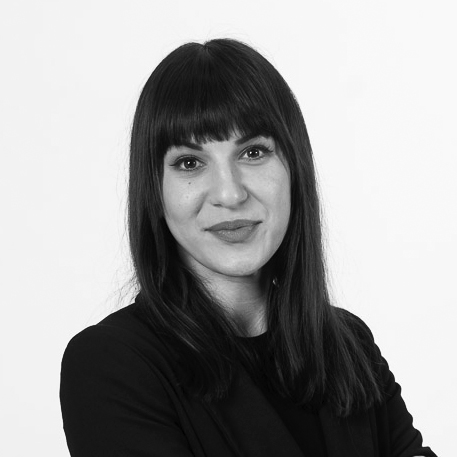
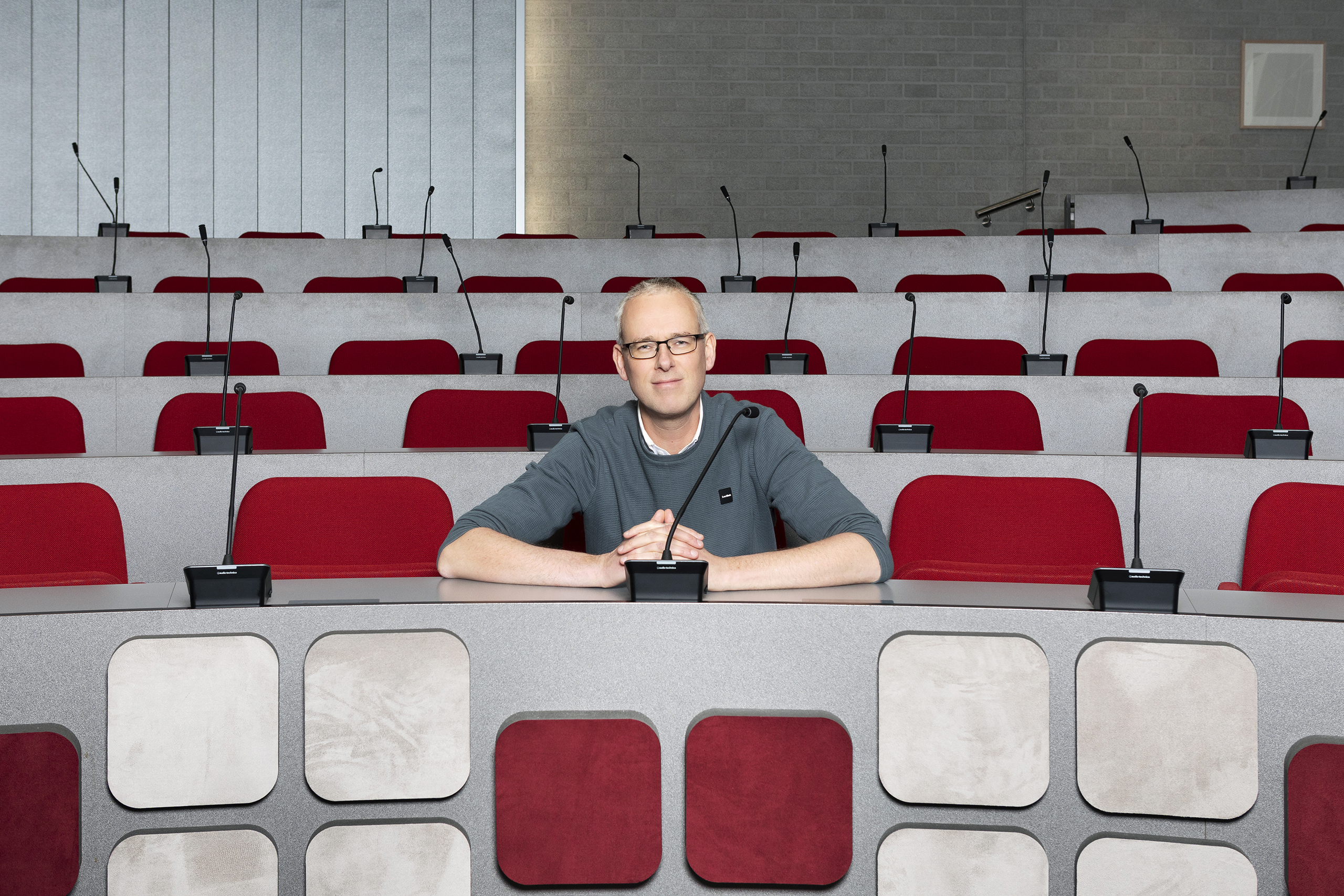
Irena Bošković is assistant professor in Forensic and Legal Psychology.
Read more
-
Those who can, teach
Gepubliceerd op:-
Column
-
De redactie
Latest news
-
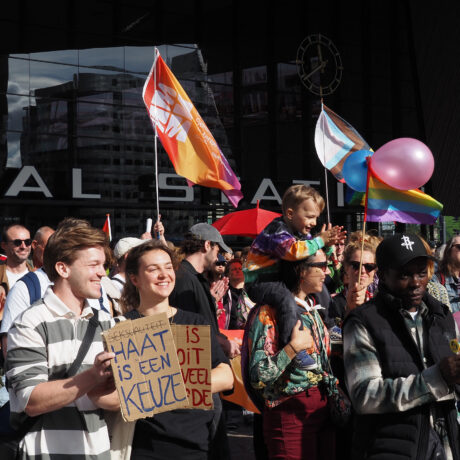
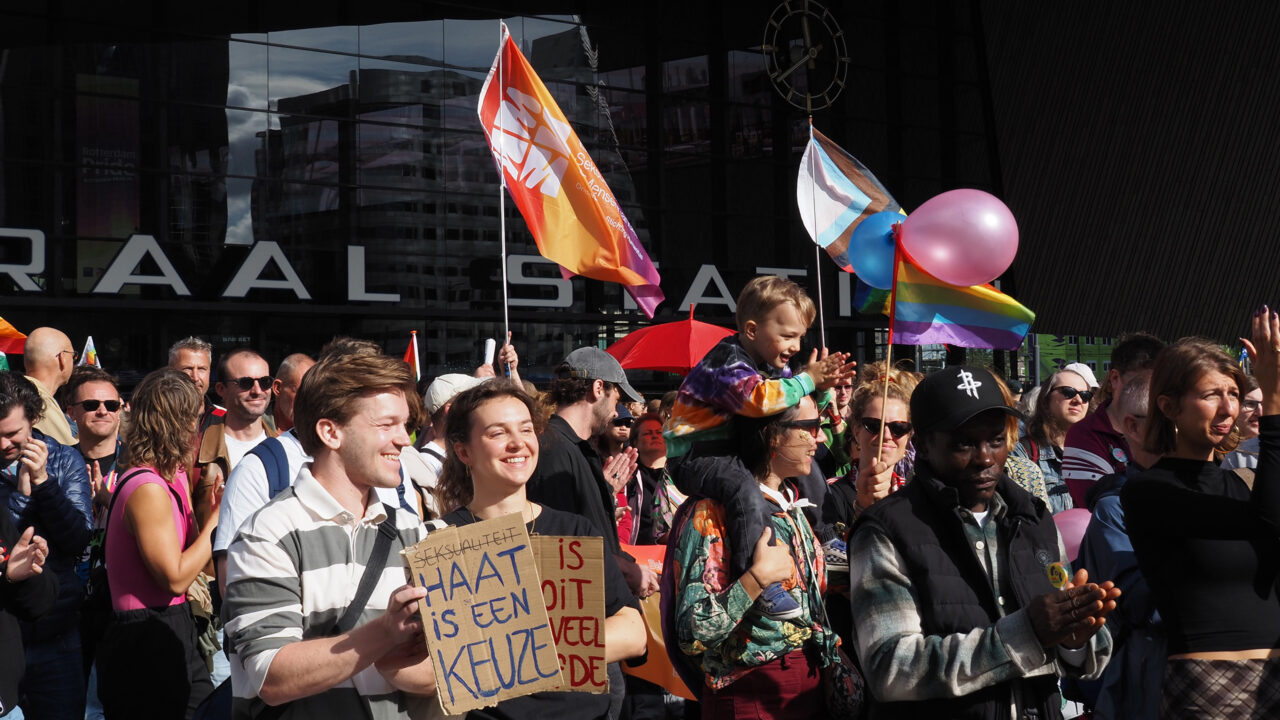
Students and staff join the Pride March: ‘We must stand up for this community’
Gepubliceerd op:-
Diversity
-
-

EM TV newsflash: Too many internationals, too many information platforms and more collaboration with the military
Gepubliceerd op:Article type: Video-
EM TV
-
-
18-year-old student dies after ‘hazing party’ in France
Gepubliceerd op:-
Student life
-
Comments
Comments are closed.
Ad
Read more in Column
-
The president of the Executive Board hopes scientists will draw energy from hot air
Gepubliceerd op:-
Column
-
-

Notes on your phone
Gepubliceerd op:-
Column
-
-

Looking back without anything weighing on you
Gepubliceerd op:-
Column
-