Ad

Why Ivonne Cune-Noten now sees gender relations differently
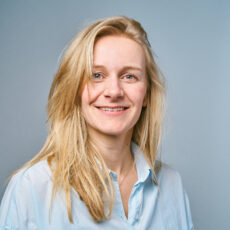
De omwenteling by Suzanna Jansen was the book that changed the way Ivonne Cune-Noten, director of the bachelor’s programme in Law, views life. It was recommended to her by a man, and she picked it up unsuspectingly from her pile of unread books. Since then, she has looked at the position of women in society with sharper eyes. “Everyone should read this book.”
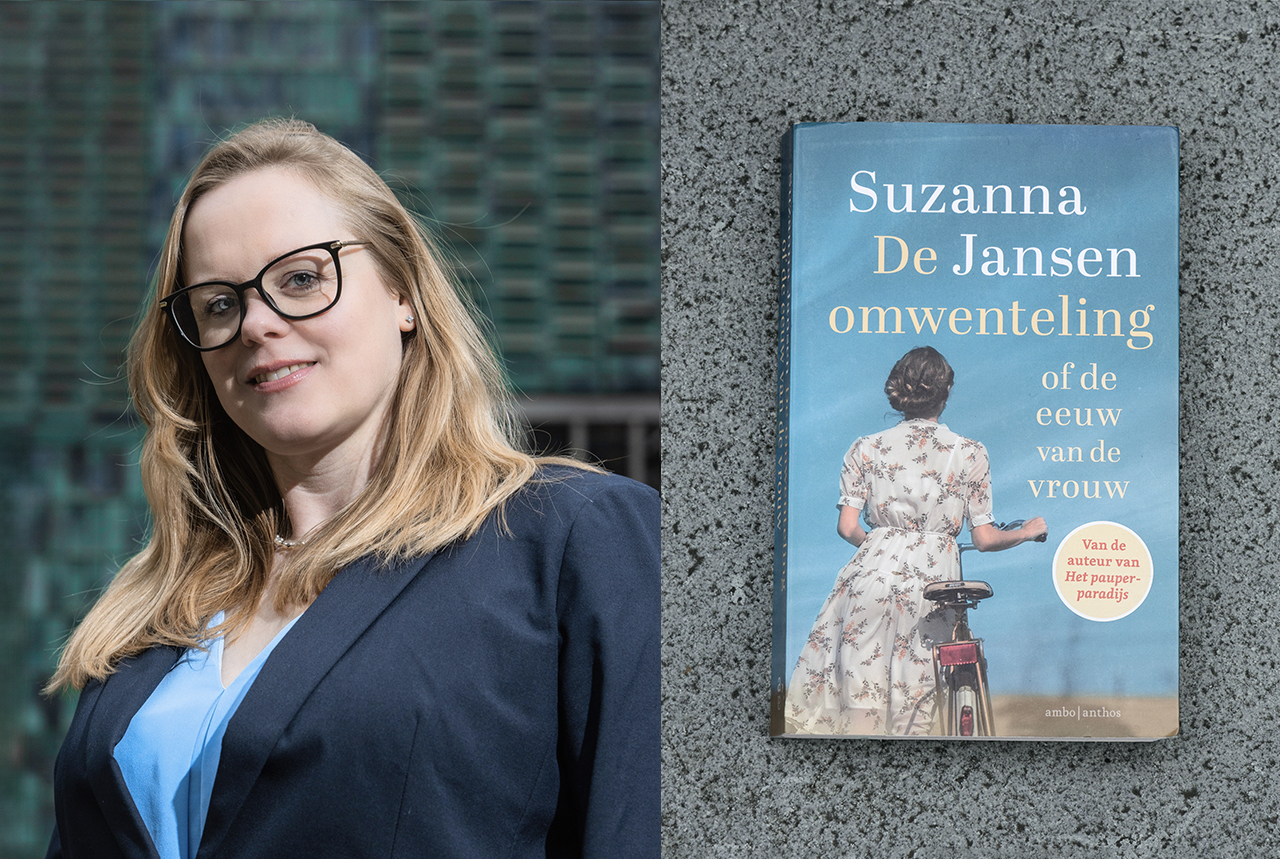
Image by: Leroy Verbeet
Ask Ivonne Cune-Noten which book has made the biggest impression on her in nearly forty years of life, and she doesn’t need even half a second to think. Ever since she read De omwenteling (The Upheaval) by Suzanna Jansen two years ago, she has seen society differently. Cune-Noten: “I have gained a deep respect for the struggles women have fought throughout history.”
The book explores the position of women in the Netherlands over the past century, from 1922 to 2022. From the perspectives of her mother, her older sister, and herself, Suzanna Jansen describes how women were expected to be devoted to their families and household duties. The title, De omwenteling, refers to the major shift in women’s emancipation. But these changes didn’t happen automatically – women had to fight for them. And for that fight, Cune-Noten is grateful. “I owe my professional position to that struggle. In the past, women were confined to the home and childcare. Now, I can simply work as the director of the bachelor’s programme in Law and, until recently, as chair of the University Council.”
Eyes wide open
Cune-Noten was aware that gender relations were different in the past – that women gained the right to vote later than men and that they were traditionally responsible for the household. But the way Suzanna Jansen captured this history ‘opened her eyes’.
It helped her better understand the dynamics she sees in her grandparents, parents, and in-laws. Where she once found it ‘odd’ that one of the women in her family received housekeeping money from her husband, she now understands why. “In the past, the man worked, and the woman was the director of the household. She was given money for that.”
When Cune-Noten read the book two years ago, she kept it in her bag to read a few pages during lunch breaks. It affected her so deeply that she now wishes every woman – ‘and actually every man too’ – would read it, ‘to safeguard what we have and to appreciate the women who came before us’.
Reading habits
Books per year: 1 or 2 per month. “I love reading, really love it. But don’t call me a bookworm – that would be too much credit.”
Favourite genre: Social issues mixed with thrillers
Last book read: The Anxious Generation by Jonathan Haidt and De geschiedenis van het liberalisme by Dirk Verhofstadt [The history of liberalism].
Main motivation: Curiosity
Your vote, my victory
Two themes from the book stayed with her the most: women’s struggle with their role as housewives and the reason why women’s suffrage was introduced.
The book suggests that political parties, eager to gain or retain power in the early 20th century, believed women would vote for them. Winning elections seemed to be a greater priority than the conviction that women deserved the right to vote.
Cune-Noten found this ‘shocking’ but is cautious about drawing conclusions. “Before I go around claiming that this is the definitive reason why women got the right to vote, I want to investigate it for myself. And I haven’t done that”, she emphasises. But she has read Suzanna Jansen’s book, and this is the impression she took away from it.
Change can be more ambitious
A shift in women’s emancipation doesn’t automatically mean victory. “True gender equality still doesn’t exist”, Cune-Noten says, “but the situation today is incomparable to a hundred years ago.” She herself never considered stopping work, for example. Her mother was one of the first women in Luyksgestel to continue working part-time after having children. “About forty years ago, women in my hometown were asked: ‘Why don’t you stop working?’ Now, women who choose to stop are asked: ‘Why are you quitting?’ The norm has changed, progress has been made, but we can always aim higher. Everyone should decide for themselves where their ambitions lie.”
Since reading De omwenteling, Cune-Noten has become more aware of gender relations and how they play a role in many aspects of life. In the bachelor’s programme in Law, which she leads, most of the lecture halls are filled with women. Meanwhile, in the municipal politics of Eersel, where she is active within the VVD, the entire municipal executive – including the aldermen and the mayor – is male. In passing, Cune-Noten mentions that the VVD’s two seats – ‘Eersel is a small municipality’ – are held by women.
Since reading Suzanna Jansen’s book, she sees society differently. “I never used to question whether something was for men or women. Now, I am aware of the differences. It doesn’t make me an activist, but I carry this awareness with me from now on.”
Ivonne Cune-Noten is the programme director of the bachelor’s in Law at Erasmus University. Until December 2024, she was chair of the University Council. She is also the VVD faction leader in Eersel. She studied Law and specialised in private law.
Read more
-
Culture is measurably valuable, says Marc Verboord
Gepubliceerd op:-
Page-turners
-
De redactie
-
 Maartje Braam
Editor
Latest news
-
New code of conduct for science emphasises ‘distinctiveness and autonomy’
Gepubliceerd op:-
Science
-
-
Executive Board regularly uses AI for speeches and LinkedIn posts
Gepubliceerd op:-
Artificial Intelligence
-
Governance
-
-
TU Delft may not favour women in admissions to courses
Gepubliceerd op:-
Education
-
Comments
Comments are closed.
Ad
Read more in Page-turners
-
Kindred spirits are closer than you think, Lara Fizaine knows
Gepubliceerd op:-
Page-turners
-
-
Once you have found what suits you, things fall into place, says Lenya Slierendrecht
Gepubliceerd op:-
Page-turners
-
-
Feeling and thinking must go together, Paul van Geest knows
Gepubliceerd op:-
Page-turners
-