Knowledge safety: A maximum of ten thousand screenings per year, minister estimates

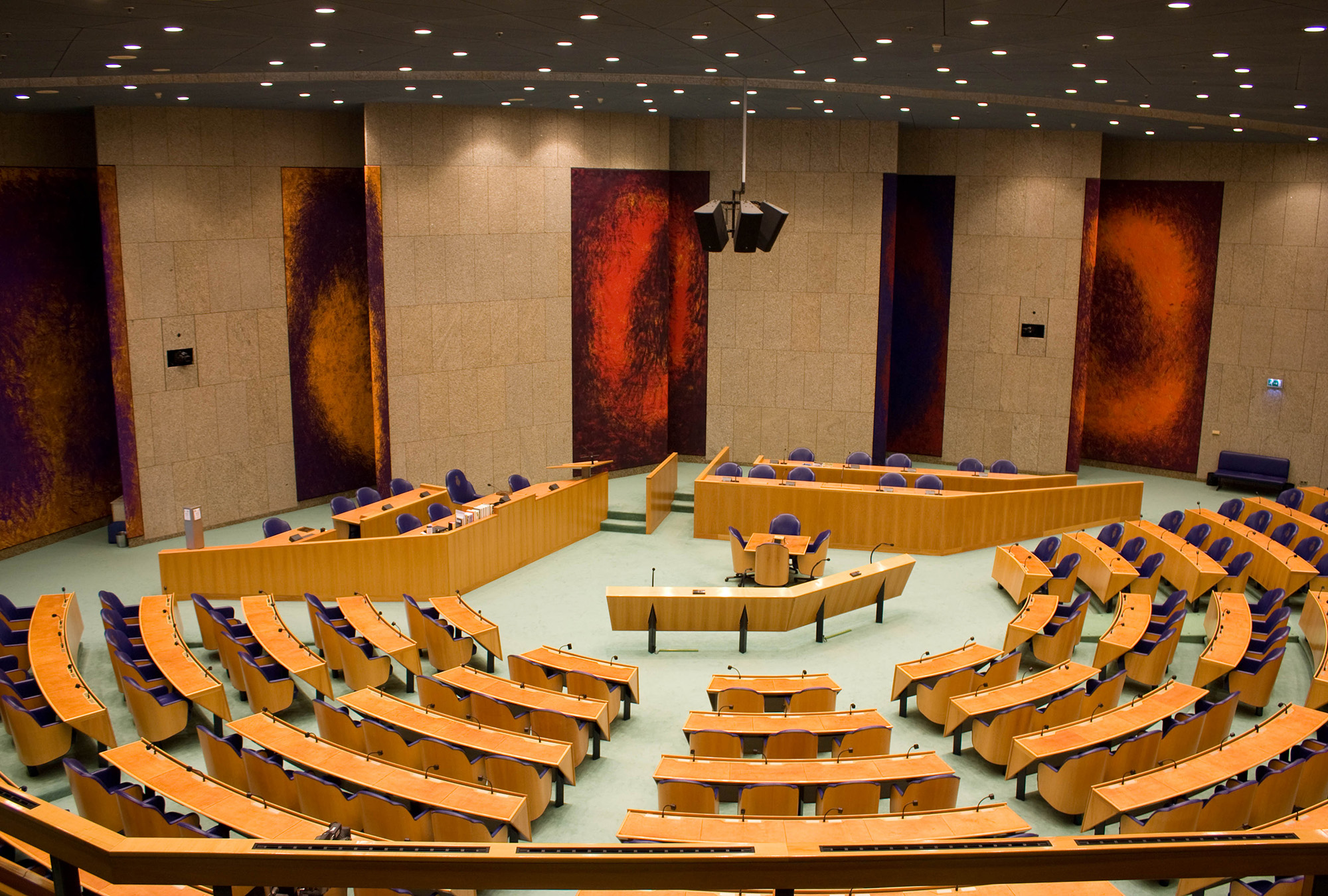
Universities are faced with an additional task: annually registering thousands of incoming students and employees for a security check. Will this be achievable? This is a concern for universities and members of the House of Representatives.

The government aims to better protect sensitive knowledge at universities. This means that students and staff in certain fields of study will need to undergo vetting. If they might steal information, they need to be excluded.
The security check will be carried out by Justis, a service of the Ministry of Justice and Security. However, higher education will also need to contribute, said Minister of Education Eppo Bruins during a debate with the House of Representatives on Thursday.
This will particularly effect technical universities. Bruins stated: “I imagine that TU Delft has more sensitive technology than the Meertens Institute”, he remarked. The Meertens Institute conducts research into language and culture.
‘Maximum ten thousand’
The number of people to be screened is increasing. Initially, it was ‘a few thousand’, but the minister now estimates that ‘a maximum of ten thousand’ researchers and students will need to go through the process each year.
This concerns new employees or prospective master’s students who need access to sensitive knowledge, particularly of military interest, for their work or studies at a university. What is deemed ‘sensitive’ still needs to be defined by the minister.
Extra work
Universities must keep the list of ‘sensitive knowledge’ up to date themselves. They must also ensure that the right applicants and prospective students go through Justis’s screening.
This will require additional effort from the technical universities, Bruins warned. The House asked him if universities would receive extra funding for this. However, the answer was no: “I do not have additional funds,” Bruins replied. “That is indeed sad to say.”
Lees meer
-
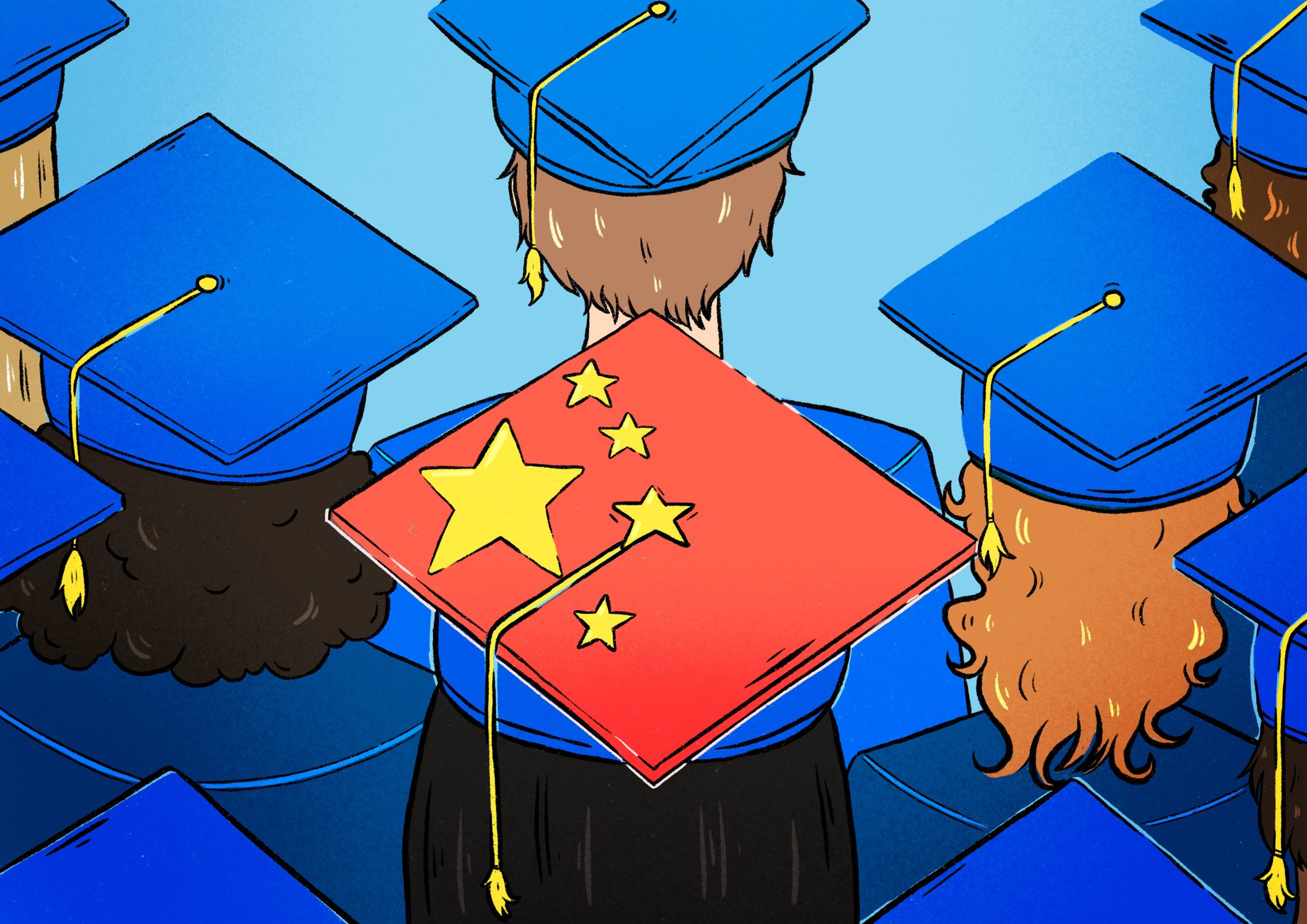
Eindhoven and Maastricht suspend PhD programmes for Chinese students
Gepubliceerd op:-
Science
-
Russians and Chinese
The increased number of screenings required is due to advice from the government legal advisor. He recommends that the minister does not distinguish between Europeans and non-Europeans. Bruins takes this advice seriously. Thus, even Dutch individuals wanting to study sensitive technologies will need to undergo screening.
Coalition party PVV raised a few more concerns on Thursday: will the anti-discrimination law prevent us from keeping Chinese students out of sensitive studies? However, the government can make distinctions, for instance, based on the ‘threat assessment’ from security services. “Russia and Iran are on that list, but so is China,” said Bruins. Justis will need to be particularly vigilant with students or PhD candidates from these countries.
International students
Can universities handle this task? Various political parties asked about the feasibility of the plans. The minister attempted to address their concerns: the cabinet aims to reduce the number of international students. This would reduce the number of screenings, Bruins explained. “I’m not trying to be funny, but for some levity in the debate, I thought: it is indeed true!”
However, this remains to be seen: the legislation with which Bruins aims to limit the influx of international students only pertains to bachelor’s students, while the upcoming screening law affects only master’s students (as well as employees).
‘It is ridiculous that the government does not provide funding for this’
No money
Universities are also concerned about the feasibility and costs of the screenings. “It is absurd that the cabinet is not providing any funding for this,” said a spokesperson for the university association.
Will institutions end up processing huge volumes of applications, causing recruitment procedures to take longer? UNL fears that applicants will increasingly opt for countries without screening. However, according to Bruins, other EU countries are also actively working on security measures.
The draft legislation is expected to be completed within a few months. Previously, the ministry anticipated that the law would take effect in 2028, but Bruins now hopes that Justis will commence the first security checks by “mid-2027.”
Lees meer
-
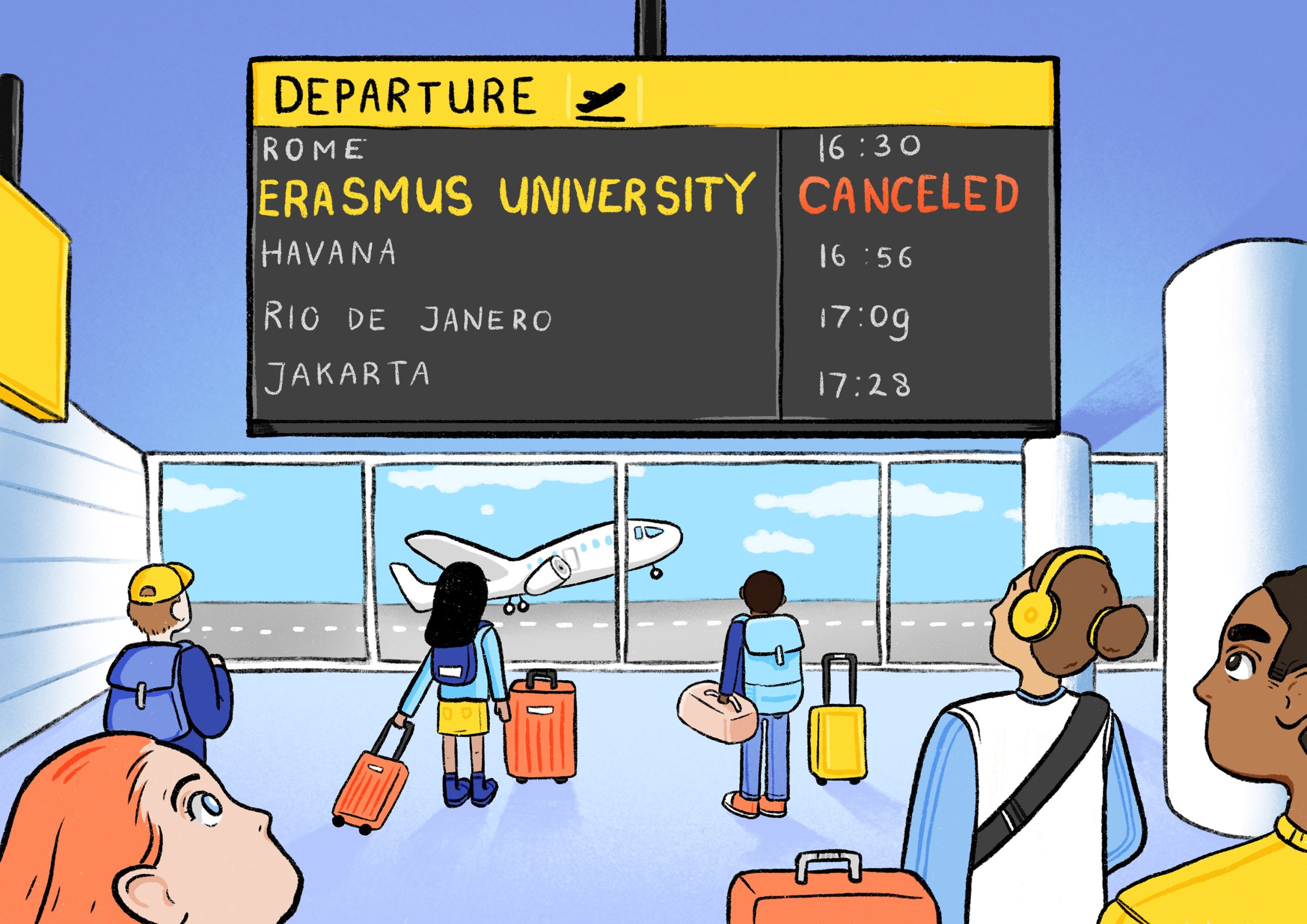
New law for intake of international students: ‘Necessary, but the tone is worrisome’
Gepubliceerd op:-
Internationalisation
-
De redactie
Latest news
-

Letschert gives nothing away in first parliamentary debate
Gepubliceerd op:-
Education
-
Politics
-
-
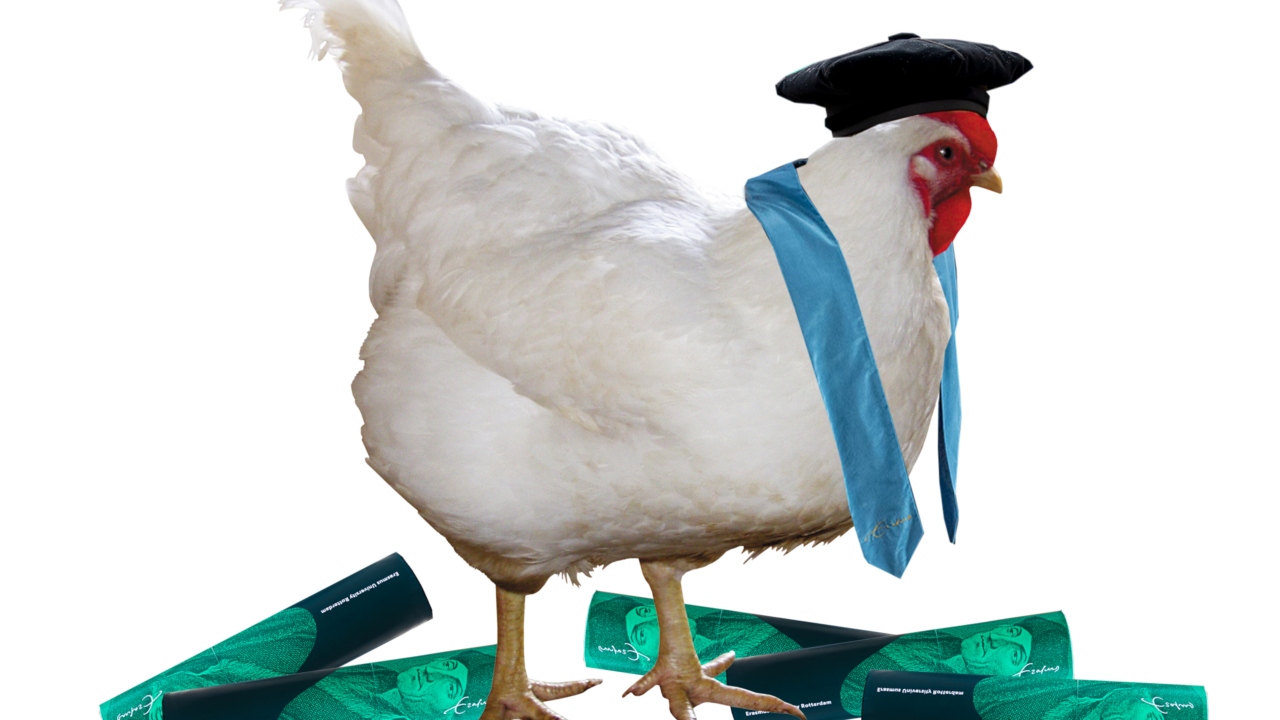
Away with the ‘profkip’, says The Young Academy
Gepubliceerd op:-
Science
-
-

House of Representatives wants basic grant for university master after HBO
Gepubliceerd op:-
Money
-
Politics
-

Comments
Comments are closed.
Read more in Politics
-
Letschert gives nothing away in first parliamentary debate
Gepubliceerd op:-
Education
-
Politics
-
-
House of Representatives wants basic grant for university master after HBO
Gepubliceerd op:-
Money
-
Politics
-