EUR celebrates its anniversary with festivities, but not without concerns
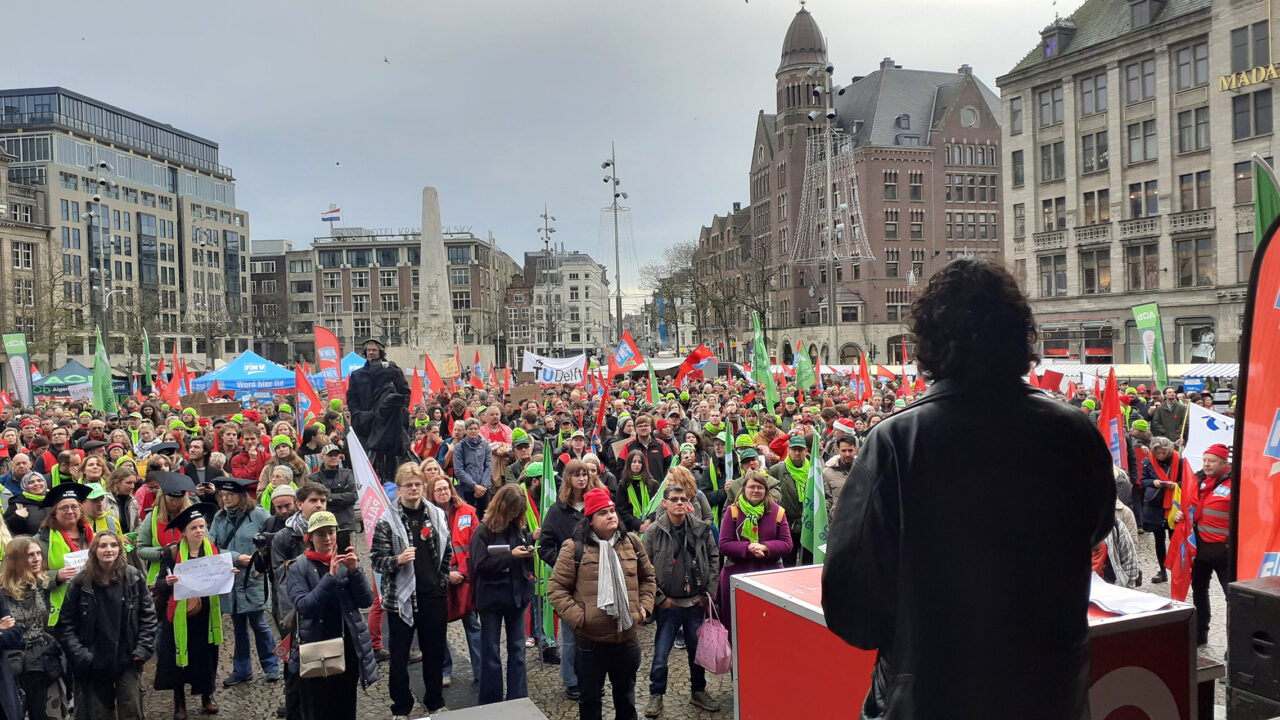
During the Dies Natalis (the university’s anniversary), the planned budget cuts in higher education were never far from everyone’s mind.
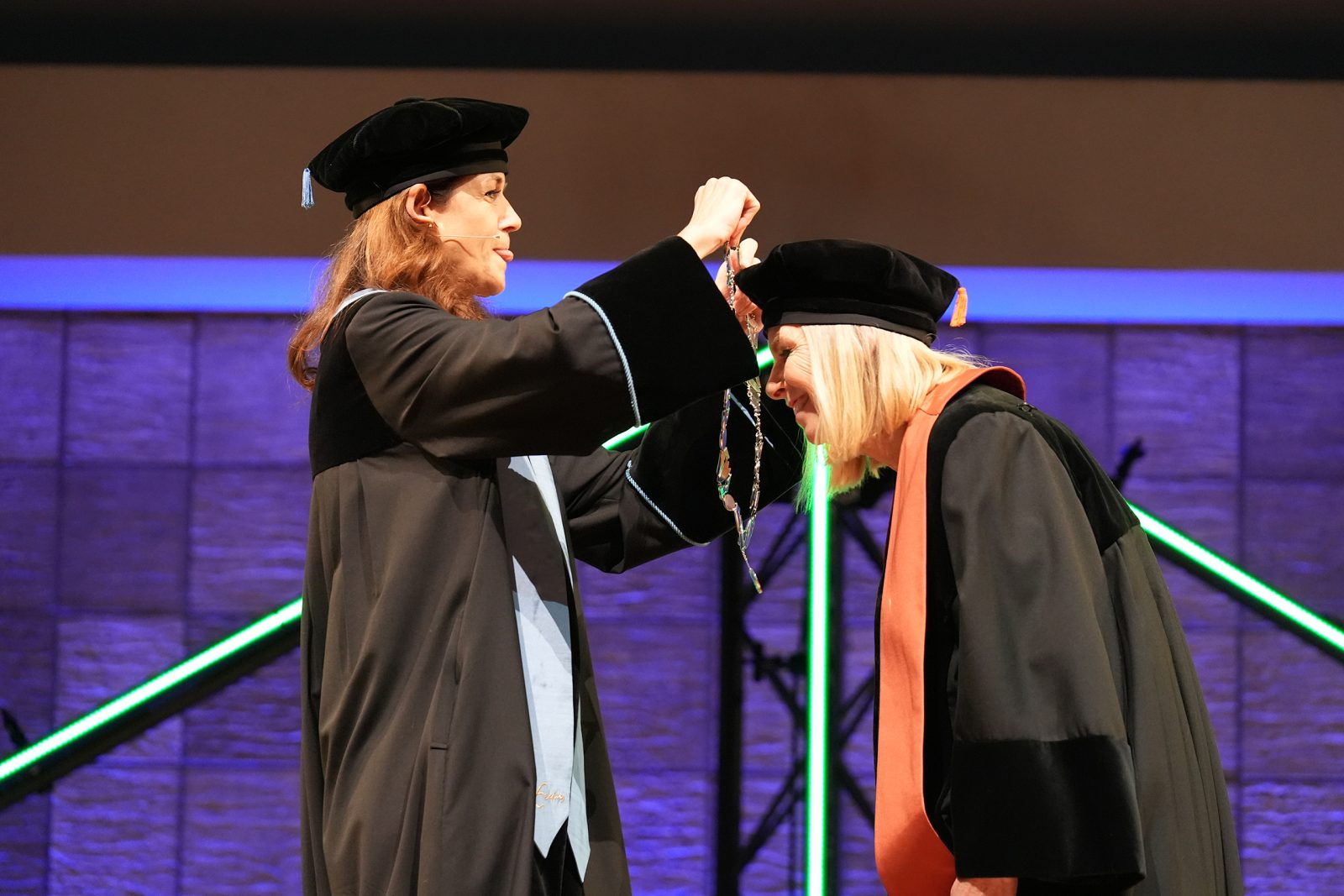
Image by: Arie Kers
As a silent protest against these cuts, a handful of scientists wore small red felt squares. The speakers at the event also frequently referenced the cuts and the upcoming protest on Thursday in Utrecht.
Nevertheless, the traditional elements of the university’s annual birthday celebration – marking its 111th anniversary last Friday – were not forgotten. This included the awarding of honorary doctorates to two prominent scientists whose work has been of great significance both for science and for society.
Inclusive philosophy
Both honorary doctorate recipients are deeply engaged with society. Alison Wylie, professor of Philosophy at the University of British Columbia in Canada, is involved in engaging Indigenous communities in research, including archaeological projects. Recently, this included a search in Canada for the remains of Indigenous children who died at residential schools. Her honorary supervisor, Conrad Heilmann, praised Wylie for making philosophical research more diverse and inclusive through this collaborative approach. In her acceptance speech, Wylie explained why this is important: “You come up with questions you couldn’t ask on your own, and with answers you wouldn’t know yourself.”
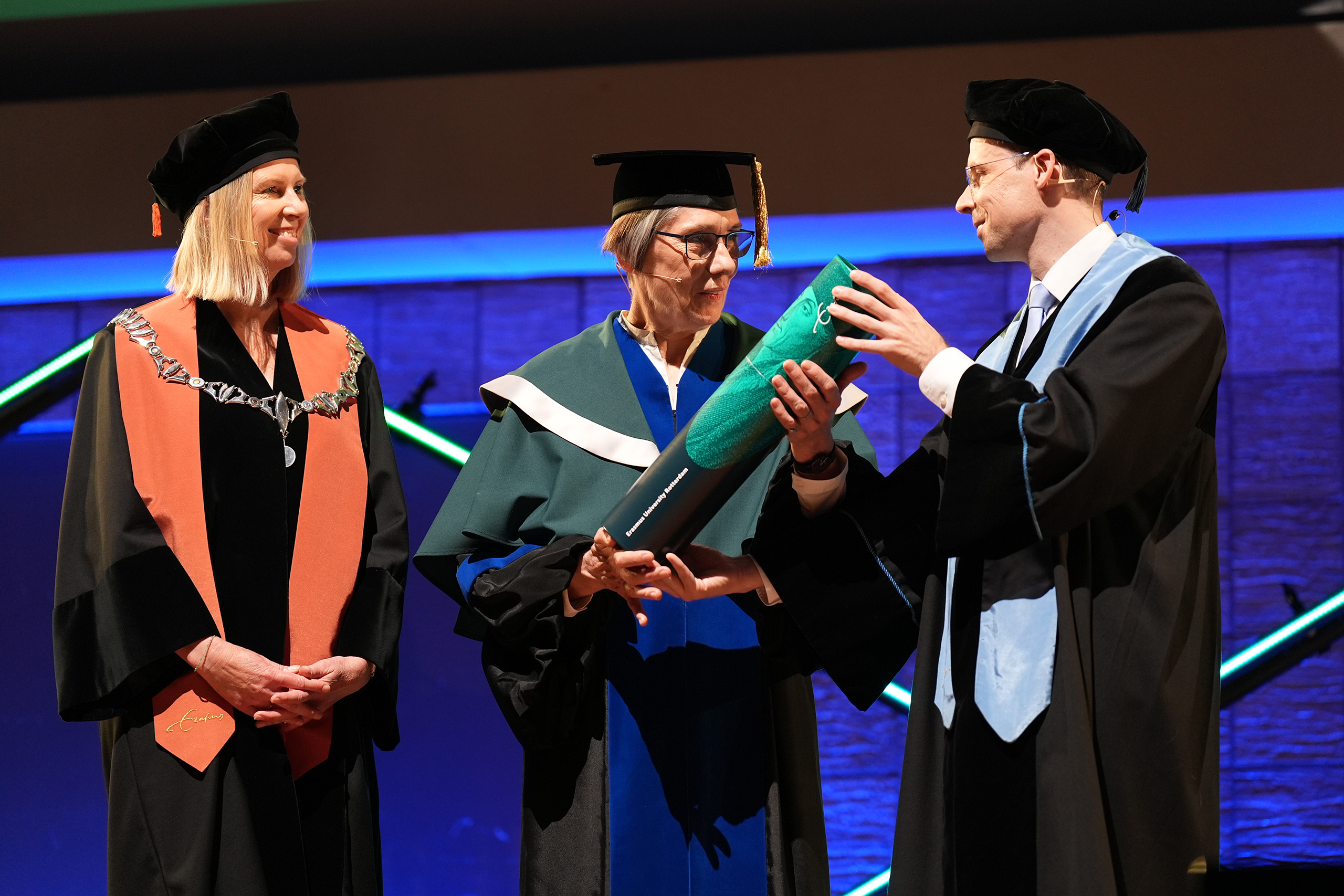
Image by: Arie Kers
‘Making democratic minds matter’
The other honorary doctorate was awarded to Koen Lenaerts, who, in addition to being a professor at KU Leuven, serves as the President of the European Court of Justice. After receiving his honorary degree, Lenaerts delivered a passionate speech advocating for European democracy, urging us ‘not to be misled by the haunting melody of populism’. He argued that education on democracy and European values should be a mandatory part of the curriculum across Europe, thereby adapting the university’s motto from ‘making minds matter’ to ‘making democratic minds matter’.
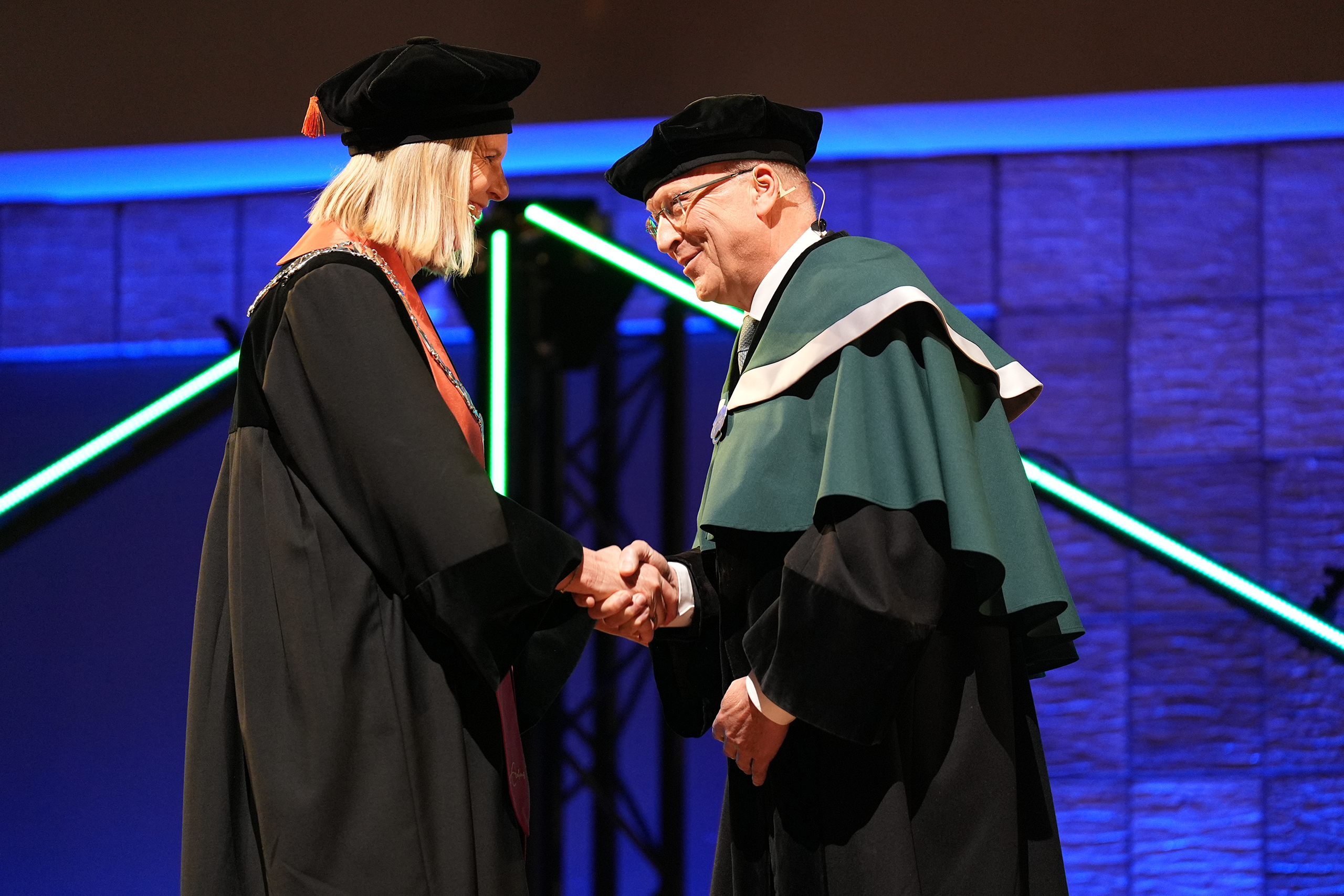
Image by: Arie Kers
New rector
The conclusion of the Dies Natalis ceremony was led by the new rector magnificus, Jantine Schuit, who at the start of the celebration received the chain of office from Annelien Bredenoord, the former rector and now Chair of the Executive Board.
In her inaugural Dies Natalis speech, Schuit made a case for better communication and listening. “Are we in enough contact with society, or do we need to step out of our ivory tower, out of our bubble? We need to listen more – to each other, to society, and within the academic community. We need to be curious and ask questions. This is also crucial for a healthy working environment at the university.”
Furthermore, she announced that she would spend her first hundred days as rector engaging in conversations with one hundred people within the university. “In this way, I hope to gain a clear understanding of what’s happening at our university – from young to old, students and staff – I want to hear your opinions on how we can improve things.”
Lees meer
-
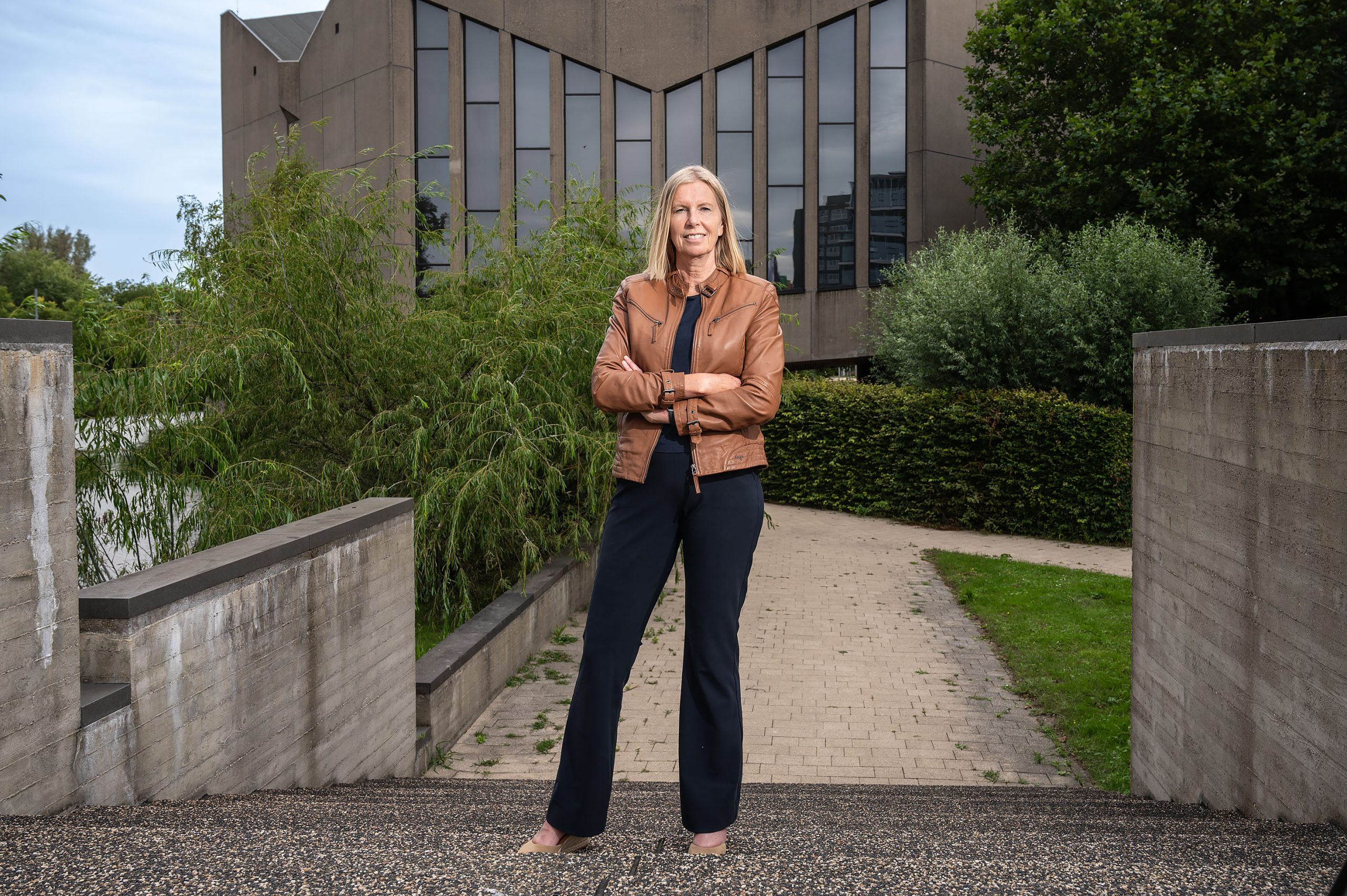
New rector: ‘At a time of budget cuts, it’s important that board and deans stick together’
Gepubliceerd op:-
Governance
-
De redactie
-
 Wieneke Gunneweg
Editor-in-chief
Latest news
-
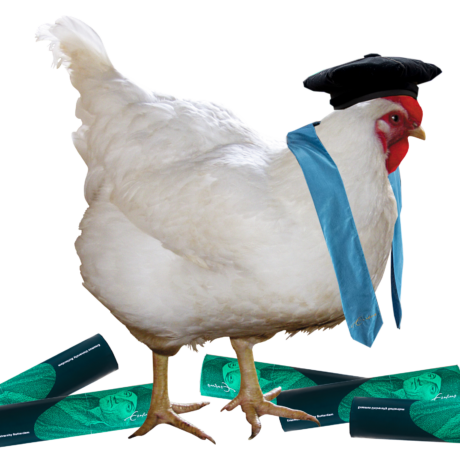
Away with the ‘profkip’, says The Young Academy
Gepubliceerd op:-
Science
-
-

House of Representatives wants basic grant for university master after HBO
Gepubliceerd op:-
Money
-
Politics
-
-

Company takes a huge chunk of the student finance of at least 350 internationals
Gepubliceerd op:-
Internationalisation
-

Comments
Comments are closed.
Read more in Governance
-

Executive Board supports institutes ISS and IHS’s wish to merge
Gepubliceerd op:-
Governance
-
-
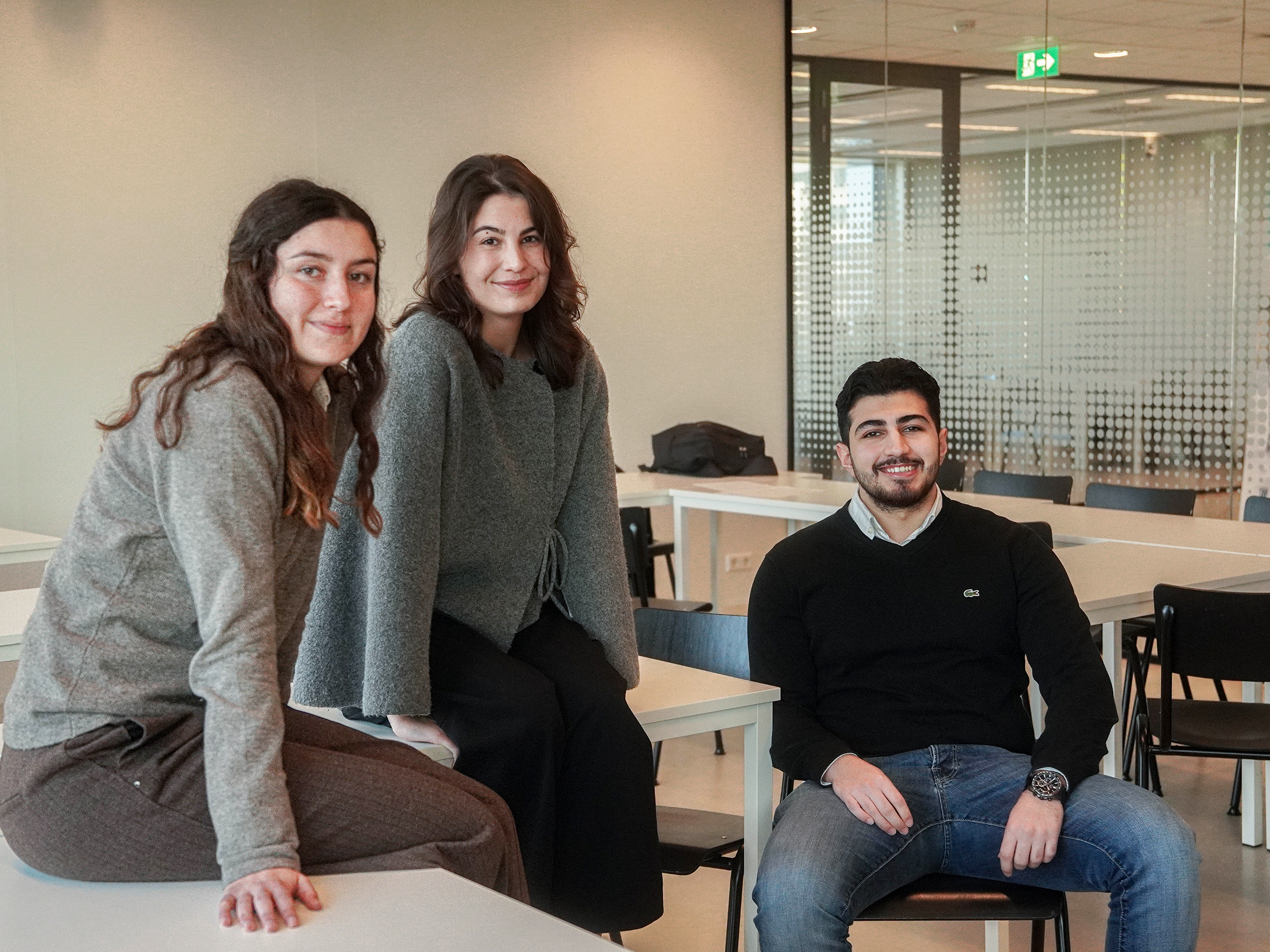
Broad Rotterdam Student Council has first months behind it: ‘We are now really taking part at city level’
Gepubliceerd op:-
Governance
-
-
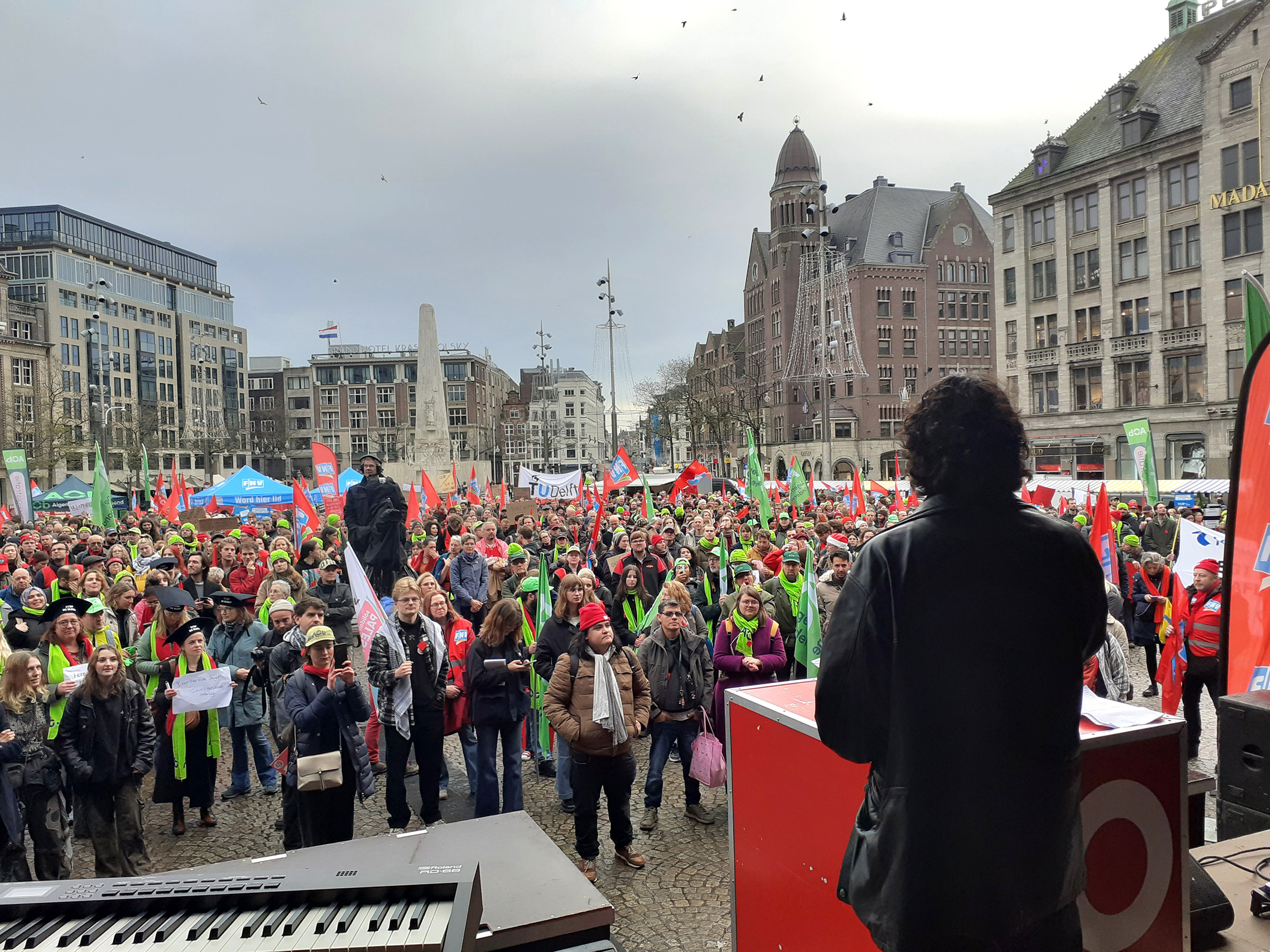
Thousands of students and lecturers take to the streets for higher education
Gepubliceerd op:-
Governance
-