‘Government makes studying alongside benefits too difficult’

Studying while receiving benefits should be made easier, according to the Instituut voor Publieke Waarden (Institute for Public Values). This would benefit everyone, including the government. Universities could perhaps lend a hand in this effort.

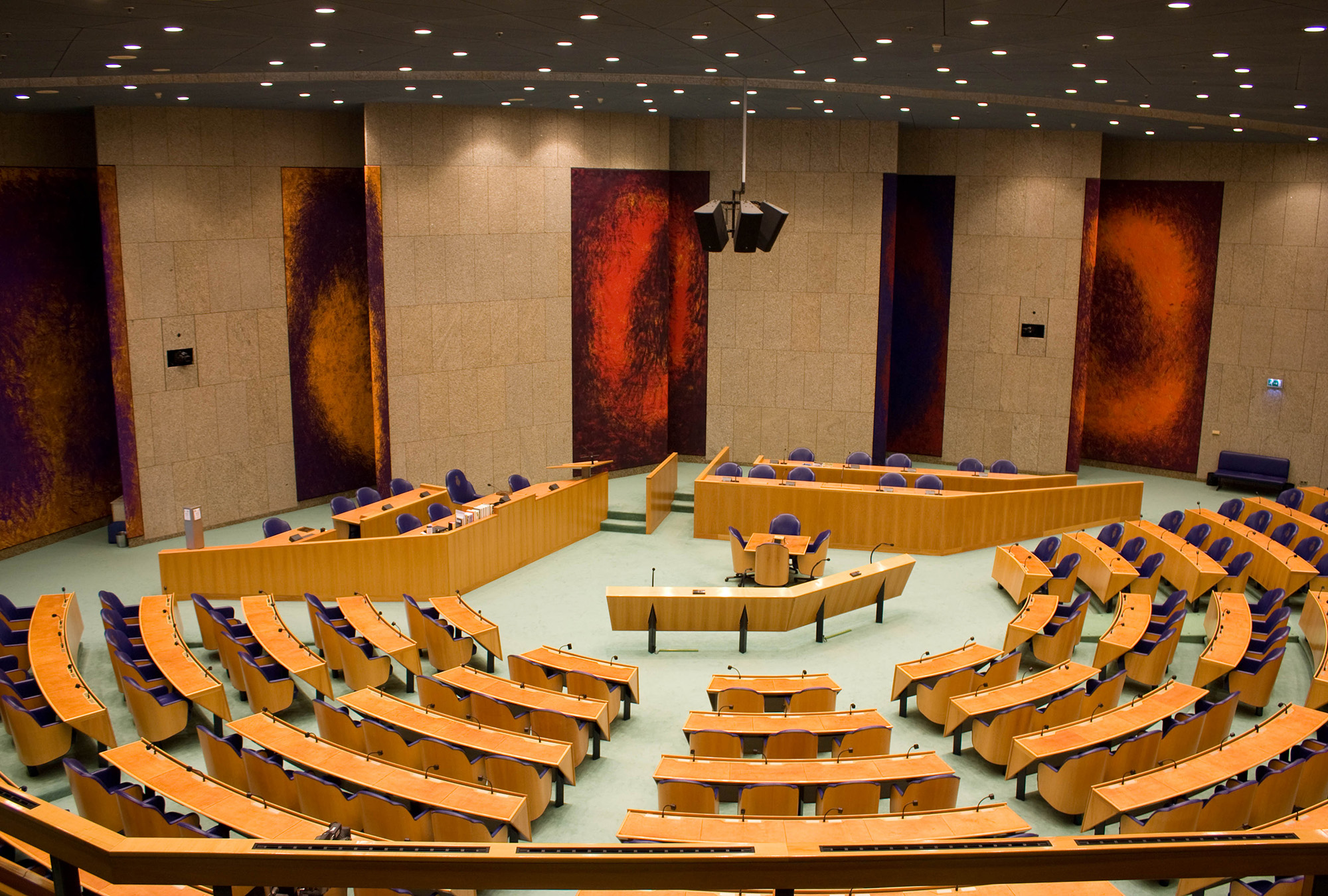
Image by: Ronald van den Heerik
Sometimes people are deemed unfit to work and are officially unable to return to employment. In such cases, benefits agencies may not always support their pursuit of education. Others receiving benefits are not allowed to study because they are required to be available for work.
For people on benefits, starting a study programme is often difficult, observes the Institute for Public Values (IPW). This needs to change, according to ‘activist researcher’ Rosa Snuverink. “Education can be the first step towards employment or another form of participation in society.”
Forcing a breakthrough
The IPW helps people stuck in bureaucracy and dealing with multiple issues that care providers are unable to resolve. In such cases, IPW action researchers try to force a breakthrough, so that people can look ahead once more.
The lessons learned by these researchers are used to advise the government. On Tuesday, a report was published for the Ministry of Social Affairs and Employment about several common ‘breakthroughs’. One of these addresses the challenges of studying while receiving benefits, explains Snuverink.
How do you respond to the argument from benefits agencies that says: if you can study, you can work, so you’d be better off getting a job?
“The government wants people to work or contribute to society in another way. Studying doesn’t count, as it doesn’t provide immediate results. There’s no guarantee that it will lead to a degree or a job. So, agencies prefer people to go straight into work. But sometimes people don’t want to return to their previous jobs. And as a society, don’t we want people to develop themselves? They don’t want to remain on benefits; they want to take a step forward.”
The report includes the example of someone who is deemed unfit to work. You calculate that the day programme funded by the municipality costs three times as much as the course he wants to take instead. Why doesn’t the government simply fund the course?
“For the municipality, day programmes and education are two different things. Tailor-made solutions are needed. Funding education is legally allowed, but civil servants need to be aware of that.”
A step too far
The IPW also sees a desire to study thwarted among people on welfare or in debt assistance. When they want to study, agencies often refer them to DUO for student finance. However, this means their benefits are cut, which for some is a step too far.
The report cites the example of a 27-year-old mother of two who wants to study nursing but would then become entirely dependent on DUO while her debt restructuring process is nearly complete. Studying would be a breakthrough for her, the IPW believes, but she is afraid to give up her benefits.
Snuverink: “Agencies are essentially asking people to give up their financial security. Their stable income disappears, and there’s no certainty they’ll get a degree or find a job. This can cause a lot of stress and reduce the chances of successfully completing their studies. That’s why it would be better for municipalities or the UWV to fund the education themselves.”
A helping hand
Snuverink also believes that universities and universities of applied sciences could lend a hand. They could set aside a small fund each year to cover tuition fees for one or two people on benefits. “Just to see if anyone takes advantage of it. What would happen? I’d love to have a conversation with a university or university of applied sciences about this. These kinds of experiments teach us a lot about the system.”
Lees meer
-
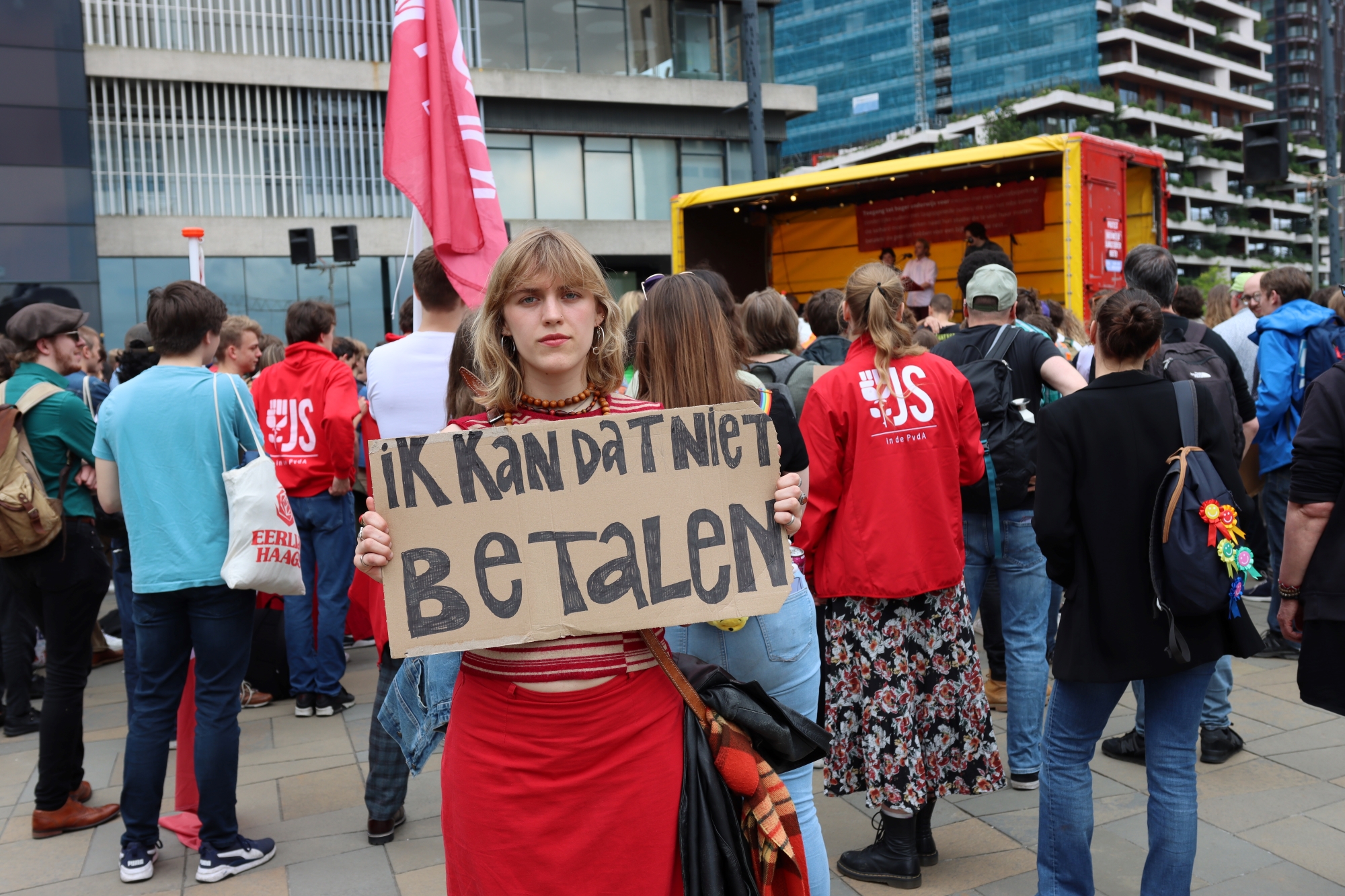
Protest against government plans: ‘Stop blackmailing us! No fine for studying!’
Gepubliceerd op:-
Student life
-
De redactie
Latest news
-
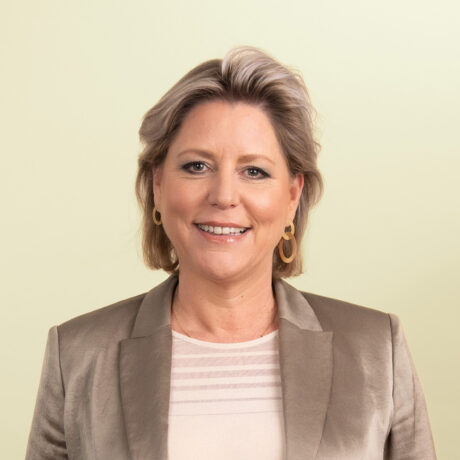
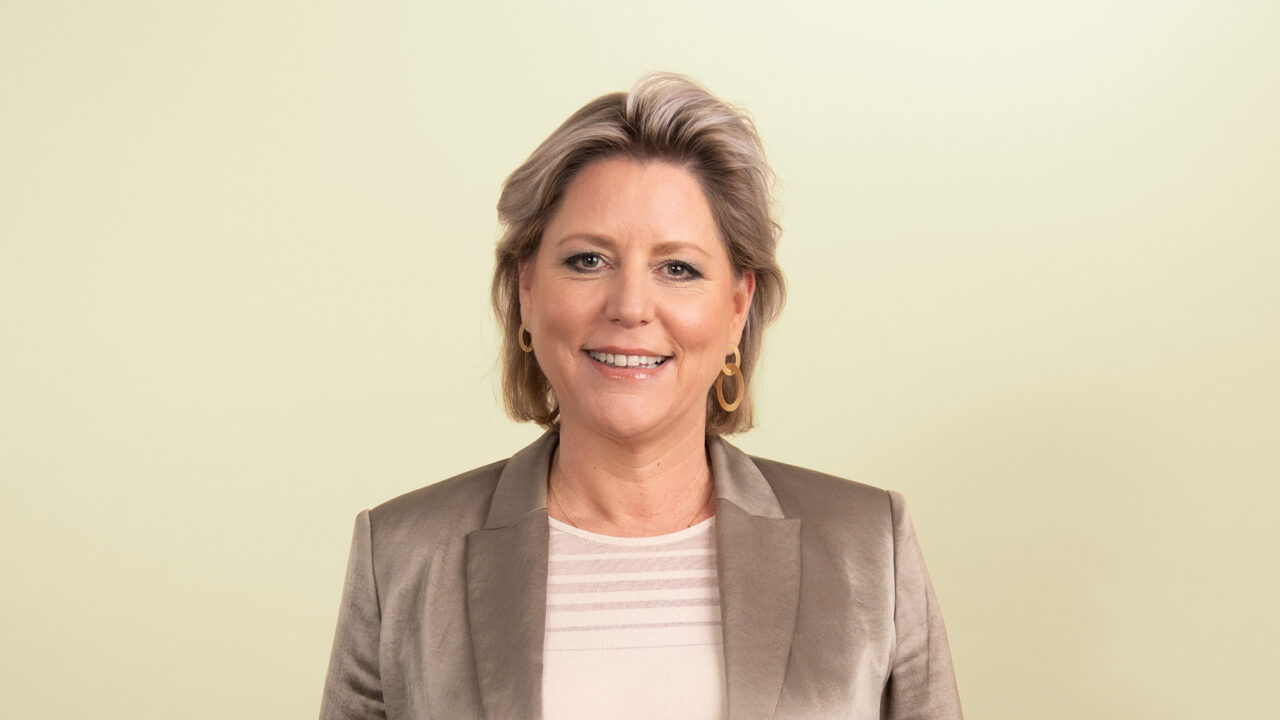
Letschert gives nothing away in first parliamentary debate
Gepubliceerd op:-
Education
-
Politics
-
-

Away with the ‘profkip’, says The Young Academy
Gepubliceerd op:-
Science
-
-

House of Representatives wants basic grant for university master after HBO
Gepubliceerd op:-
Money
-
Politics
-


Comments
Comments are closed.
Read more in Politics
-
Letschert gives nothing away in first parliamentary debate
Gepubliceerd op:-
Education
-
Politics
-
-
House of Representatives wants basic grant for university master after HBO
Gepubliceerd op:-
Money
-
Politics
-