Ad

Traditions

Traditions, I love them. Last summer, my niece was planning her wedding and everyone in our family has a certain image of what such a wedding should look like. Grandmothers, aunts, nieces, in-laws: when organising a Moroccan wedding in the Netherlands, everyone is sure to provide their input.
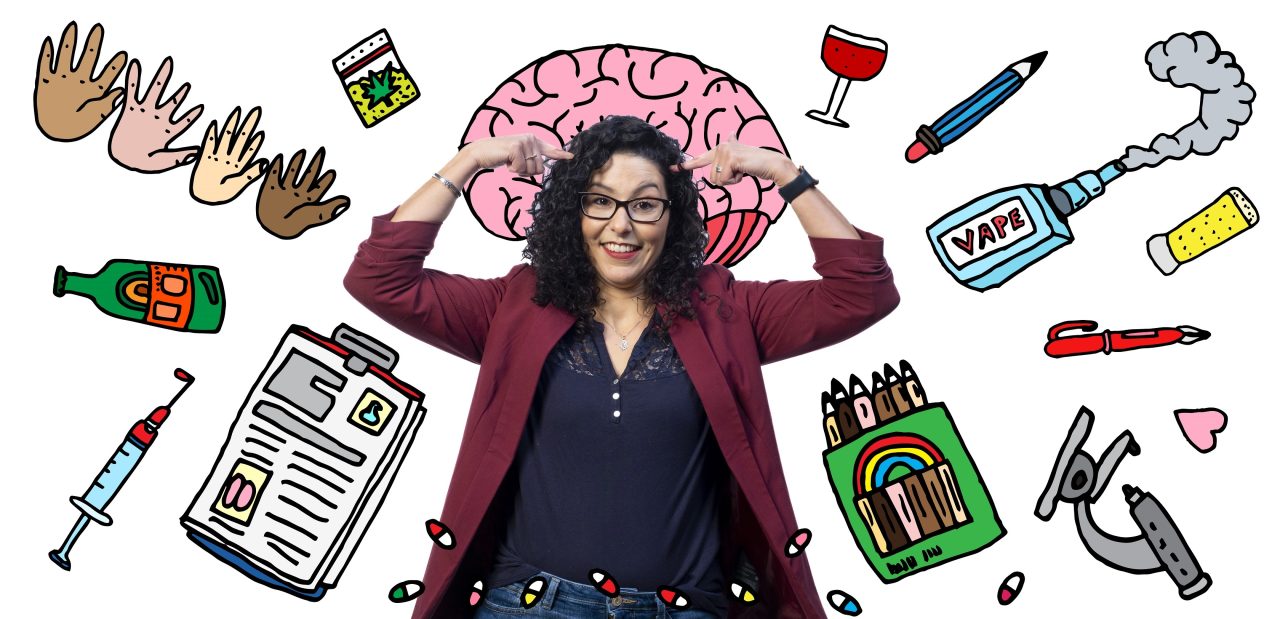
Image by: Levien Willemse, Pauline Wiersema
I too am one of those aunties with an opinion and certain expectations. I like to keep traditions alive and found the traditional costume in particular to be a must. Wearing a handmade kaftan embroidered with silver thread, beads and sequins accompanied by jewellery made with freshwater pearls, precious stones and gold are simply what it means to be a bride. My niece, however, had her own ideas about what she would or wouldn’t wear and what her party should look like. Which is why I respectfully watched my darling niece decide on her own melody among the cacophony of opinions of mothers, mothers-in-law, aunts and grandmothers.
I equally love the diverse traditions and rituals at university. I love the annual Eureka week, the opening of the academic year, the Dies Natalis and university ceremonies such as graduation ceremonies, inaugural lectures and doctoral conferrals. The ceremonies provide moments of pause, reflection and celebration of milestones in the academic environment. At these ceremonies, professors – like at the Moroccan wedding – wear traditional attire: a custom-made, handmade velvet gown with a colourful stole and stately cap.
What used to be desirable or acceptable may no longer be appropriate in a society striving for equality and inclusiveness
Traditions and ceremonies strengthen ties within communities. With our traditions, we pass on norms and values to the younger generations so that they know where they come from and how to position themselves in the world. While certain traditions may seem like a bridge to the past, I also see them as a foundation for identity and community in the present and future. I hope younger generations keep traditions alive, at the very least partially.
That’s not to say that, in a changing world, traditions can’t evolve from generation to generation. Just as my niece made her own choices and shaped her wedding in a way that suits her, traditions and ceremonies at universities can change. What used to be desirable or acceptable may no longer be appropriate in a society striving for equality and inclusiveness. For example, at a number of universities (including Utrecht, Leiden and Amsterdam), all committee members wear a gown during a doctoral conferral, even if they are not professors, to emphasise equality between members. We can adapt our traditions as we see fit, while preserving what lies at their heart. As a bridge to the past and a compass for the future.
Meanwhile, the wedding took place; I laughed, cried and had a lot of fun.
Hanan El Marroun is a professor of Biological Psychology.
Lees meer van Hanan
-

Identity
Gepubliceerd op:-
Column
-
De redactie
-
 Hanan El Marroun
Author
Latest news
-
Interest on student debt at highest level in 17 years
Gepubliceerd op:-
Money
-
-

Behind on repaying your student debt? DUO may soon pass the details on to your municipality
Gepubliceerd op:-
Politics
-
-

Extra funding for higher education does not keep pace with inflation
Gepubliceerd op:-
Education
-
Politics
-

Comments
Comments are closed.
Ad
Read more in Column
-
The drama of Jason Arday
Gepubliceerd op:-
Column
-
-
The president of the Executive Board hopes scientists will draw energy from hot air
Gepubliceerd op:-
Column
-
-

Notes on your phone
Gepubliceerd op:-
Column
-