Minister Dijkgraaf praises independent journalism in higher education
“It’s vital that news editors at higher education institutions can operate independently”, outgoing Education Minister Robbert Dijkgraaf has told the House of Representatives. He calls on the executives of these institutions to safeguard that independence.
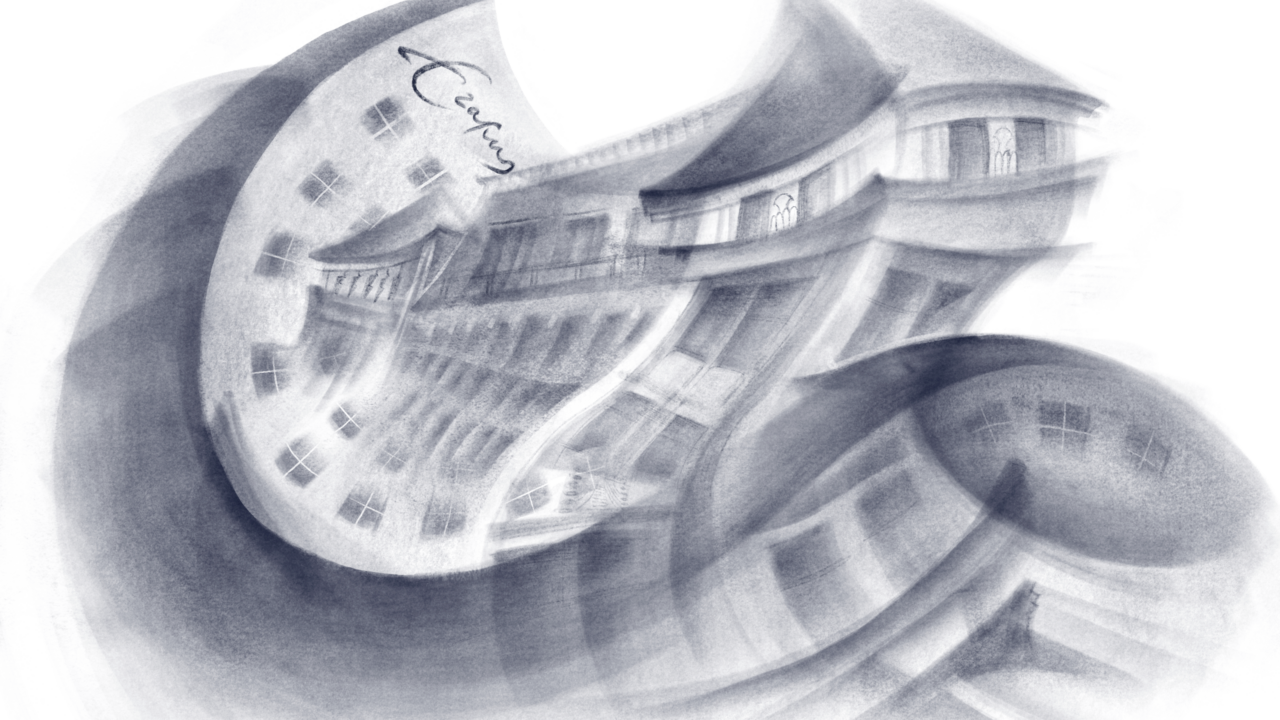
Image by: Aysha Gasanova
“We see worrying signs of the worsening harassment of journalists working in independent university media”, NSC politician Rosanne Hertzberger said in discussion with the minister last night. “We hear of journalists being denied access to public meetings and university executives ordering editors to remove articles.”
She sees this as an alarming trend. “There is a real danger that all university reporting will be reduced to shiny glossies full of upbeat stories. To paraphrase George Orwell: journalism is printing what someone else does not want published; everything else is PR.”
University journalism is a “crucial counterweight to ensure democracy within our educational institutions”, Hertzberger said. She also believes that the press is well-placed to keep an eye on the quality of education. “With this in mind, we would like to know how the minister can guarantee press freedom for these university newspapers.”
Pressing issue
Hertzberger’s concerns were echoed by Luc Stultiens of GroenLinks-PvdA. “I think these are very good questions. I am happy to lend my support on this pressing issue, about which we have already raised questions.”
Stultiens submitted written questions on the situation at TU Delft, to which Hertzberger was referring. There, journalism platform Delta came under pressure from the executive board to retract an article on social safety. Delta was also denied access to a public meeting on social safety at TU Delft.
Similar incidents have occurred elsewhere. Recently, Eindhoven university magazine Cursor clashed with the board over an article on possible conflicts of interest involving the new rector. The editor-in-chief had to step down and the magazine staged a website blackout in protest.
Another issue arose at HAN University of Applied Sciences in Arnhem and Nijmegen: online platform SAM featured a column about ‘bullshit jobs’ which angered the director of communications so much that he insisted on prefacing it with his own reaction.
read more
-
Debate: how can higher education media stay independent?
Gepubliceerd op:-
Governance
-
Dual approach
In his response, Dijkgraaf took a dual approach, praising journalism on the one hand and on the other hand declining to interfere. “Independent journalism and press freedom are of great value, especially when it comes to academic debate”, he told the House of Representatives. “That academic freedom is something we often talk about.”
But is it up to him to intervene? “That academic freedom is something the academic community itself has to defend”, Dijkgraaf insists. “An academic press is a very good way of keeping people alert and aware. It is therefore essential that news editors in higher education are in a position to operate independently.”
In other words, the minister plans to leave well alone. “It’s the responsibility of the institutions to safeguard journalistic independence and not allow their news sources to be reduced to a PR exercise.”
Called to account
“I too am worried by the concerns that have been raised”, the minister underlines. In his view, the incidents show “that some institutions are struggling in this area”. He calls higher education executives to account on this matter. “I did that again the other day. They tell me it’s an area in which they want to take an active role and continue to address in their discussions.”
Dijkgraaf is keen to make his own position clear. “I absolutely endorse the importance of this issue. I think that having such an independent press is a very admirable element of our culture in higher education, as well as providing an excellent springboard for aspiring journalists, something I have seen for myself.”
This last comment came with a smile. Rosanne Hertzberger of the NSC was once a contributor to Leiden University magazine Mare and went on to become a columnist for national daily NRC. She is married to journalist Arjen van Veelen, who also started his career at Mare.
Editors-in-chief
In late April, the association for editors-in-chief in higher education sent a letter to the education minister. “Time and again, the problem of boards and corporate directors putting pressure on editorial boards rears its head”, they wrote. “And every time this problem meets with an outraged response, from you for example, or your predecessor Jet Bussemaker.”
“As a crowning achievement as outgoing minister”, the letter concludes, “we ask you to restore journalistic freedom to the news sources at our higher education institutions”. But the minister believes this task is best left to others.
De redactie
Latest news
-
Away with the ‘profkip’, says The Young Academy
Gepubliceerd op:-
Science
-
-

House of Representatives wants basic grant for university master after HBO
Gepubliceerd op:-
Money
-
Politics
-
-
Company takes a huge chunk of the student finance of at least 350 internationals
Gepubliceerd op:-
Internationalisation
-

Comments
Comments are closed.
Read more in Governance
-
Executive Board supports institutes ISS and IHS’s wish to merge
Gepubliceerd op:-
Governance
-
-
Broad Rotterdam Student Council has first months behind it: ‘We are now really taking part at city level’
Gepubliceerd op:-
Governance
-
-
Thousands of students and lecturers take to the streets for higher education
Gepubliceerd op:-
Governance
-