Demonstration: yes. Harassment: no
On 7 October, Hamas carried out a terrorist attack against Israel, which then started a genocidal war in the Gaza Strip. In response, Amsterdam raised the Israeli flag on top of the Stopera (the city hall). Halsema forgot she was the mayor of all residents of Amsterdam, including those with a Palestinian background.
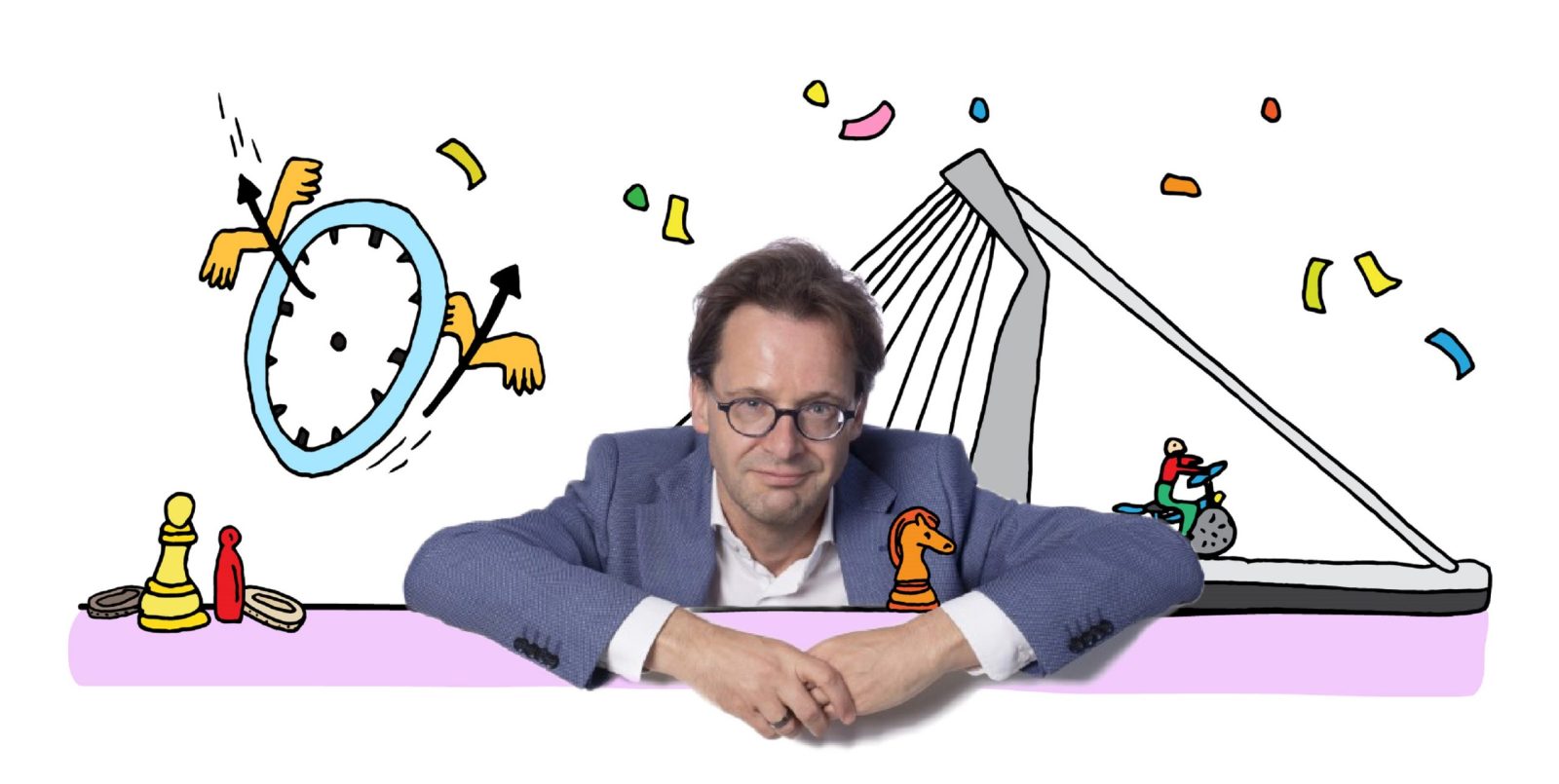
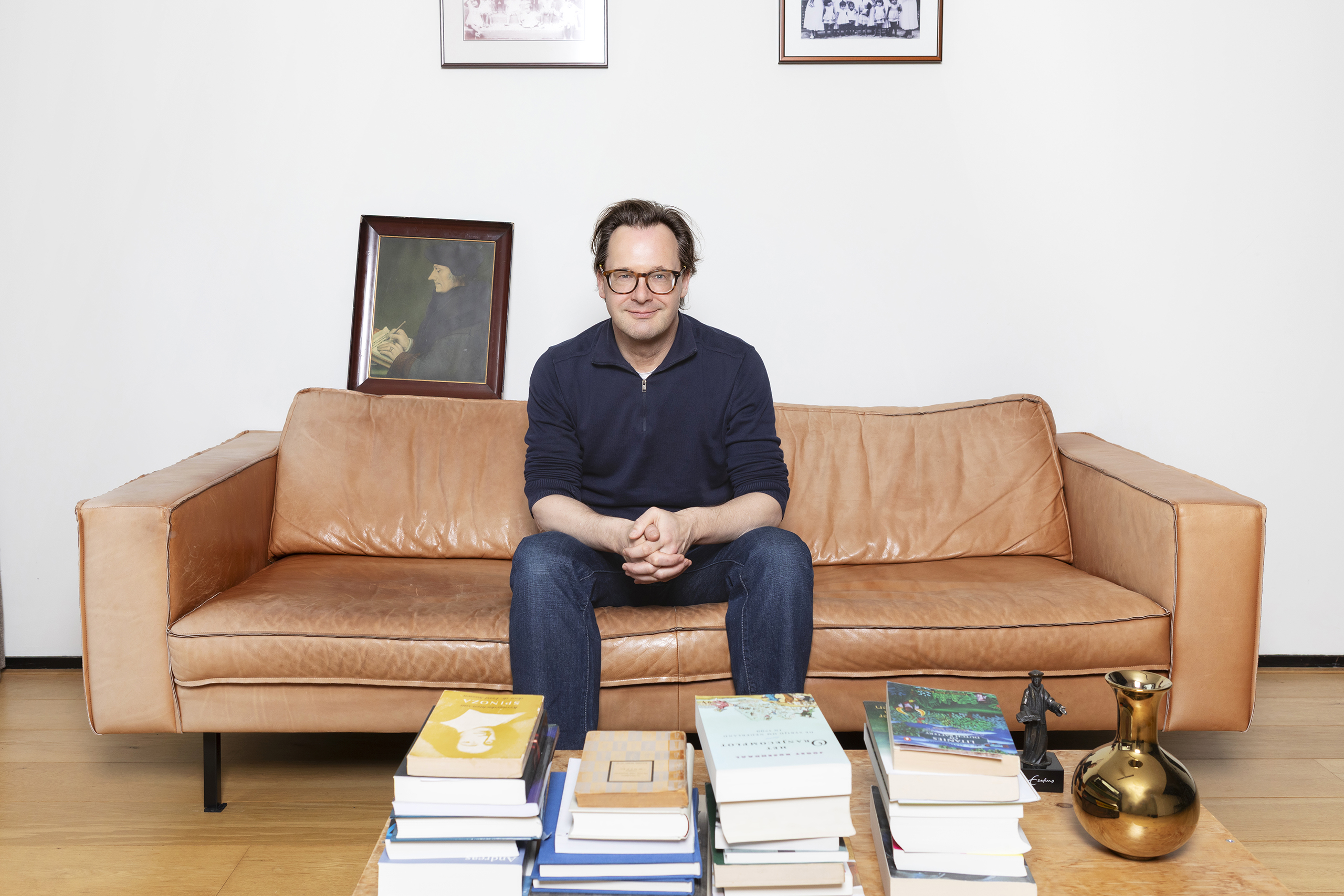
Image by: Levien Willemse
For municipal officials with a Gazan background it must have been strange to go to work these days in a building flying this flag. Rotterdam did not participate in this flag display: mayor Aboutaleb understood the city should not take sides between the extremists in Israel’s government and the Hamas terrorist organisation. The side we do have to keep taking is that of the people of Gaza.
I am proud that we have a generation of students willing to denounce injustice and to take action. There should be plenty of room for such activism at the university, including, I believe, for occupations and overnight stays on campus grounds: in this country we all have the right to demonstrate. What I cannot condone, however, are outsiders who hijack these actions in order to intimidate our students and to commit vandalism, as happened in Amsterdam: in a democracy there is no place for harassment. I find it particularly odious that the Executive Board in Amsterdam negotiated with masked rioters who had just caused millions of euros’ worth of damage to that same university.
It seems that universities need some getting used to this new type of activism. In the past, demonstrations were often well-organised and the organisers would often know the participants. This organisational capability seems to have been somewhat eroded. In this age of social media, things are also moving faster, allowing groups of people to join in a demonstration and change its course to suit their agenda. The events in Amsterdam confront us with the question of what the university actually is. This is not a place where you can commit violence and then demand agreement with your views. It should, however, be a place for discussion, where people collectively analyse events: less political flag-waving and more substantive debating.
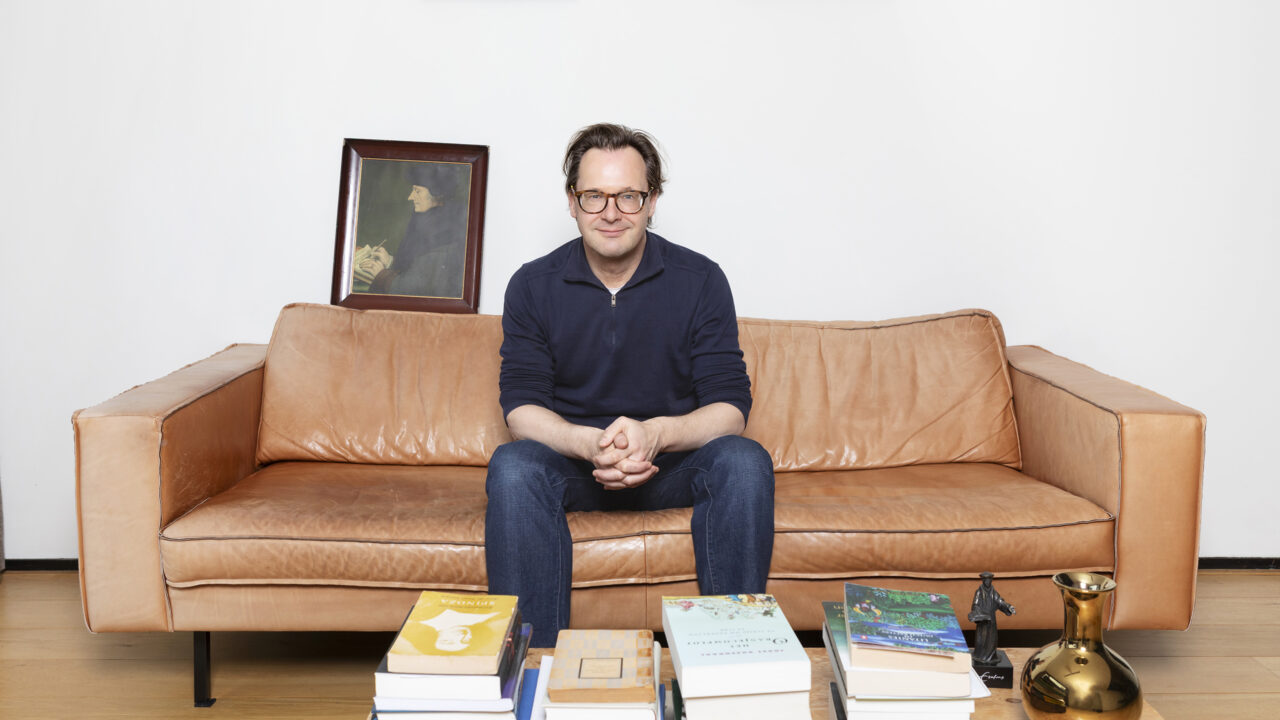
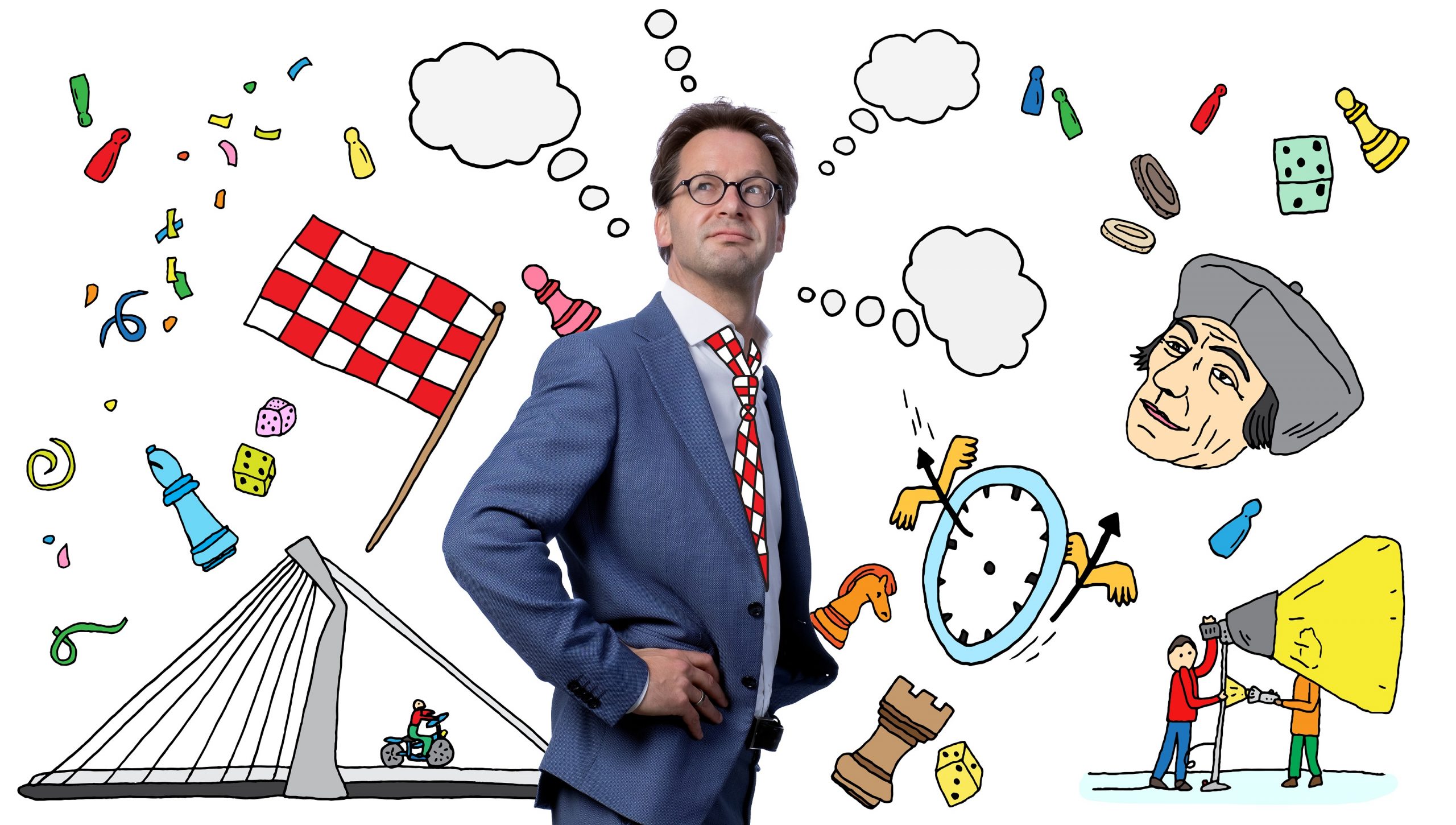
Five hundred years ago this year, Erasmus wrote his book on free will, De libero arbitrio (1524). This was a time of political polarisation and religious strife, especially between the Catholic Church and reformers such as Luther. Erasmus was the most influential thinker of his day, and both parties demanded that the philosopher take their side. What was special about Erasmus was that he refused to comply. He believed an academic’s task was not so much to take sides in a political conflict, but rather to analyse conflicts and warn people about the perils of war. This is what he did in his books In Praise of Folly and The Quarrel of Peace. A convincing argument, after all, does not require any violence.
Read more
-
Carefully Reckless with Jos De Mul
Gepubliceerd op:-
Column
-
De redactie
Latest news
-
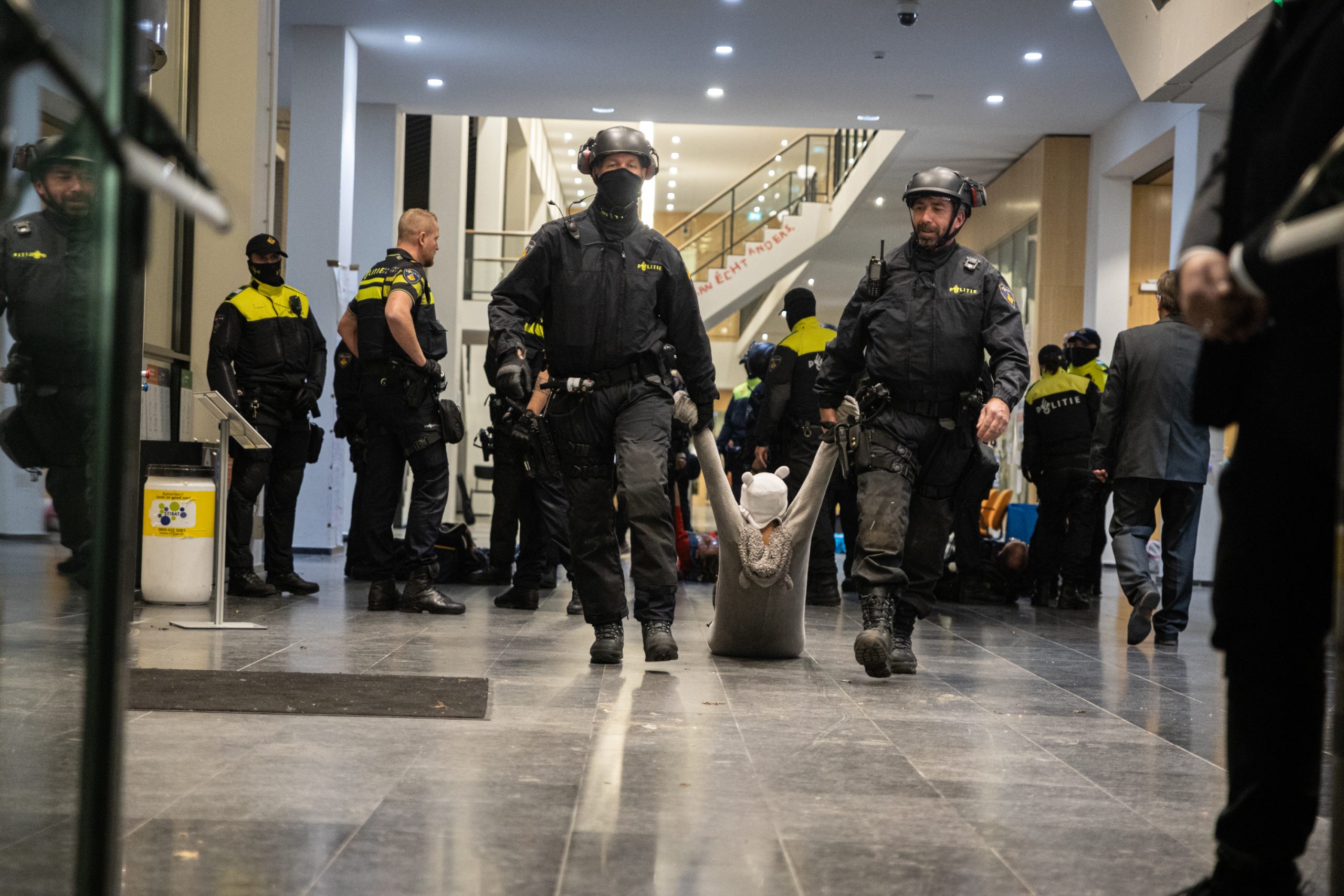
U-council: proposal for house rules restricts right to protest
Gepubliceerd op:-
Protest
-
-
Student on the ballot: Finn wants a safer nightlife and affordable student rooms
Gepubliceerd op:-
Campus
-
-
University Council and Erasmus Magazine must keep each other on their toes
Gepubliceerd op:-
Editorial
-
Comments
Comments are closed.
Read more in Column
-
A maximum number of PhD candidates per professor? That is not going to happen
Gepubliceerd op:-
Column
-
-
Minister Letschert and the academic tower
Gepubliceerd op:-
Column
-
-
Spinach seed wounds
Gepubliceerd op:-
Column
-