History students face dilemma over conscription: ‘Sending people to war is actually unacceptable’

During the lecture Migration, citizenship and identity in a globalising world, history students think about the best way to recruit an army if war were to break out in their non-existent country, Utopia. “If I were called up for service, I would definitely do it. I won’t be chased out of my country.”
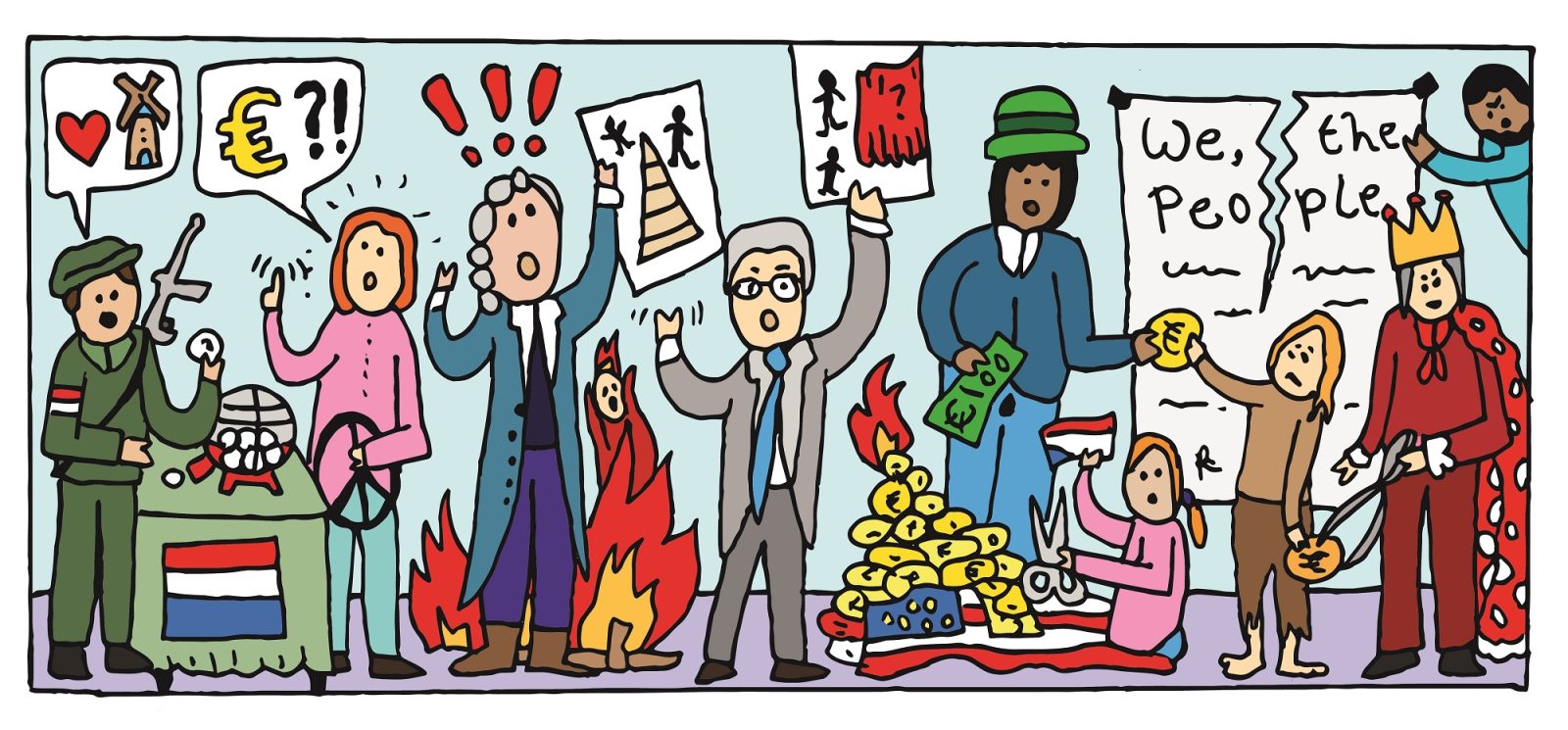
“Suppose war were to break out in Utopia”, lecturer Gijsbert Oonk puts to the group of over thirty students in the lecture hall. “And the state were struggling to recruit an army. What do you think would be the best way to solve that problem?”
Lecture: Migration, citizenship and identity in a globalising world (Wednesday morning, 9:00-10:45, in the Theil building CB-2)
Lecturer: Gijsbert Oonk.
Subject: The role of government according to John Locke.
Audience: Over thirty early birds who don’t even yawn during the lecture.
Reason to attend: The lecture is interactive and the discussion engaging. You will be presented with different theories and ideas on how to organise a state from a historical perspective. At the end of the lecture series, you and your fellow students will create your own constitution for your non-existent country, Utopia.
John Locke
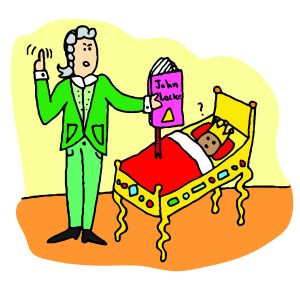
Image by: Pauline Wiersema
Prior to this question, the lecturer spoke about the ideas of seventeenth-century philosopher John Locke. According to Locke, freedom and equality are the fundamental natural law governing man. People are perfectly capable of deciding for themselves how they want to live, as long as they do not hurt anyone or take away anyone’s property. Locke questioned why we need a government as well as to what extent the government is entitled to determine the life of society.
After explaining Locke and libertarianism, the lecturer puts the case to the students to test their views.
Money versus loyalty

Three options are listed on the screen behind lecturer Oonk. The first is to increase the salary of military personnel so that the job becomes more attractive and more people enlist. The second option is to institute conscription or the random selection of citizens for military service. The final option is to recruit foreigners to defend Utopia.
“Who would pick option one?”, asks Oonk. A third of the audience raise their hands. “For example, in the Netherlands, the average armed forces wage is quite low”, says one student. “So it would makes logical sense to make the job more appealing that way. People would then join the army voluntarily, instead of being forced to as conscripts.”
“But recruiting foreigners works according to the same principle – so why not choose option three?”, asks the lecturer.
“Well, I’m not sure that people from abroad would be genuine about defending Utopia. They may have a hidden agenda”, replies the student.
Another student is conflicted about his choice. “I think it’s a dilemma”, he says. “I feel that options one and three are all about money rather than loyalty. But option two, forcing people to go to war, is actually unacceptable.”
Challenging opinions
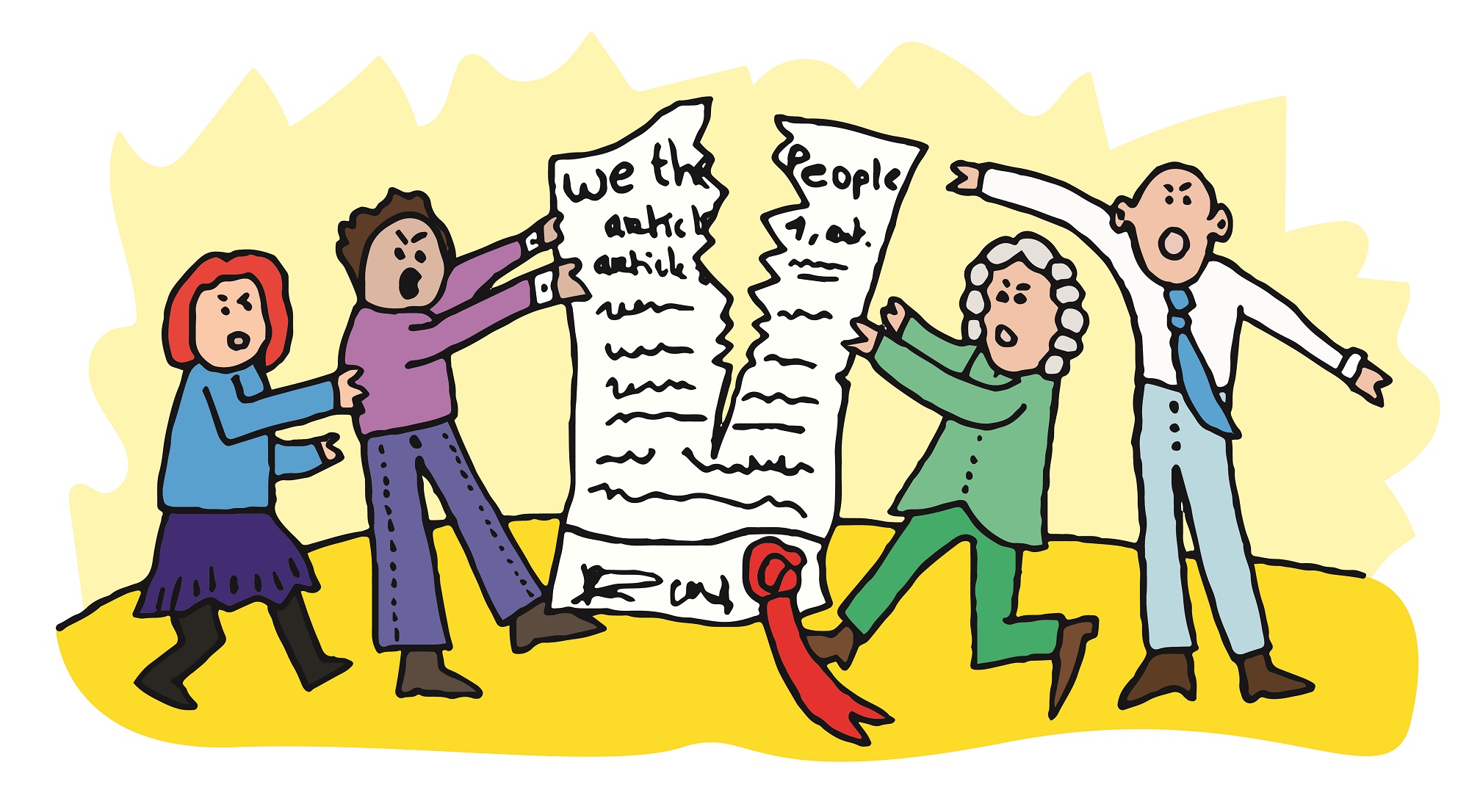
Student Marnix feels sure about what he would do if he were called up for military service. “I would definitely do it. Of course I’d rather not, but I would also feel duty-bound to some extent. There’s also a sense of: ‘well, I just won’t be chased out of my country’”, he says.

Students Jente and Wessel are sat close to Marnix and both find the lecture fascinating. “It’s so interesting thinking about how to organise a state”, says Wessel. “On top of that, this lecture challenges your opinions. Of course you have notions about what you think is right or wrong. The lecturer challenges those ideas by presenting different cases.”
Jente nods. “Like your idea of freedom. Locke says everyone is born free. And yet the state can determine what is and isn’t allowed. I haven’t yet decided to what extent the state is allowed to do that – but it makes for good food for thought.”

What students Sara and Mirthe like most about college is the discussions. “I learn a lot from listening to the opinions of fellow students. Sometimes we get into a debate and you have to substantiate and argue your opinion thoroughly.” She adds: “On top of that, the lecturer moderates the discussion effectively, encouraging us to think and giving us space to form our own ideas.”
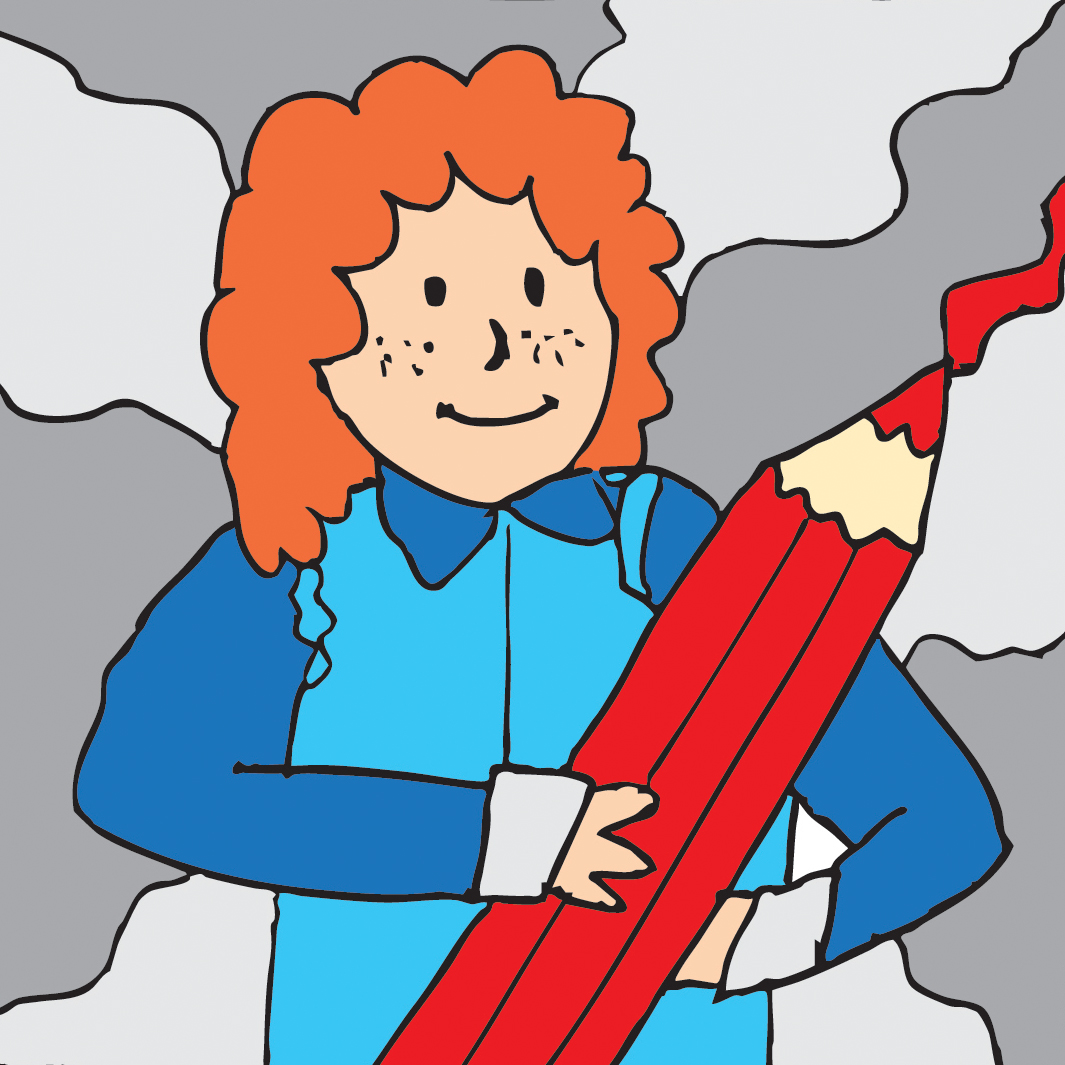
Each month, editor Feba Sukmana and illustrator Pauline Wiersema attend a lecture at EUR. Together they describe and illustrate how the class is being taught, what happens inside the lecture hall and how the students feel about the lecture.
EM is looking for the best, funniest or most interesting lectures at the EUR. Should we pay a visit to your lecturer? Tip us at [email protected]
De redactie
-
 Feba Sukmana
Editor
-
 Pauline Wiersema
Illustrator
Latest news
-

Away with the ‘profkip’, says The Young Academy
Gepubliceerd op:-
Science
-
-

House of Representatives wants basic grant for university master after HBO
Gepubliceerd op:-
Money
-
Politics
-
-

Company takes a huge chunk of the student finance of at least 350 internationals
Gepubliceerd op:-
Internationalisation
-


Comments
Comments are closed.
Read more in In the lecture hall
-
Students chase away climate anxiety with dance moves
Gepubliceerd op:-
In the lecture hall
-
-
Can you make contraception mandatory for psychiatric patients? Students learn about the health rights of people with disabilities
Gepubliceerd op:-
In the lecture hall
-
-
Why are concert tickets getting pricier? Students delve into the concept of cost disease in the art world.
Gepubliceerd op:-
In the lecture hall
-