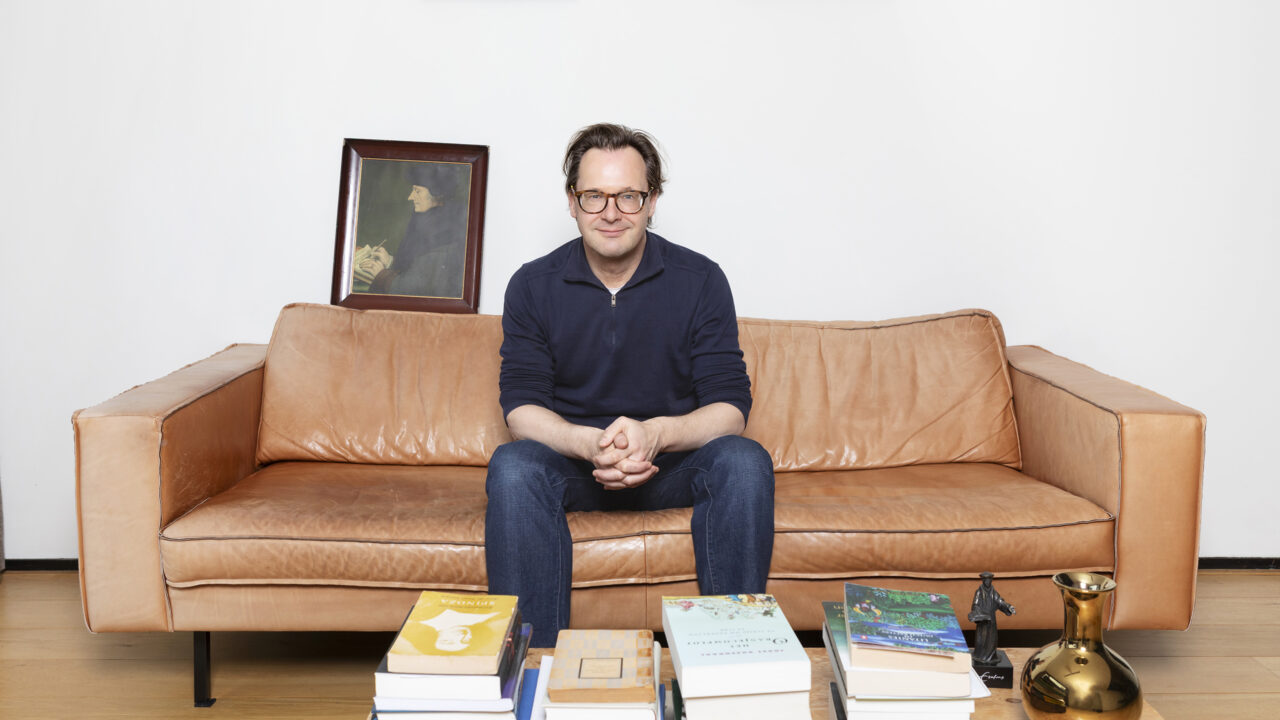
More English does not result in more diversity
MP Jan Paternotte is concerned that students will not be able to read pieces from English newspaper The Guardian in the future. The D66 party chair shared this concern on X, prompted by the debate on limiting English-language teaching in universities. I do not share Paternotte’s concerns: young people in our country now read English better than ever.
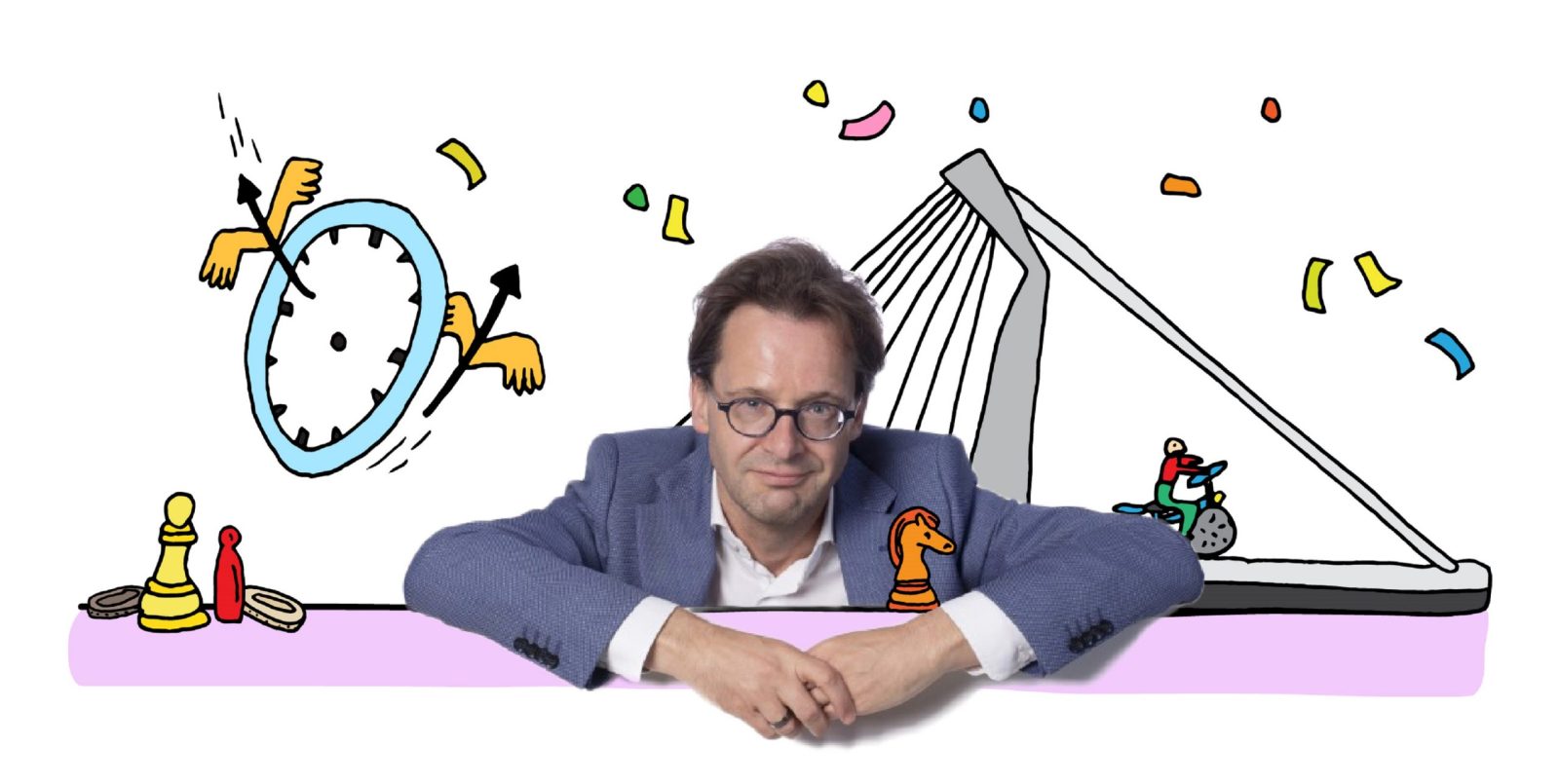
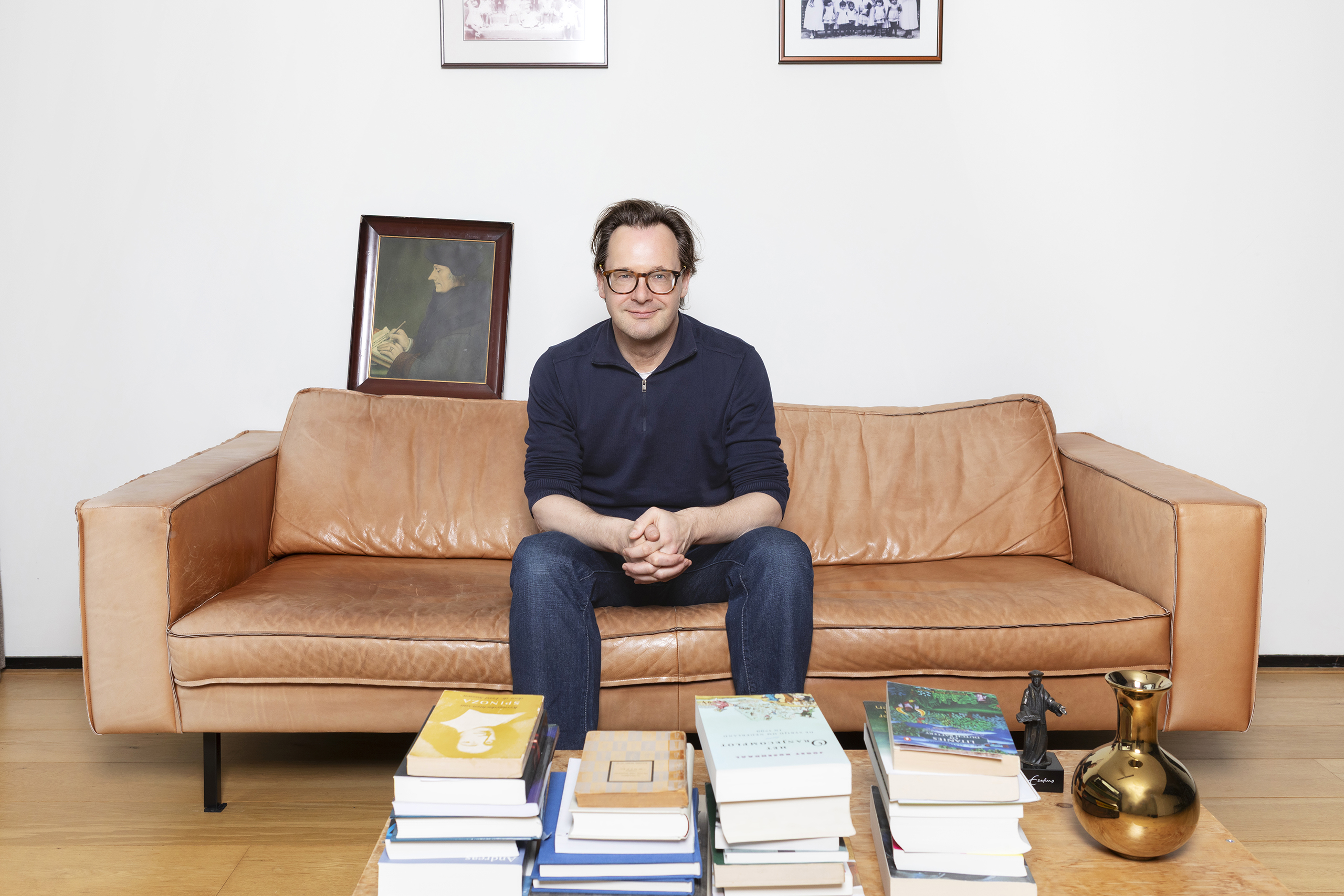
Image by: Levien Willemse
What I do wonder is how many Dutch people will be able to read El País, or La Repubblica, in a few years’ time. Or Le Monde or the Frankfurter Allgemeine Zeitung, for that matter. If I am to believe the alarming reports about the reading skills of pupils in our country, I even worry whether de Volkskrant will still be read by future generations.
In my view, the debate on university Anglicisation involves framing – presenting others’ views in such a way that they are perceived negatively by the public. Concern about the dominance of English is framed as not wanting to cooperate, or turning yourself away from foreign countries: as a form of political nationalism. At the very least, this is definitely what D66 and other proponents of the Anglicisation of education are doing. Everything critics say then becomes bad and suspect, which means you no longer have to take the arguments put forward seriously.
However, no scientist is against international cooperation; that mindset would severely hamper our work. The arrival of international students always enriches a university. The problem is that ‘international’ is now equated with ‘English’, as if Spanish and Italian, French and German and all the other languages don’t actually matter. As if Dutch doesn’t matter.
In science, there is a need for a lingua franca, or a connecting language – in Erasmus’ time, this was Latin, and it has since become English. However, we should not pretend that more English also results in more diversity. The beauty of internationalisation is that it can add more colour – and multilingualism should reflect that.
Each language has its own character. I realised this again when I read about Bertolt Brecht coming to the US in 1941 after fleeing the Nazis. The German poet felt uncomfortable in his new language because he sounded like a nice fellow in English: in translation, he felt his work became flat and less pronounced.
When I started studying philosophy, we were given texts by Kant, Hegel, Nietzsche and Heidegger in German. These texts are now in English, and it’s a world of difference. This is not because English is in any way ‘inferior’, but simply because it is different – a difference that young philosophers now do not get to experience. Words are not neutral, and another language can also offer a different perspective on reality.
Universities are finally taking the lead in regulating English-language education, which I think is a good step. Ensuring better and diverse language education, in Dutch and hopefully in a number of other languages as well, seems like a logical next step. After all, studying in multiple languages helps you learn to think differently.
Read more
-
The gap between Kralingen and IJsselmonde
Gepubliceerd op:-
Column
-
De redactie
Latest news
-
NOS: Crisis of trust and culture of fear in Erasmus MC intensive care unit
Gepubliceerd op:-
Safety
-
-

Psychological support and financial assistance for Iranian students in the Netherlands
Gepubliceerd op:-
Student life
-
-

EM TV newsflash: Temporary meditation centre in P building, budget cuts in honours programmes, and student jailed for possession of weapons
Gepubliceerd op:Article type: Video-
Campus
-
EM TV
-


Comments
Comments are closed.
Read more in Column
-
Minister Letschert and the academic tower
Gepubliceerd op:-
Column
-
-

Spinach seed wounds
Gepubliceerd op:-
Column
-
-

Leftover dame blanche
Gepubliceerd op:-
Column
-