Ad

Polarised debate on internationalisation is threat to science
Good science cannot exist without international exchange, the Young Academy claims. The society of young scientists is worried about the ‘highly polarised’ discourse on language of instruction.
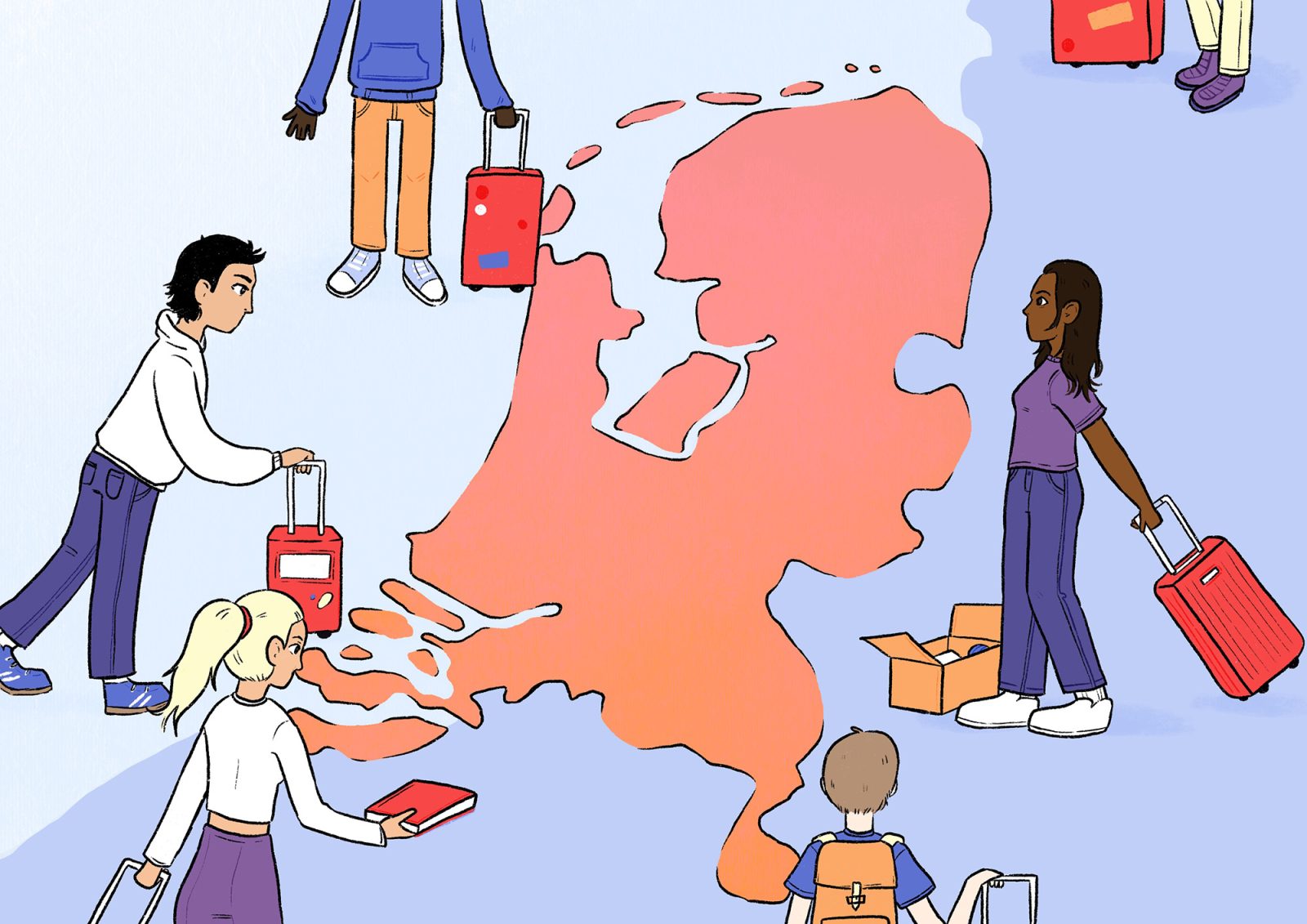
Image by: Femke Legué
Thursday, the Young Academy responded to the ‘Internationalisering in Balans’ (Internationalisation in Equilibrium) bill, with which Minister Dijkgraaf wishes to address the sharp increase in the number of international students. In future, new Bachelor’s programmes wanting to teach in a different language will have to provide a good reason for this, to be assessed by the government.
Unclear
However, the criteria to secure approval haven’t been clearly worded in the bill, says the Young Academy. A lot will depend on how the next government will implement the new policy. Given election programmes like that of Pieter Omtzigt’s NSC party, it’s possible that the use of foreign languages in higher education will be severely restricted.
The Young Academy is also worried about what impression the tone of the debate is making on international colleagues. “They perform invaluable work in our society and should, in turn, feel very welcome and appreciated within our institutions.”
The society believes language is an inadequate and inefficient tool to tackle potential problems associated with the growing number of students. What should be leading is that ‘internationalisation is a vital pillar of academia’. Thanks to its international orientation, higher education can attract and retain talent worldwide, which benefits all kinds of sectors in the Netherlands.
Workload
A new government would also do well to realise that higher education in the Netherlands is densely populated by international scientists. Most of them have not been given the opportunity to learn proper Dutch by their employer, which means teaching in that language is often out of the question. Switching to Dutch as the language of instruction would therefore have major consequences for the composition of the workforce. For institutions with a strong international orientation, this would mean a significant increase of the workload of Dutch colleagues.
The Young Academy wants to persuade politicians that quality and accessibility have to be leading in the choice of a language of instruction. “In so doing, we will unreservedly support and safeguard the international profile of academia, opposing politically motivated threats to its existence.”
Read More
-
Deluge of reactions to the proposed internationalisation legislation
Gepubliceerd op:-
Internationalisation
-
De redactie
Latest news
-

Minister scraps ‘interest cap’ for students: plan much more expensive than expected
Gepubliceerd op:-
Money
-
-
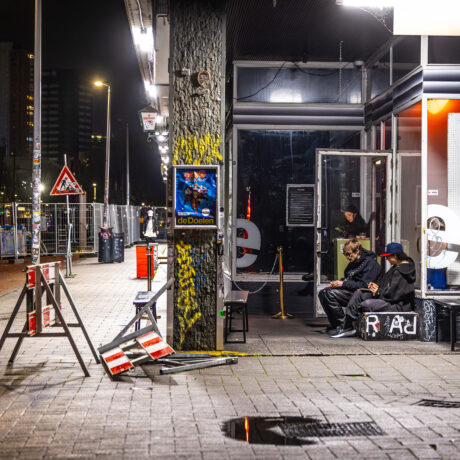
Clubs closing, expensive drinks and dancing with a matcha. How Rotterdam’s nightlife is changing
Gepubliceerd op:-
Culture
-
-
Powerhouses are like shoulder pads
Gepubliceerd op:-
Column
-
Comments
Comments are closed.
Ad
Read more in Internationalisation
-
Signing up for a Dutch course ‘feels like a race’, number of classes will not increase
Gepubliceerd op:-
Internationalisation
-
-
Knowledge institutions warn against the Netherlands’ frugal approach in Europe
Gepubliceerd op:-
Internationalisation
-
Politics
-
-
Minister sees ‘major problem’ looming: will there be too few international students soon?
Gepubliceerd op:-
Internationalisation
-
Politics
-