Inspectorate surprised by UvA’s cap on international students
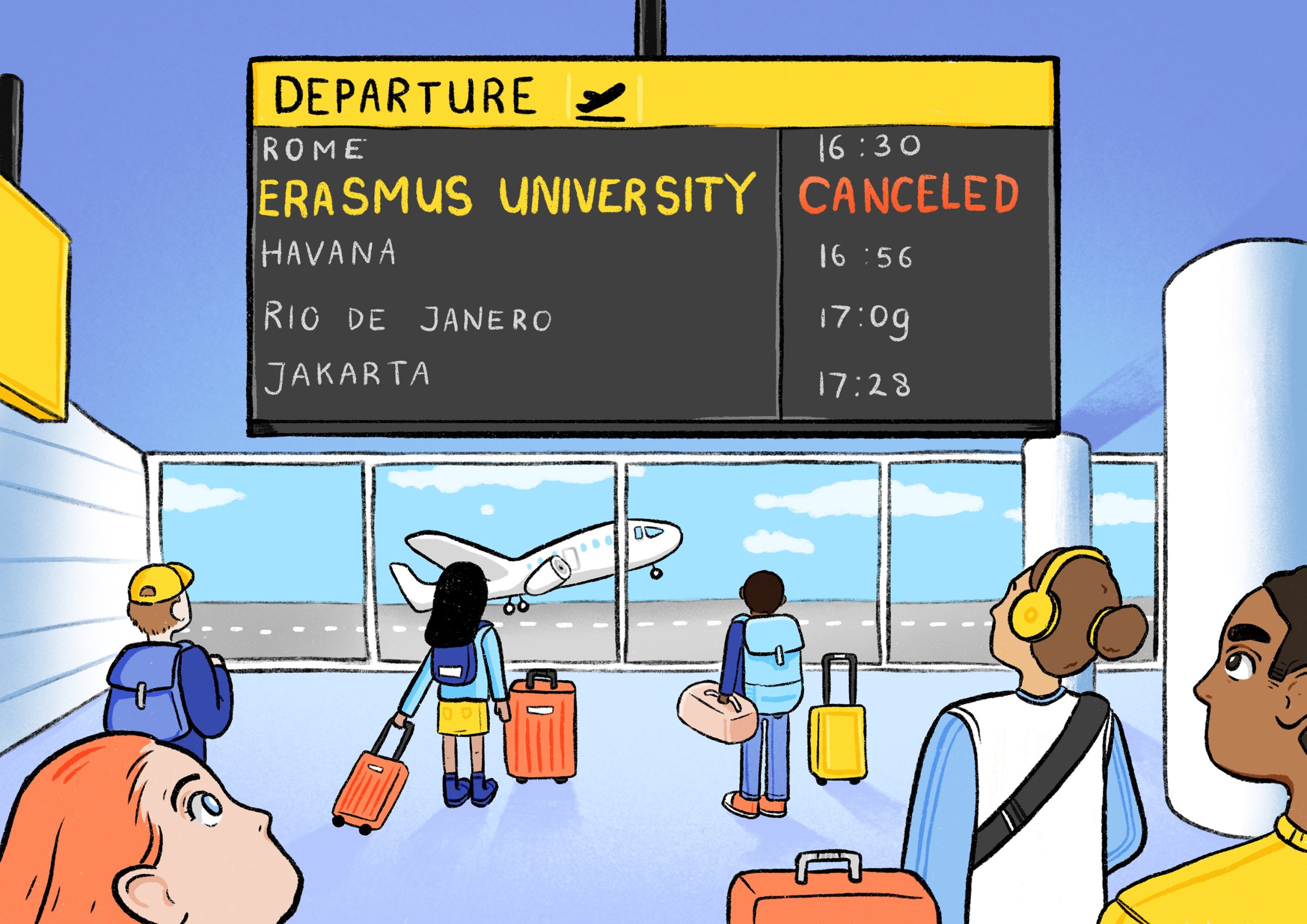
The University of Amsterdam (UvA) has become the first Dutch university to limit the number of international students admitted to a degree programme. Although this goes against current legislation, the education inspectorate did not intervene: it assumed UvA would not proceed with the plan.

Image by: Migle Alonderyte
For years, the UvA has admitted large numbers of international students but now says it can no longer cope with the influx. This led the university to take action in anticipation of a new law designed to give the higher education sector greater powers to restrict international student numbers. The UvA’s executive board introduced a quota for the English-taught track of its Bachelor’s programme in psychology. The aim was to increase the proportion of Dutch students taking the programme.
As reported in Het Parool, the measure proved effective: the proportion of Dutch speakers among first-year psychology students rose from 29 to 53 percent. President of the executive board Geert ten Dam is positive about the measure. “We have been asking for this for a long time”, she tells the paper, “and the results show that as universities we can use this measure to regulate our intake if necessary.”
Read more
-

Universities: slightly fewer international first-years
Gepubliceerd op:-
Internationalisation
-
Unexpected
Outgoing education minister Robbert Dijkgraaf wanted universities to wait until the law was amended before they took action. He wants to provide them with tools, including a student quota for English-taught tracks, to limit international admissions. Selecting students on the basis of nationality or language is currently not allowed. But the UvA went ahead regardless.
A spokesperson for the inspectorate said it hadn’t expected the university to go ahead and introduce the measure given the minister’s objections. “We thought they were simply stating their aims. Now it turns out that they have also acted on them. We are currently considering what to do about the situation.”
Read more
-
New law for intake of international students: ‘Necessary, but the tone is worrisome’
Gepubliceerd op:-
Internationalisation
-
De redactie
Latest news
-
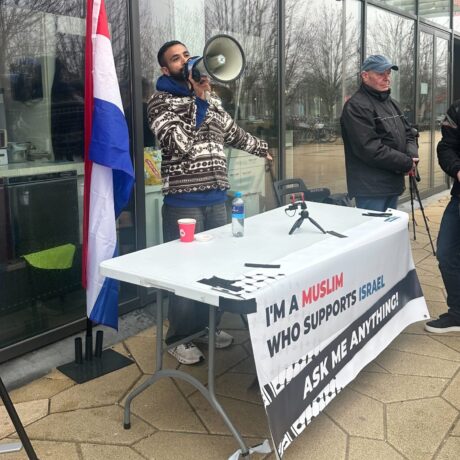
Pro-Israel demonstration on campus: ‘The text ‘I am a Muslim who supports Israel’ is rather provocative’
Gepubliceerd op:-
Campus
-
Protest
-
-
TU Delft passed columnist’s name to police
Gepubliceerd op:-
Protest
-
-

NOS: Crisis of trust and culture of fear in Erasmus MC intensive care unit
Gepubliceerd op:-
Safety
-

Comments
Comments are closed.
Read more in Internationalisation
-

Company takes a huge chunk of the student finance of at least 350 internationals
Gepubliceerd op:-
Internationalisation
-
-
Universities attract fewer students from both within the Netherlands and abroad
Gepubliceerd op:-
Internationalisation
-
-

Number of German students in border regions plummets
Gepubliceerd op:-
Internationalisation
-