Increasing rates of depression and sleep problems among young people

There is a growing number of people up to the age of 25 who say they have sleeping problems or suffer from depression. This emerges from new figures published by Statistics Netherlands (CBS).
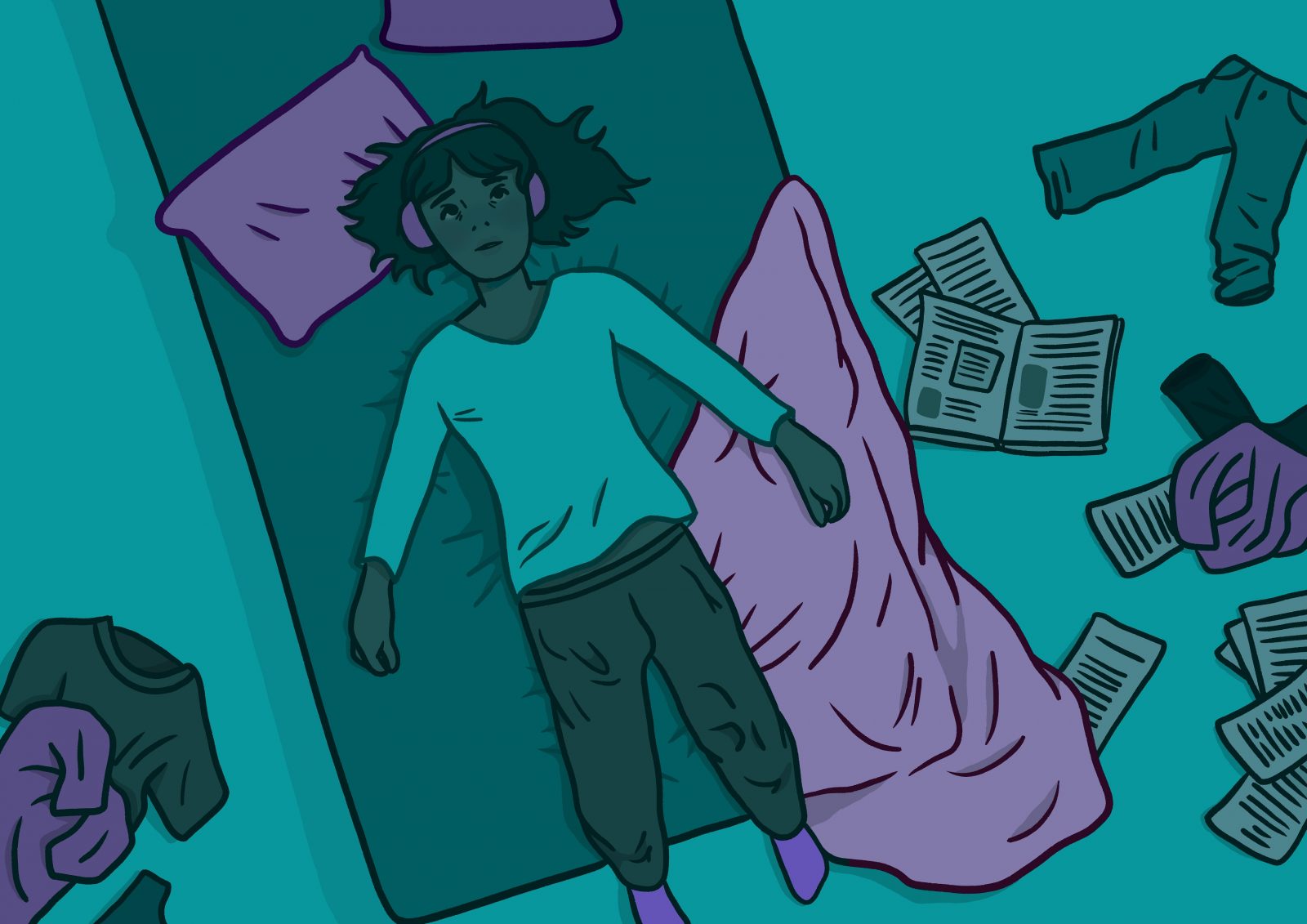
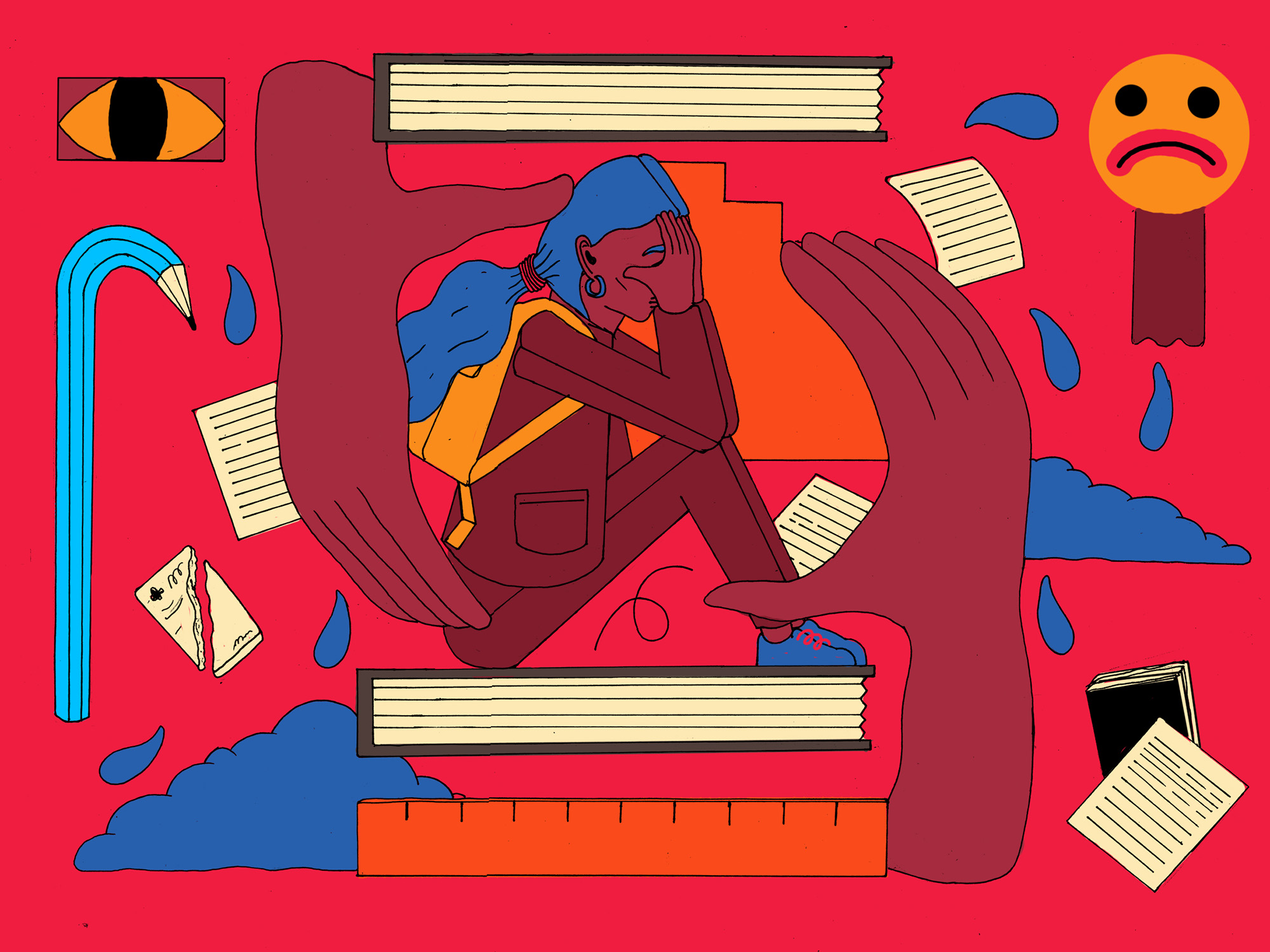
Image by: Migle Alonderyte
Young people are still reporting many mental health complaints. They did give slightly more positive answers to some questions in 2022 compared to the year before, but that’s not enough to say there’s a trend reversal, CBS believes.
“After the COVID years one could have hoped to see an improvement”, says head sociologist Tanja Traag, “but the expected decrease of mental problems amongst young people is not apparent from these figures.”
Increase in COVID years
In 2021, CBS suddenly saw more psychological complaints amongst young people. Much more often they said they had felt sombre, nervous or down in the month leading up to the survey. Previously hovering around ten percent, the figure shot up to eighteen percent in 2021. In 2022 this dropped to sixteen, CBS now reports.
As far as encouraging signs go, this is the only one. Other problems are actually increasing. For instance, every year since 2017 there’s been a rise in the number of students saying that they’ve suffered from depression in the twelve months before they took the survey. For 18- to 25-year-olds this is now seventeen percent, says CBS.
Skewed male to female ratio
Not all figures have been broken down for young people below and above the age of eighteen, nor is it possible to infer from these figures if there’s a difference between students and non-students. What is clear, is that 18- to 25-year-olds report almost double the number of psychological complaints 12- to 17-year-olds do. The male to female ratio is quite skewed as well. In 2022, twice as many women aged 18 to 25 said they were having psychological complaints than their male counterparts: 26 vs 13 percent.
Chronic sleeping problems
In addition, more and more young people are saying they’ve had ‘quite some’ to ‘very severe’ sleeping problems in the two weeks preceding the CBS visit. Until now these sleeping problems had not received as much attention, but they have been rising significantly since 2020, to 22 percent in 2022. Between 2017 and 2019 this percentage hovered around 14.
That more young people are saying they have mental problems hasn’t gone unnoticed by health psychologist Peter van der Velden of Tilburg University. He does have a critical note to add based on his own research: in general, about half the people with psychological complaints say they still have them after a year. With the other half, the complaints have decreased or even disappeared completely.
Van der Velden also observes an increase in sleeping problems. And he takes them very seriously. “Chronic sleeping problems undermine your life. This is often underestimated.”
Last week, student and welfare organisations argued for setting up a ‘headache council’ because of the increase of mental problems amongst young people.
Lees meer
-

Students are under increasing pressure, but media attention isn’t helping
Gepubliceerd op:-
Mental health
-
De redactie
Latest news
-
Letschert gives nothing away in first parliamentary debate
Gepubliceerd op:-
Education
-
Politics
-
-

Away with the ‘profkip’, says The Young Academy
Gepubliceerd op:-
Science
-
-

House of Representatives wants basic grant for university master after HBO
Gepubliceerd op:-
Money
-
Politics
-


Comments
Comments are closed.
Read more in Mental health
-
Number of suicides among young people increases
Gepubliceerd op:-
Mental health
-
-
The wellbeing of students has improved slightly
Gepubliceerd op:-
Mental health
-