Ad

‘Vulnerable people in particular are more likely to start doubting themselves’

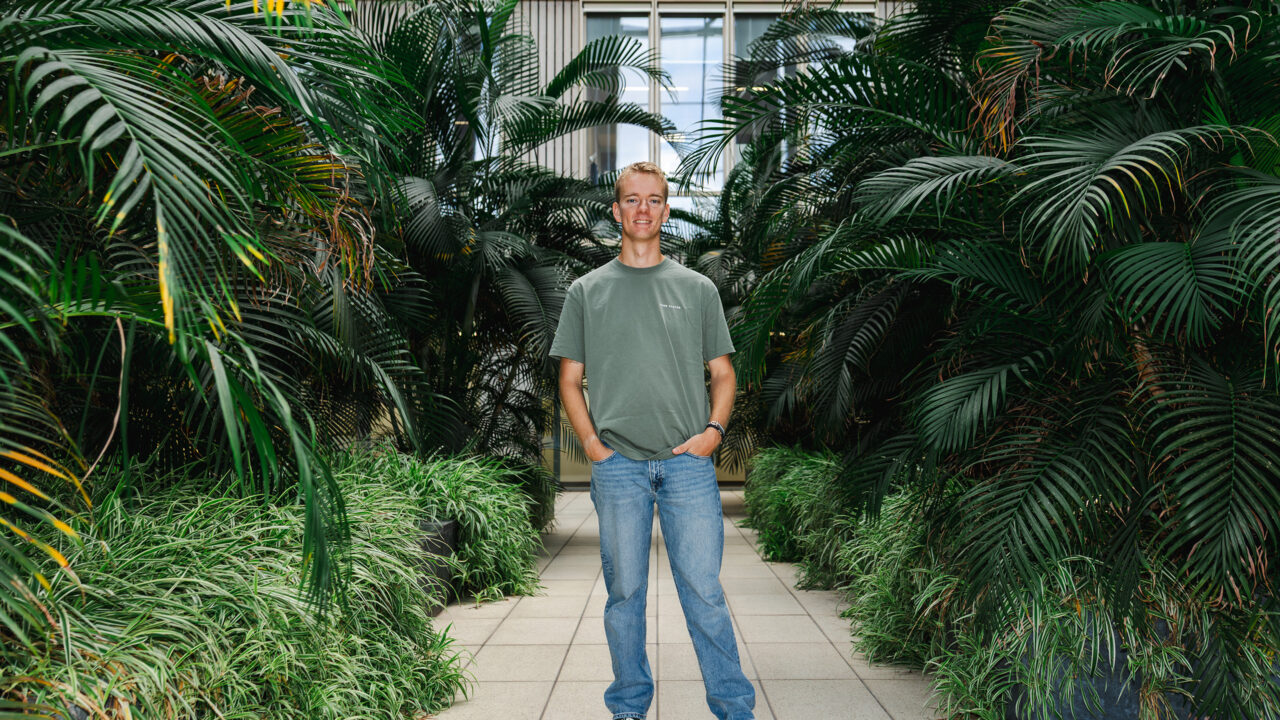
In the (Dutch spoken) podcast De Brabo en de pessimist, University Council members Erin van Gestel and Friso Roos discuss subjects that remain a sore spot for the ‘unlucky generation’. In this third episode, they talk about mental health concerns and the associated proposal to lower the binding study advice. They also take aim at State Secretary Van Ooijen, who publicly wondered whether young people actually need that much professional help.
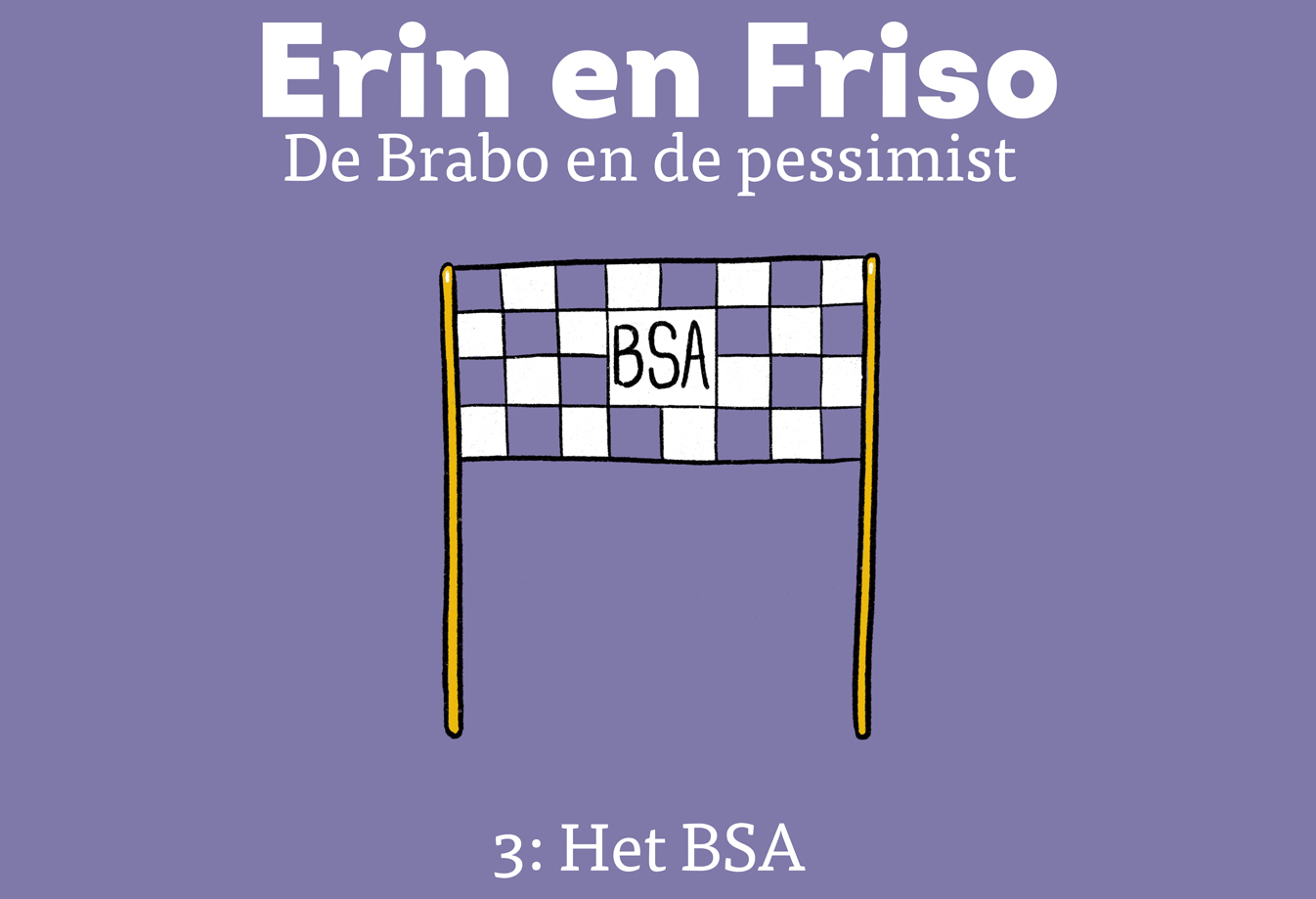
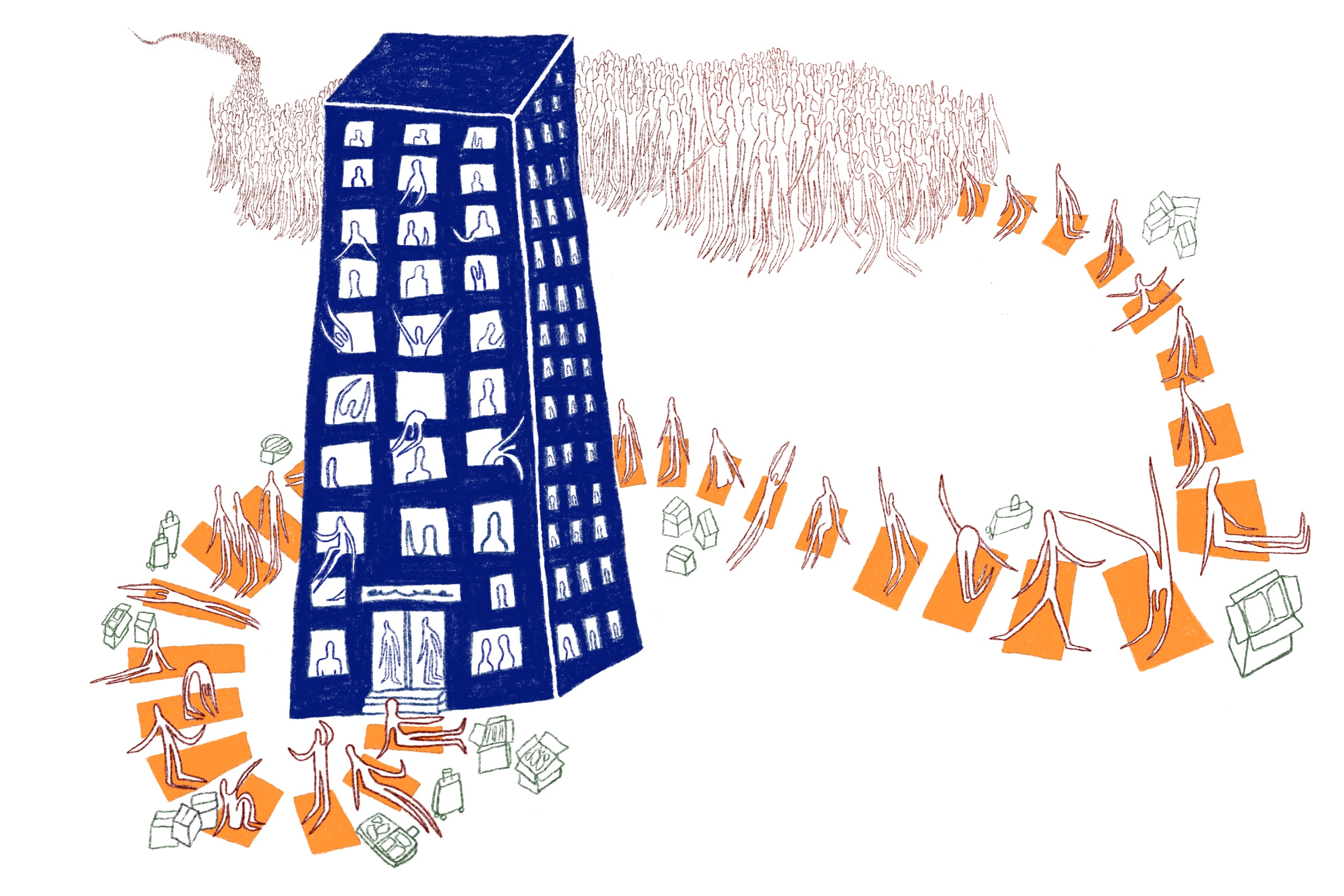
Image by: Femke Legué
Since this episode is about the stigma surrounding mental health, Friso and Erin kick things off by talking about how they themselves are doing. While Friso is less forgetful and is, on the whole, doing better now that exams are over, Erin continues to struggle, both physically and mentally, as she recovers from an accident.
Listen to the podcast below or find it in your favourite podcast app.
‘Too much mental health care’
They then discuss the comments of State Secretary Maarten van Ooijen, who has said that ‘young people are receiving too much mental health care’. Friso is amazed by the large number of young people suffering from mental health problems (almost half of them), and Erin voices her concerns about the State Secretary’s statement. “If a state secretary publicly says to ‘stop seeing your psychologist’, and the newspaper headlines repeat this, this is going to have an effect on people. And vulnerable people in particular are more likely to start doubting themselves. They might start thinking: is my mental health poor enough that I deserve to go to a psychologist?”
The conversation subsequently turns to the binding study advice and the proposal to lower the requirement from 60 to 30 credits. The idea behind the proposal is that a lower binding study advice should reduce the workload for students. The council members are both worried about the high study pressure and its potential consequences. They point out that the binding study advice is not the only cause of pressure and that other factors, such as performance pressure and personal problems, also play a role. More openness and support for students could help with this.
The episode ends with a call to help each other and not to be embarrassed to seek help.
Listen to episode 2 about climate shame
-
Brabo en de Pessimist #2: ‘A better climate starts with yourself’
Gepubliceerd op:-
Student life
-
De redactie
-
 Elmer Smaling
Deputy editor-in-chief
Latest news
-
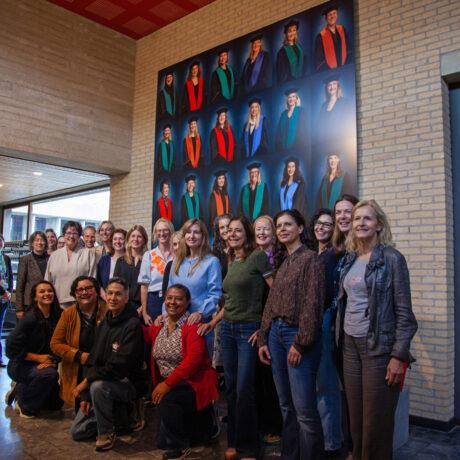
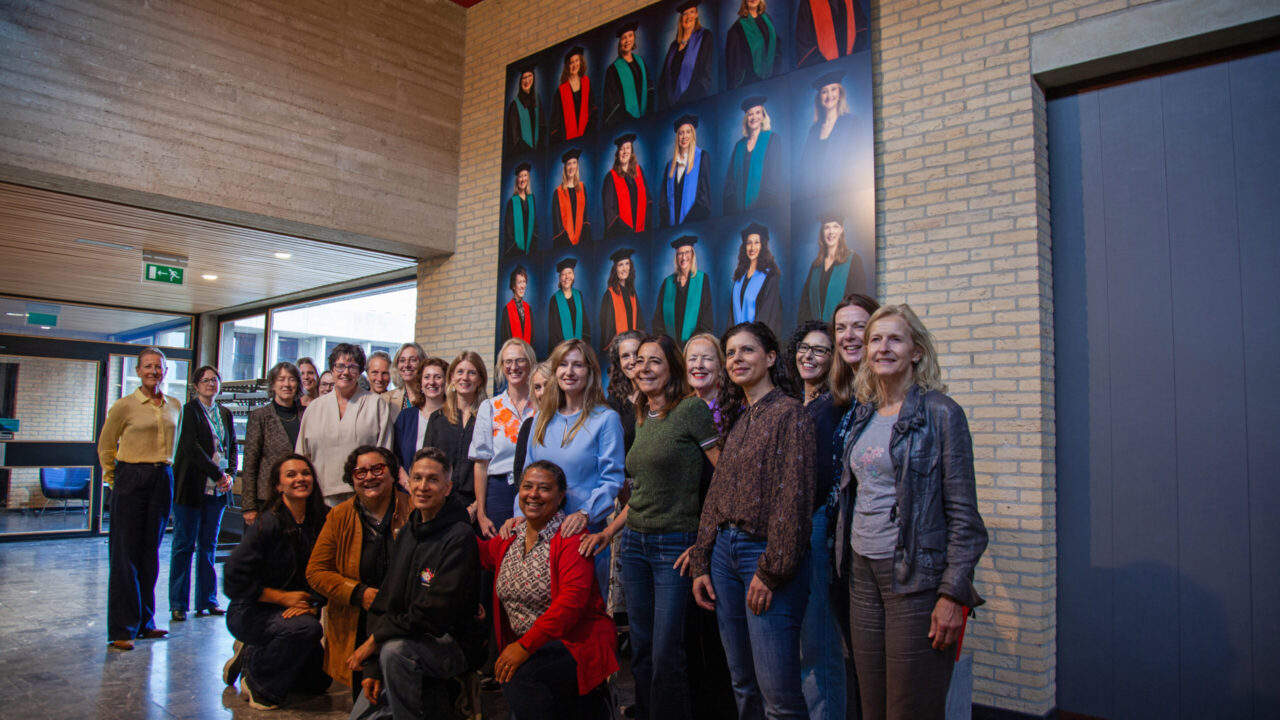
Erasmus Building gallery expanded with 48 portraits of female professors
Gepubliceerd op:-
Diversity
-
-
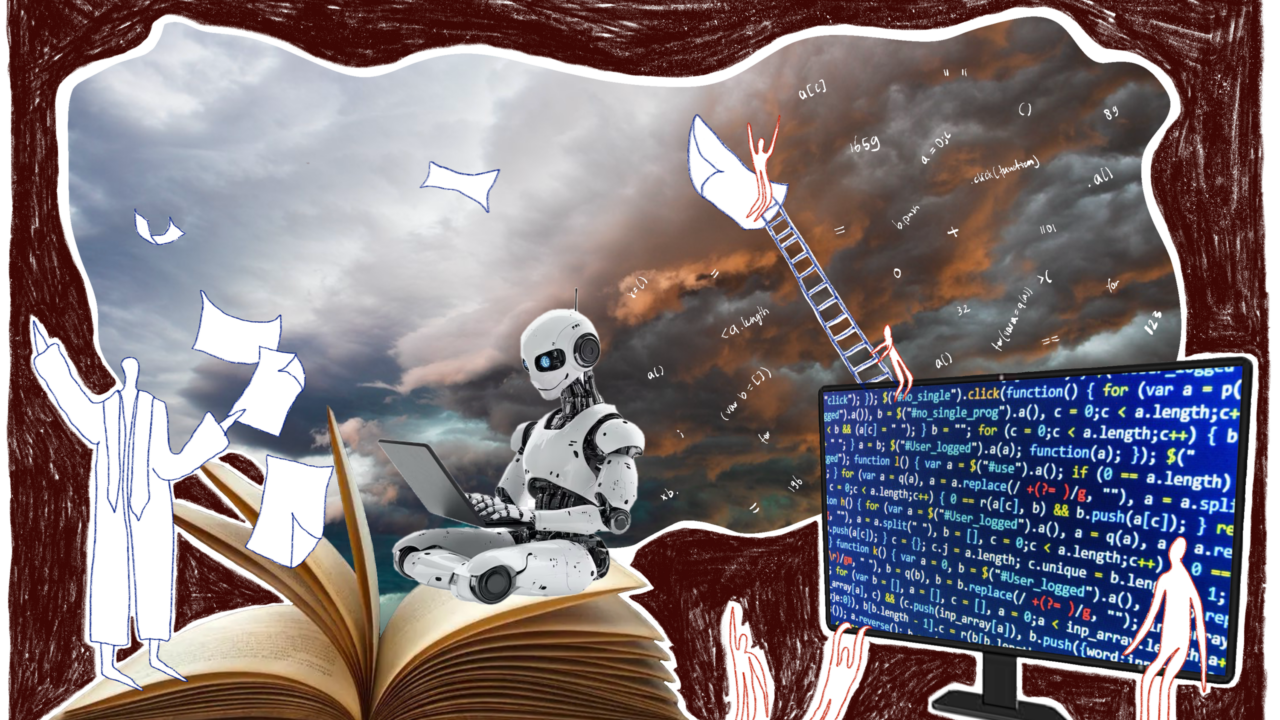
‘If anyone should be thinking about the effects of AI on society, it is scientists’
Gepubliceerd op:-
Artificial Intelligence
-
Science
-
Comments
Comments are closed.
Ad
Read more in Student life
-
18-year-old student dies after ‘hazing party’ in France
Gepubliceerd op:-
Student life
-
-
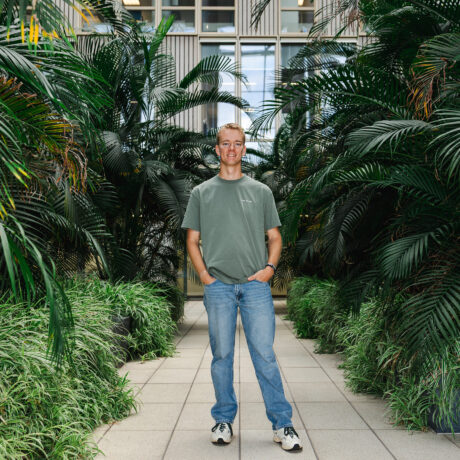
Jasper has lost his carefree outlook since the attack on Erasmus MC, but the experience will make him a better doctor
Gepubliceerd op:-
Mental health
-
-
Government sets aside millions extra for student accommodation construction
Gepubliceerd op:-
Housing
-