Ad

Annual 15 million euro grant for ‘sticky campus’, gender-neutral toilets and meditation rooms
Research universities and universities of applied sciences have reached agreements with student organisations ISO and LSVb on gender-neutral toilets, meditation rooms, better information provision and a ‘sticky campus’. The Ministry of Education, Culture and Science is allocating 15 million euros to improve student well-being.

Image by: Elzeline Kooy
The mental well-being of students still leaves much to be desired. Almost half are struggling with mental health problems, according to the Trimbos Institute, and Statistics Netherlands has also noted an increase in mental health problems.
In the summer of 2022, Minister Dijkgraaf agreed with research universities and universities of applied sciences to prioritise student well-being. He is making 15 million euros available for it annually. Institutions must spend the money on four themes. Another condition is that they coordinate their policies with the Dutch National Student Association ISO and the Dutch Student Union LSVb.
Sticky campus
That has now happened: this morning saw the publication of the National Framework for Student Well-being. With regard to the theme of ‘a sense of belonging’, it has been agreed that institutions will foster an inclusive study environment, with facilities such as meditation rooms and gender-neutral toilets, in the hope that more students will feel at home during their studies.
Another tool is the ‘sticky campus’: a place where students like to come even when they don’t have classes. This requires informal teaching spaces, ‘where students can meet for various activities, such as eating together, studying, working together and having fun’.
Pizza sessions
Furthermore, it is important that students are actively involved in ideas to improve their well-being. This can be done through employee participation, but also through informal sessions (‘pizza sessions’).
Needless to say, institutions have promised to take preventive measures against stress. They want to inform first-year students properly about what to expect and what facilities are available to them. In doing so, they will pay particular attention to students without highly educated parents and students with disabilities.
Lecturers and student counsellors who need it will receive training to identify any problems that students might have and refer them to a counsellor or psychologist. Lastly, institutions will step up their cooperation with GPs, addiction services and mental health institutions.
From pillar to post
ISO president Demi Janssen welcomes the agreements and hopes that research universities and universities of applied sciences will tackle the problem at its core. “Students experiencing mental health problems are still often sent from pillar to post. It’s good that help is being offered, but it’s only useful if students can find that help.”
Is 15 million euros a year enough for all the institutions to realise all their plans? “You obviously need resources to get things done, but it’s even more important that institutions are willing to really engage with students on this.”
Read more
-

Students are under increasing pressure, but media attention isn’t helping
Gepubliceerd op:-
Mental health
-
De redactie
Latest news
-

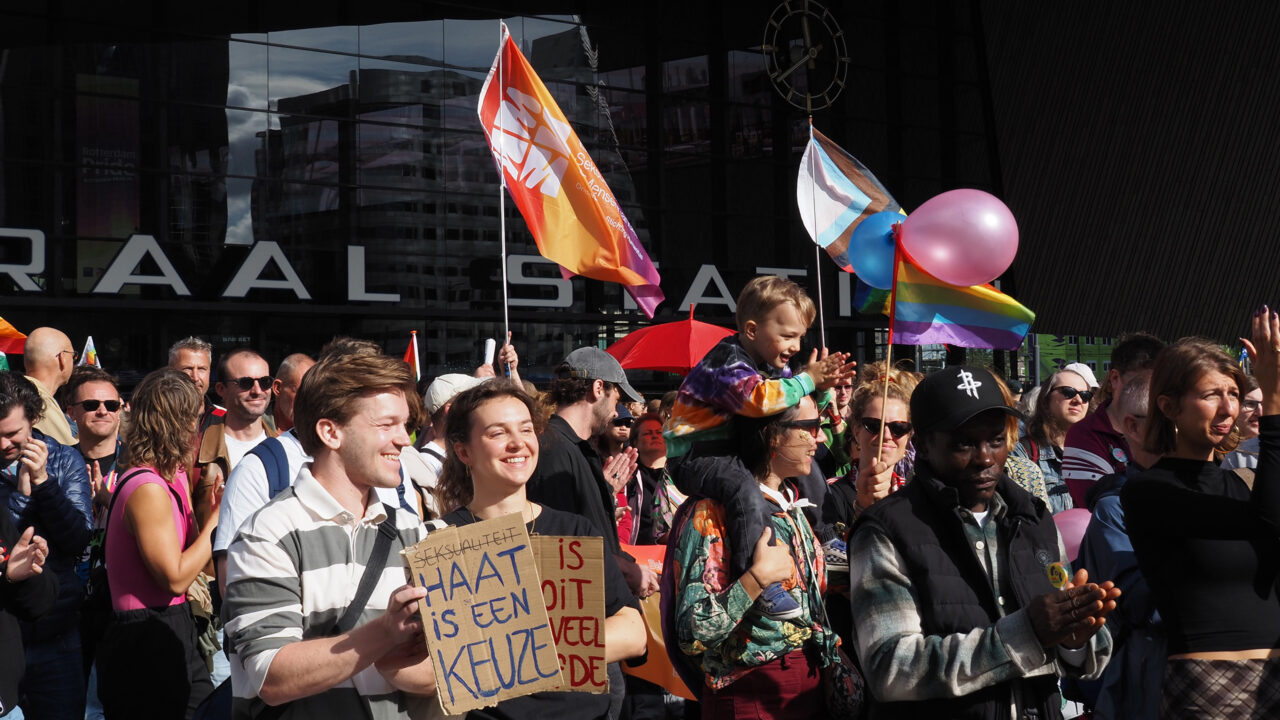
Students and staff join the Pride March: ‘We must stand up for this community’
Gepubliceerd op:-
Diversity
-
-

EM TV newsflash: Too many internationals, too many information platforms and more collaboration with the military
Gepubliceerd op:Article type: Video-
EM TV
-
-
18-year-old student dies after ‘hazing party’ in France
Gepubliceerd op:-
Student life
-

Comments
Comments are closed.
Ad
Read more in Campus
-
Students and staff join the Pride March: ‘We must stand up for this community’
Gepubliceerd op:-
Diversity
-
-

After a second compensation payment, that must be it for students who missed out
Gepubliceerd op:-
Money
-
Politics
-
-
Far-right extremists use campuses to normalise their ideas
Gepubliceerd op:-
Politics
-