Ad

Sometimes Sociology student Elisa Weehuizen feels at home, sometimes she doesn’t
Elisa was born in the Netherlands, but her mother is from Nigeria. Because she grew up in this country, speaks the language and regards Dutch culture as her own, she is completely accepted and feels completely at home here – also on campus. “Most of the time, anyway.”
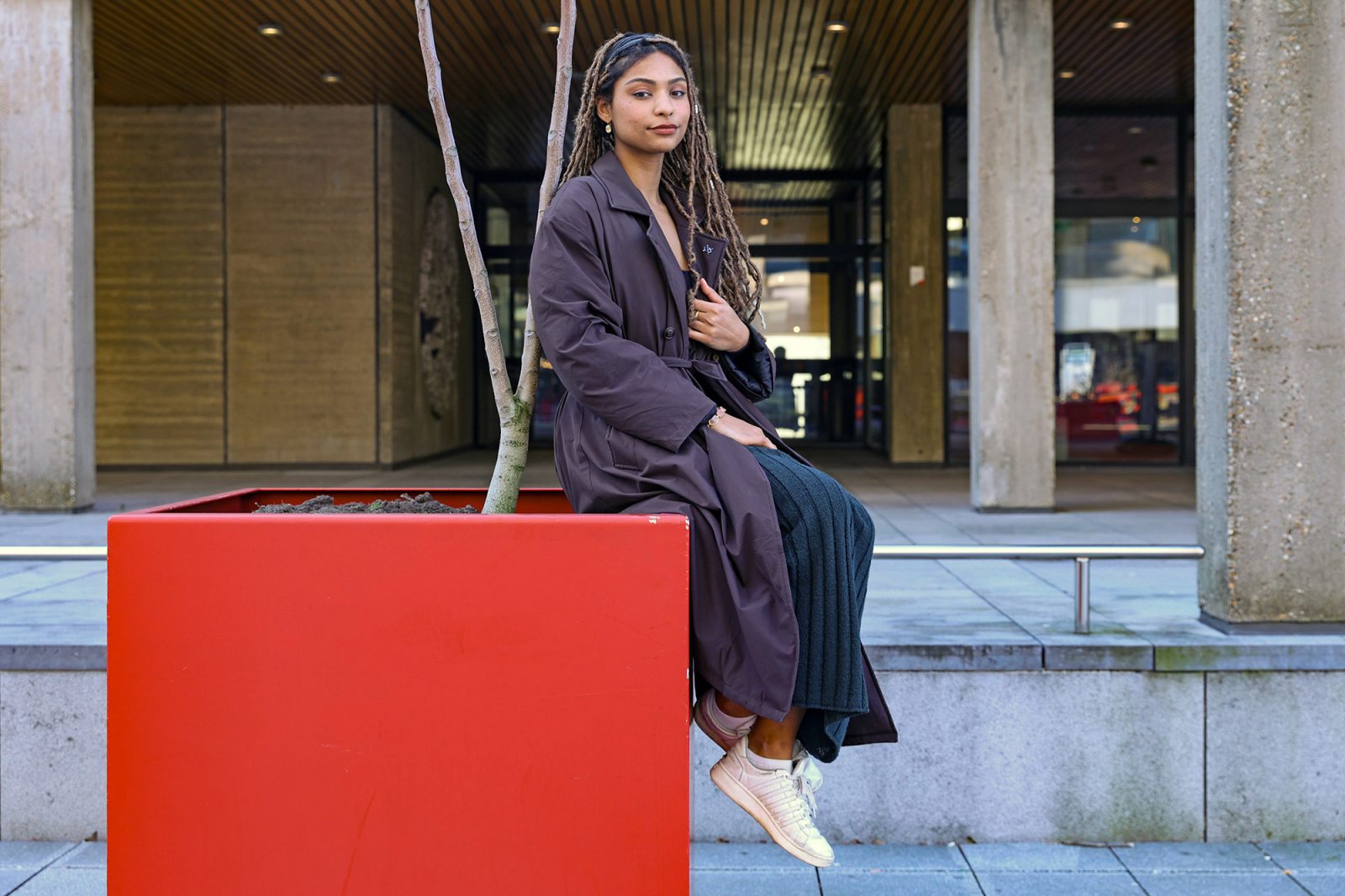
There are times when Elisa does not feel completely at home at the university. “It’s important that we all take responsibility for remaining critical when it comes to stereotypes.”
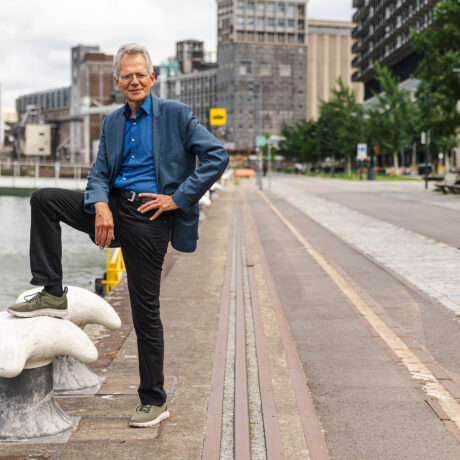
Image by: Sanne van der Most
“My mother had a pretty tough time when she came to Europe from Nigeria. As a result, I’ve known from a young age what it’s like for people who move here from a very different country. Personally, I’ve always lived in the Netherlands, so culturally speaking I simply feel Dutch. That makes a huge difference. Because I’m Dutch and really am regarded that way, Dutch student life didn’t come as a shock to me. When I started studying, I tried out all kinds of different associations: tennis, sailing, investing, you name it. I made a lot of nice friends there and had some great times. That’s the kind of thing that makes me feel at home.
‘When we’re taught about great thinkers in philosophy, economics and sociology, it’s very much centred around our part of the world’
“However, there are also times when I feel less at home. This is a very international university, so you might think it would be a progressive hub. In some ways, it is – but still not enough. Look at the curriculum, for example; much of the knowledge production is pretty Eurocentric. When we’re taught about great thinkers in philosophy, economics and sociology, it’s very much centred around our part of the world. The further away the students originally come from, the more they notice that. We’re becoming increasingly international, so in the long run this just isn’t sustainable. Decolonising the curriculum would be a sensible idea.
Read more
-
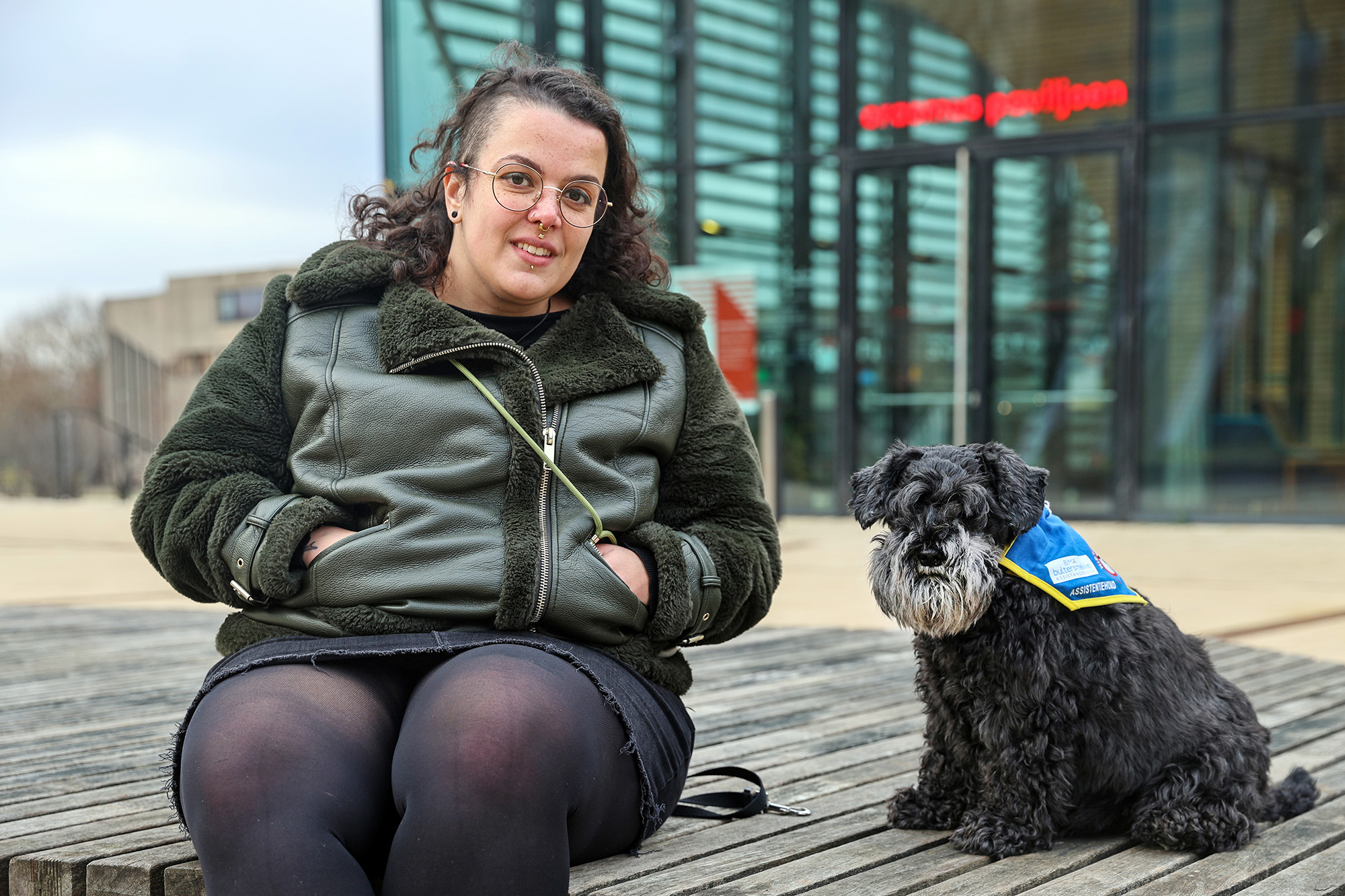
Simone Le Comte feels at home as long as Lotte can go to work with her
Gepubliceerd op:-
Diversity
-
“EUR sometimes falls short in other areas as well. I’m the vice president and marketing officer of ASAH, which stands for Association of Students of African Heritage. In principle, we’re just a student association. In our case, however, the central focus is on African culture and creating a space in which students can express their cultural identity. While it’s obviously nice that we’re being afforded this opportunity, there’s still the occasional misstep, like when our association was invited to the university’s anniversary a few months ago. Even though they had all the details of plenty of other associations to hand, they didn’t even know our name. That doesn’t really feel quite right. During Eurekaweek, the organisers referred to us and other cultural associations like us as ‘those multiculturals’. We were also given less time to present ourselves than the other associations. So does that mean we’re less important somehow?
Read more
-
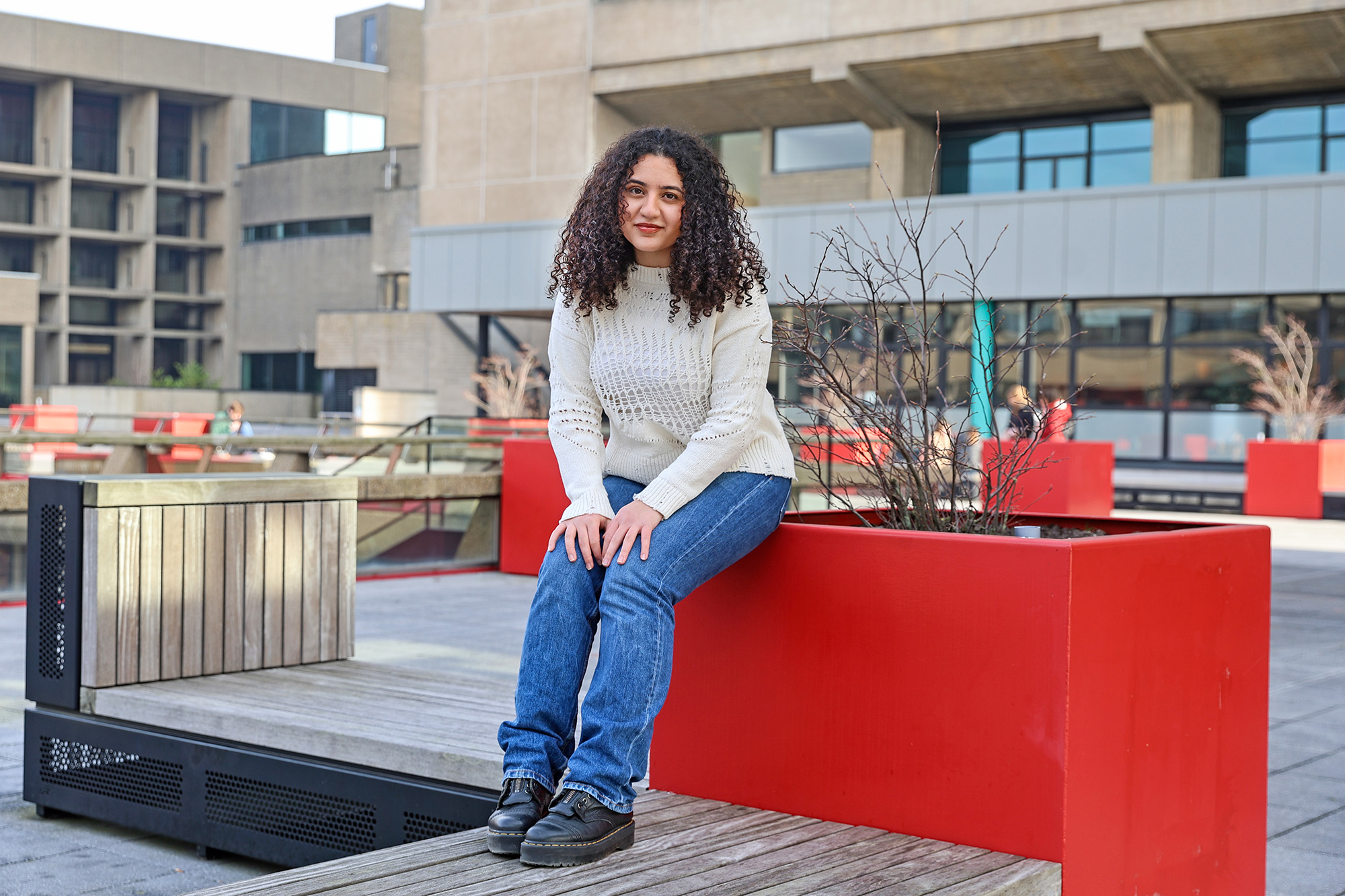
It was not until studying Medicine that Baasnne felt at home at a school
Gepubliceerd op:-
Diversity
-
“In any case, this shows that the conversation about how to deal with people with a different cultural identity isn’t always conducted very well. And then there are the little things between students themselves, like being called a ‘multicultural’ or people looking at you strangely because of what you eat. Sometimes, you also hear of people with an afro haircut being asked whether they’ve had an electric shock. Those kinds of things still happen, you know. It’s precisely those things that make people feel different, which is why it’s important to have an African student association. We offer a place where you don’t experience things like that, but we also keep the university on its toes – for example by constantly pointing out that it should take cultural student associations seriously. It’s important that we all take our responsibility to remain critical when it comes to stereotypes and not to be afraid of feedback. It’s something we can learn from, after all.”
Read more
-
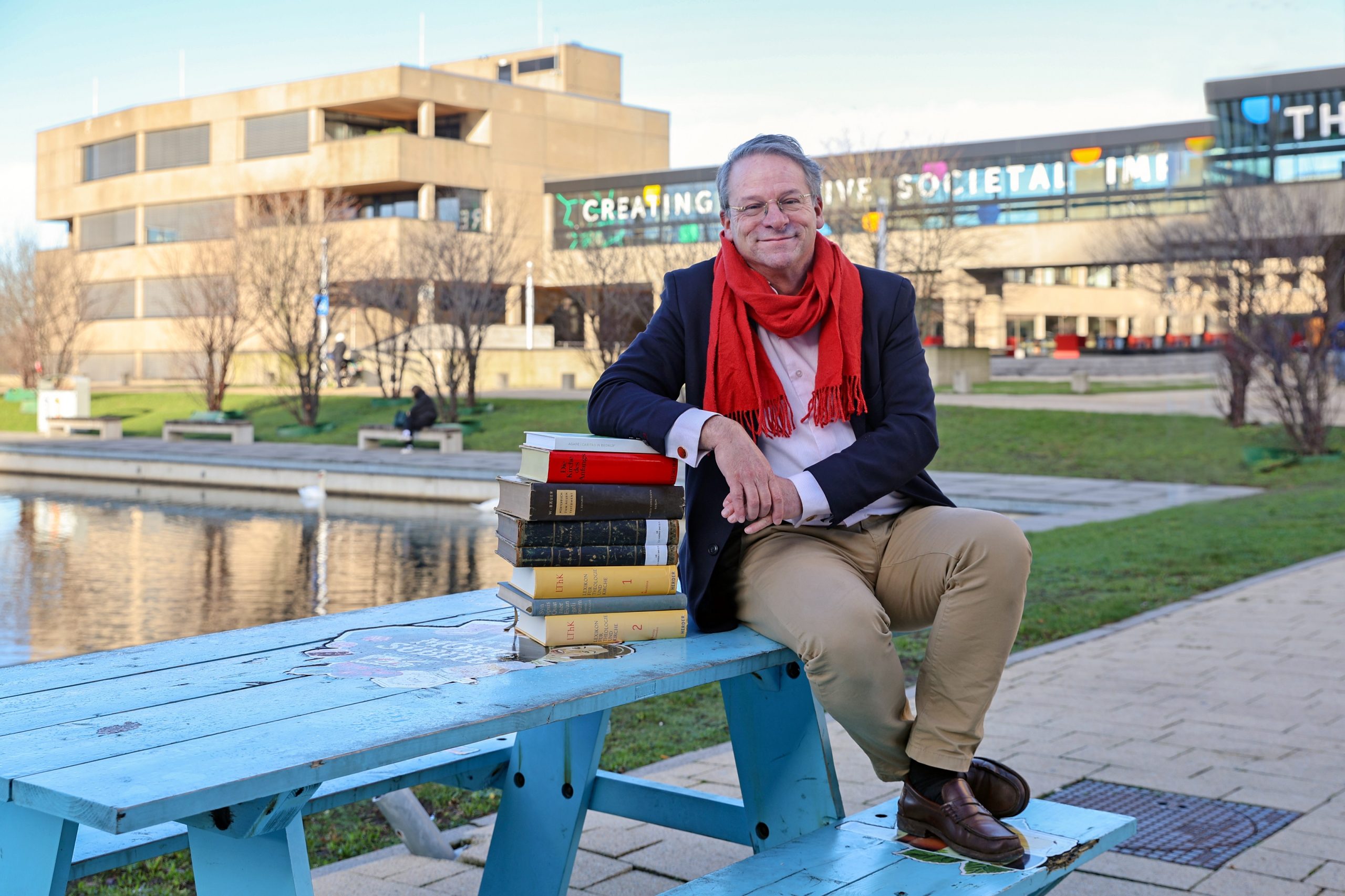
Theology professor Paul van Geest feels perfectly at home in the world of economics
Gepubliceerd op:-
Diversity
-
De redactie
-
 Sanne van der Most
Auteur / Fotograaf
Latest news
-
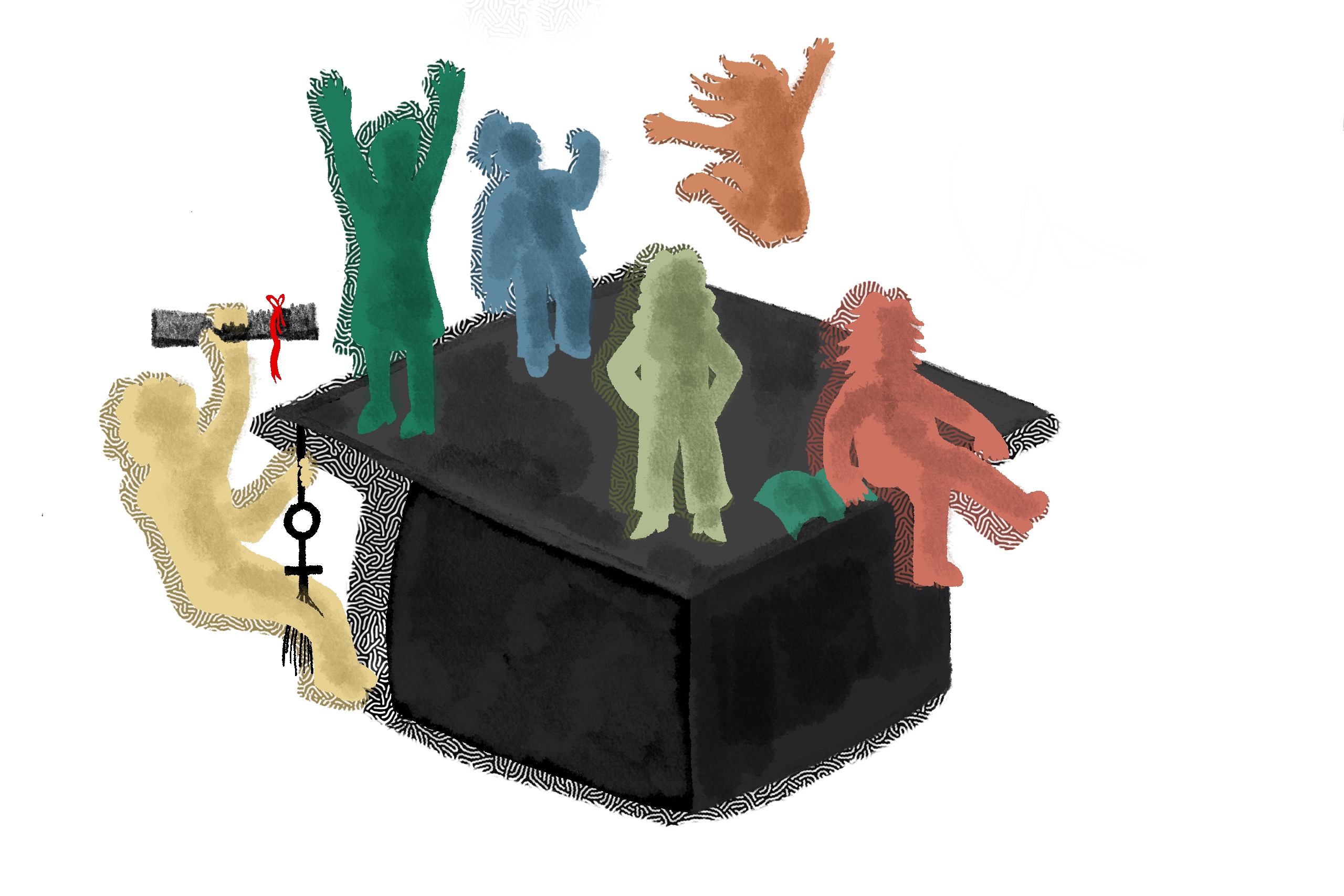
TU Delft may not favour women in admissions to courses
Gepubliceerd op:-
Education
-
-

Hate campaigns and political pressure: KNAW wants legal protection for academic freedom
Gepubliceerd op:-
Science
-
-
Signing up for a Dutch course ‘feels like a race’, no more places available for now
Gepubliceerd op:-
Internationalisation
-

Comments
Comments are closed.
Ad
Read more in Diversity
-
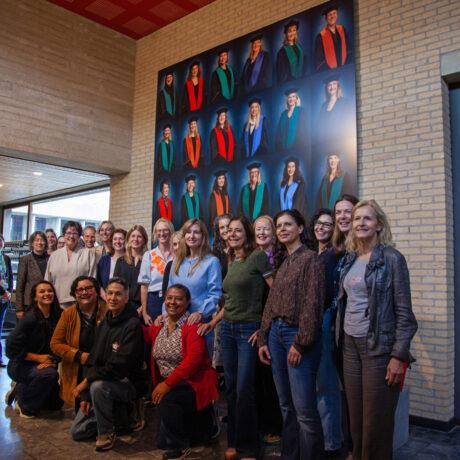
Erasmus Building gallery expanded with 48 portraits of female professors
Gepubliceerd op:-
Diversity
-
-
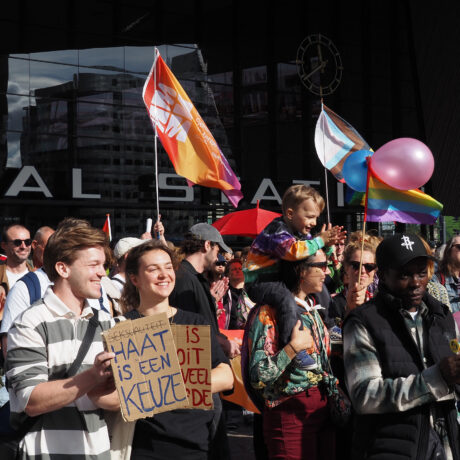
Students and staff join the Pride March: ‘We must stand up for this community’
Gepubliceerd op:-
Diversity
-
-
‘Broederliefde and the kapsalon are the cultural heritage of the future’
Gepubliceerd op:-
Diversity
-
Staff
-