Students are not delicate plants
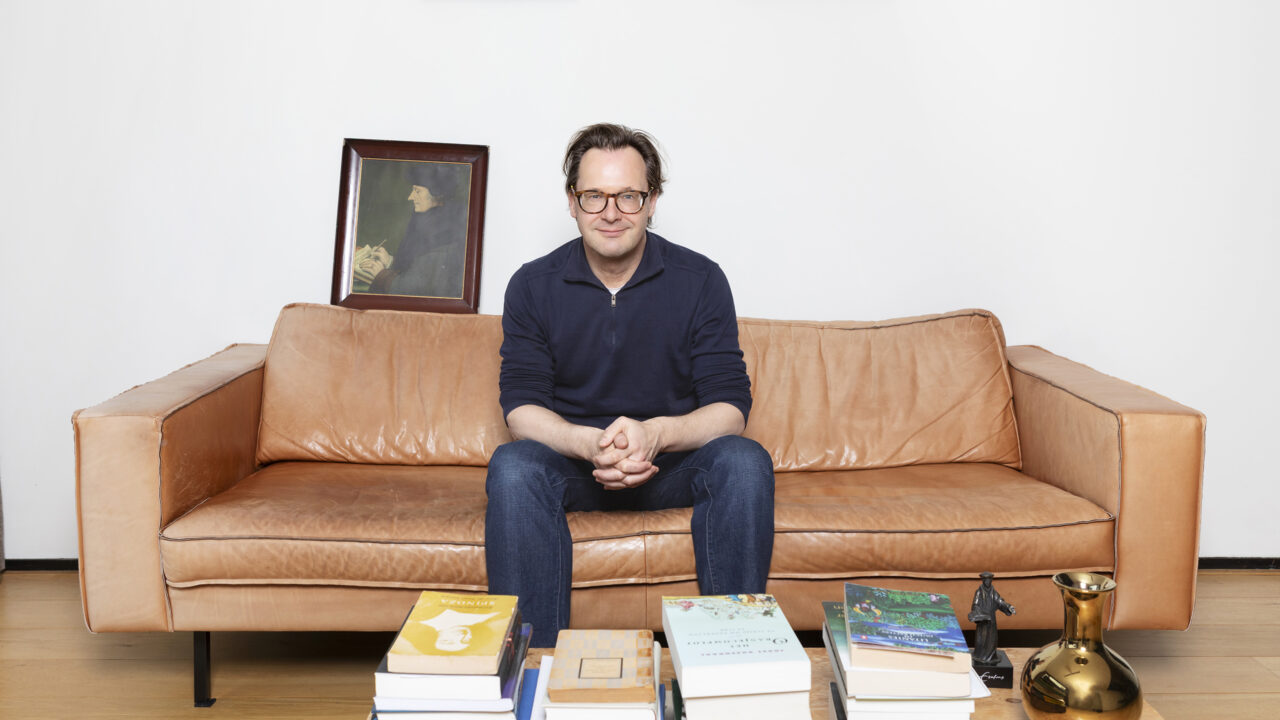
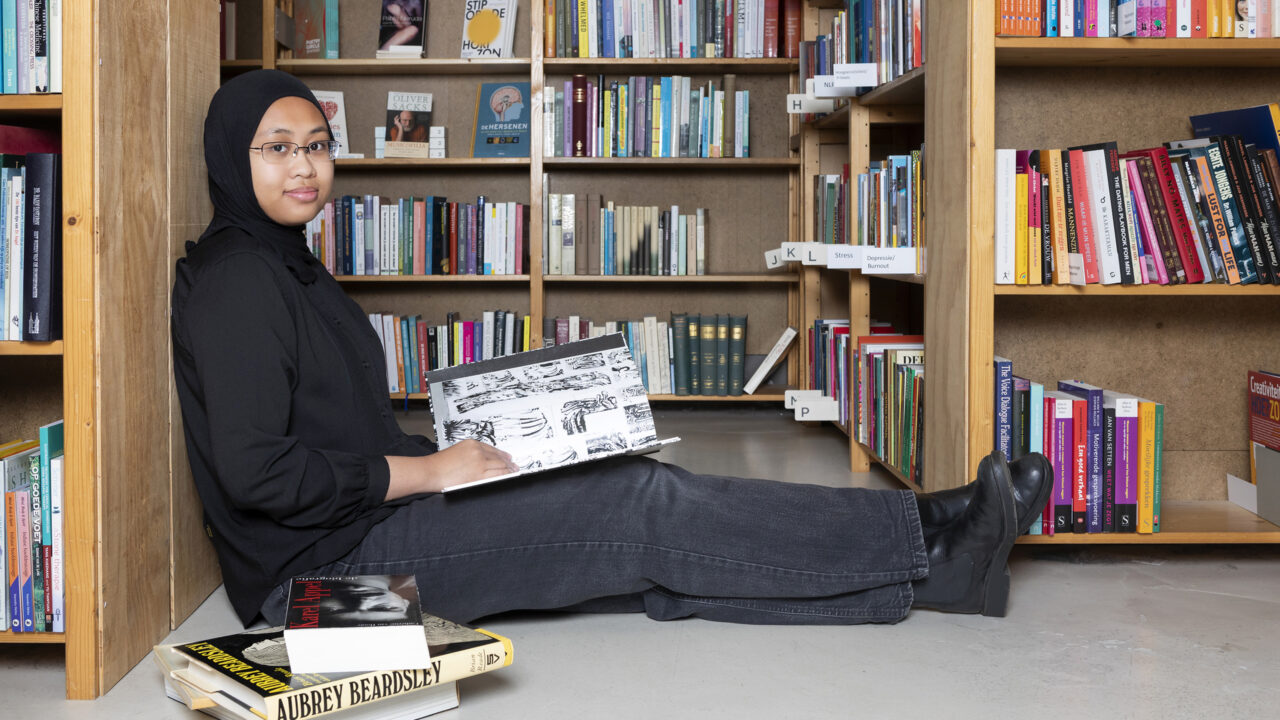
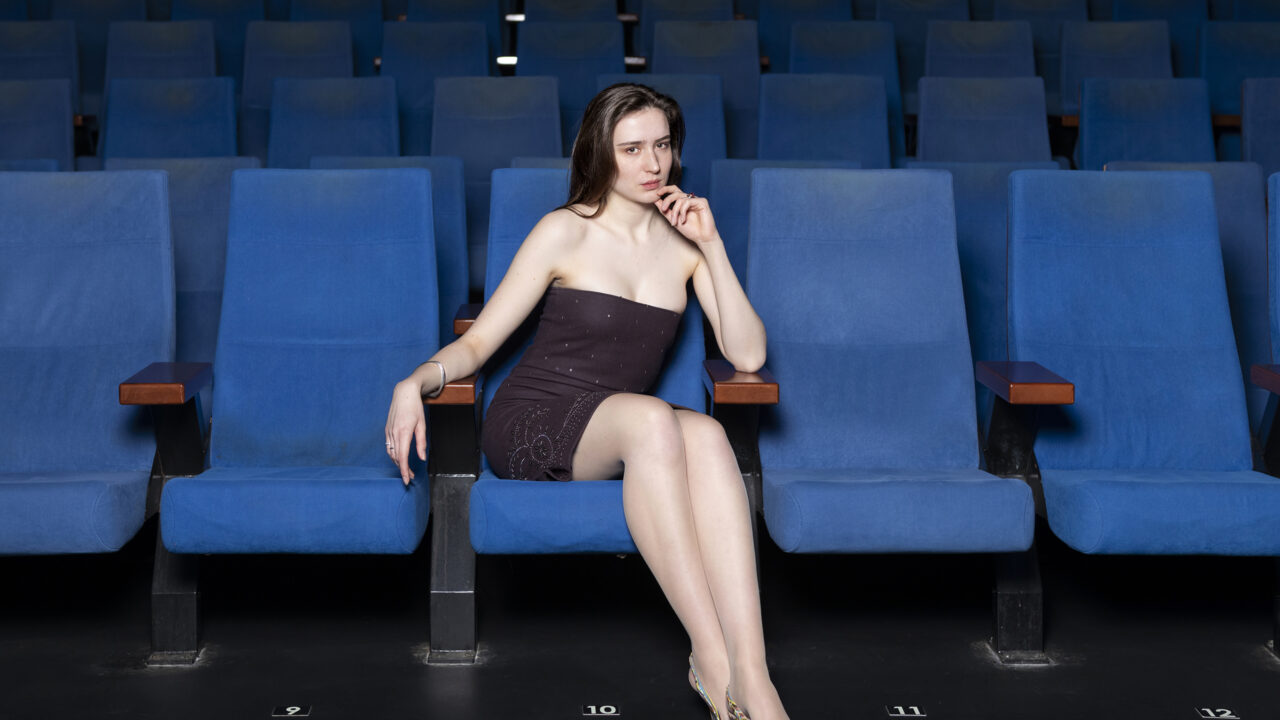
“Don’t turn students into delicate plants.” This was the sentence with which Bas van den Putte concluded a striking opinion piece in Folia – the Amsterdam counterpart to Erasmus Magazine.

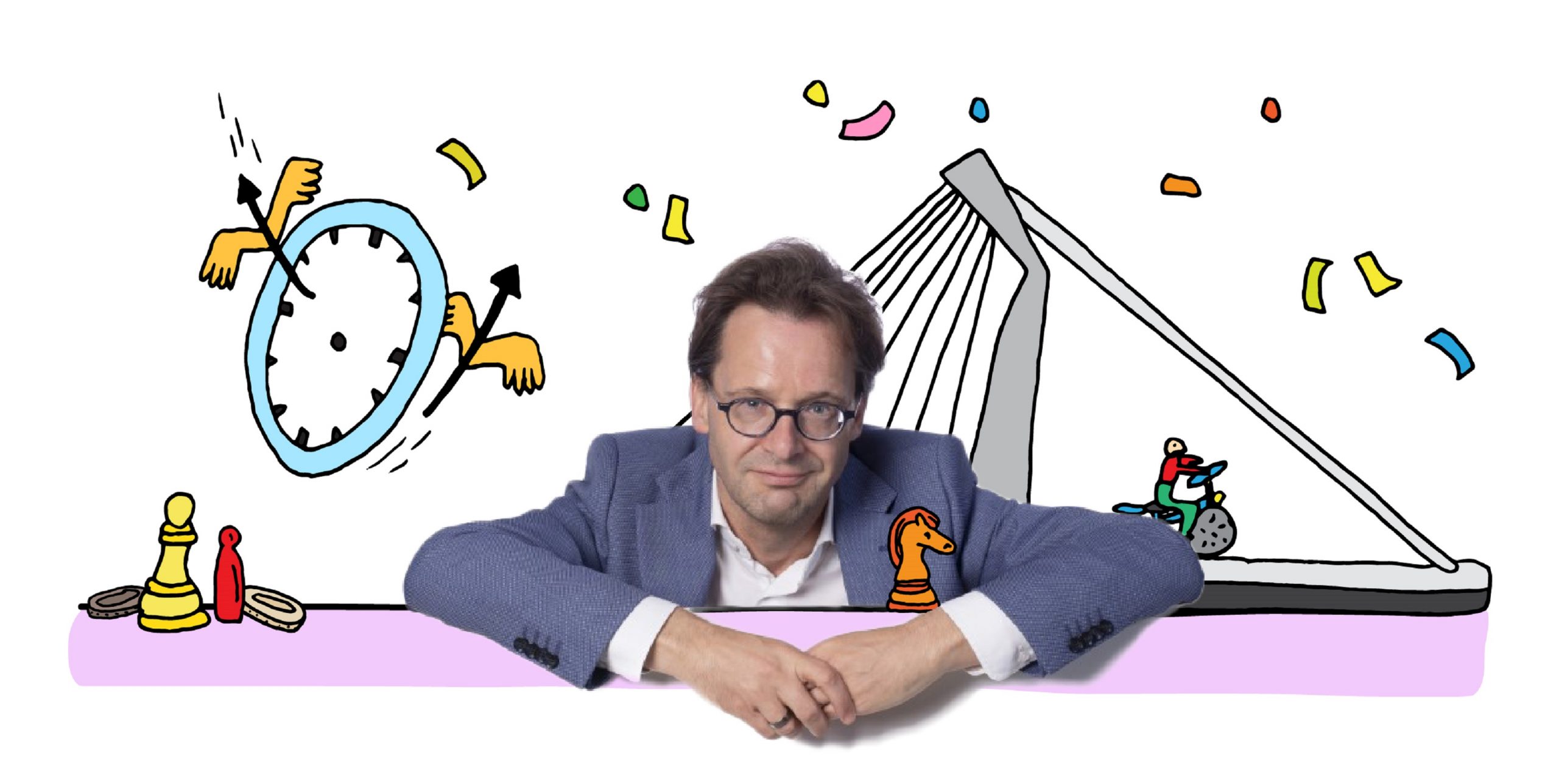
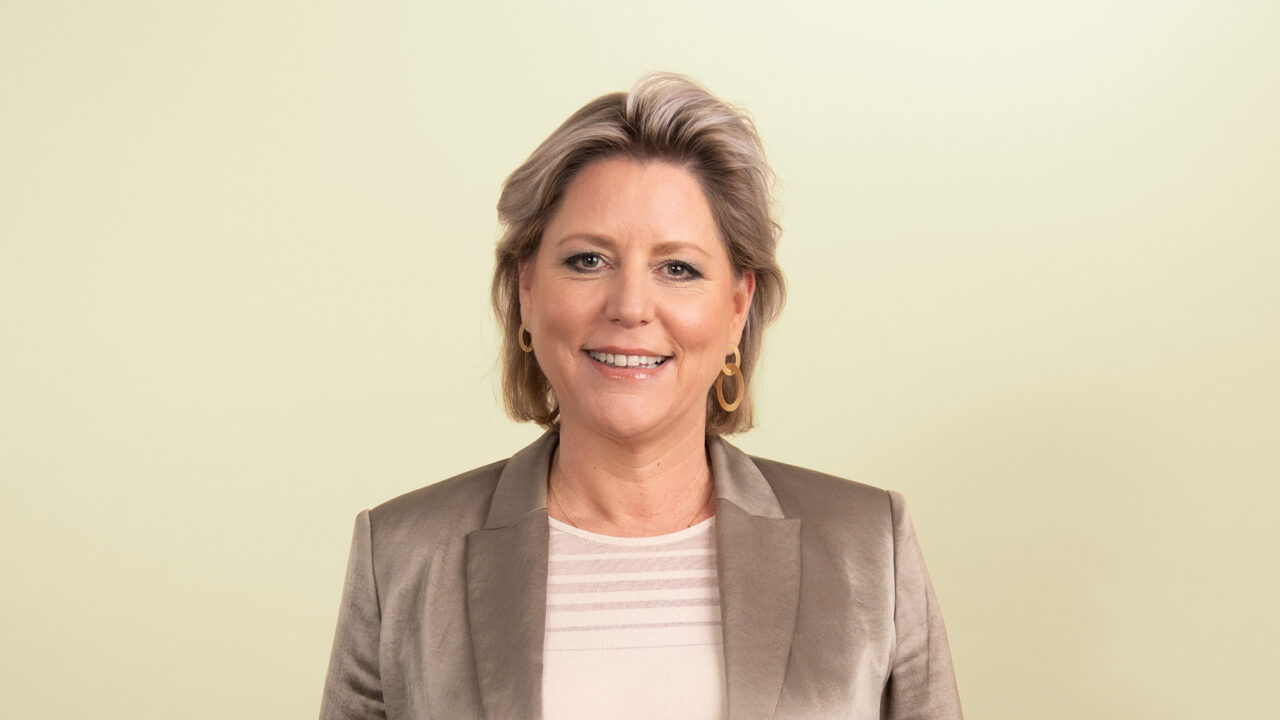
Image by: Levien Willemse, Pauline Wiersema
This University of Amsterdam Professor of Communication writes that his students often say they feel ‘unsafe’ when he wants to ask them a question, for instance about the texts they have read, themes they have discussed or the answers of other students. Do students have the right to take the position of passive consumers, or do lecturers have the duty to teach in a way that involves ‘responding to the opinions of others in a reasoned and substantiated manner’? Van den Putte holds the latter viewpoint, even if simply because his Communication students will require this skill in their future work.
This opinion piece reads like a distress call, from a lecturer who feels uncomfortable with the new University of Amsterdam policy about social safety. Afraid he might be accused of creating a ‘socially unsafe situation’ in his seminars and lectures.
People are more outspoken than ever before: we see opinions come and go on social media, and not infrequently expressed in highly emotional ways. But in person we seem more timid, and it sometimes feels difficult to have a discussion. I see this impression confirmed in a recent population study by the Social and Cultural Planning Bureau (SCP), which indicates that people are worried about this polarisation. Among other things, this is said to be expressed in ‘a lack of dialogue and an unwillingness to listen to each other’.
‘Questions that need to be challenging and that can also be uncomfortable are necessary to get people out of their comfort zone of feeling right’
If I could no longer ask students questions, then I don’t know how I’d be able to give lectures. Certainly not for philosophy. A thinker such as Socrates did exactly this: he went out onto the marketplace in Athens and asked young people all kinds of questions. Until they got sick of it – and then he kept on asking. Up until the point that his students presented answers that the philosopher could no longer refute. For Socrates, asking the right questions meant learning to think better: a skill that you needed to practice when you were young and that you needed to keep up when you were old. Questions that need to be challenging and that can also be uncomfortable – which is necessary to get people out of their own comfort zone of feeling right. It’s only by entering into discussions that we can further develop our own thinking.
We can rest assured: students are not delicate plants, and they won’t become this either. But we still need to take the concerns of professors like Bas van den Putte seriously, regarding the fear of debate in the lecture hall. This seems part of a wider development that we see reflected in the study by the SCP: people say that generally they find it hard to talk to each other and to enter into discussions with other people. Not only in the lecture hall, but everywhere in society. A safe learning environment doesn’t mean a space where debate is avoided, but instead a seminar or lecture where students can raise all questions. Because you can’t learn anything without asking questions, as philosophers have been showing us ever since Socrates.
Ronald van Raak is Professor of Erasmian Values.
Read more
-
It’s not the protests that are the problem, it’s our relationship with Shell
Gepubliceerd op:-
Column
-
De redactie
Latest news
-
Letschert gives nothing away in first parliamentary debate
Gepubliceerd op:-
Education
-
Politics
-
-
Away with the ‘profkip’, says The Young Academy
Gepubliceerd op:-
Science
-
-
House of Representatives wants basic grant for university master after HBO
Gepubliceerd op:-
Money
-
Politics
-

Comments
Comments are closed.
Read more in Column
-
Minister Letschert and the academic tower
Gepubliceerd op:-
Column
-
-
Spinach seed wounds
Gepubliceerd op:-
Column
-
-

Leftover dame blanche
Gepubliceerd op:-
Column
-