Cabinet considers basic grant of 255 euros

As of September 2023, students will receive a basic grant again. Tomorrow Minister of Education Robbert Dijkgraaf wants to send a letter about this to the Dutch Parliament, but some of the plans have been leaked via the AD newspaper.
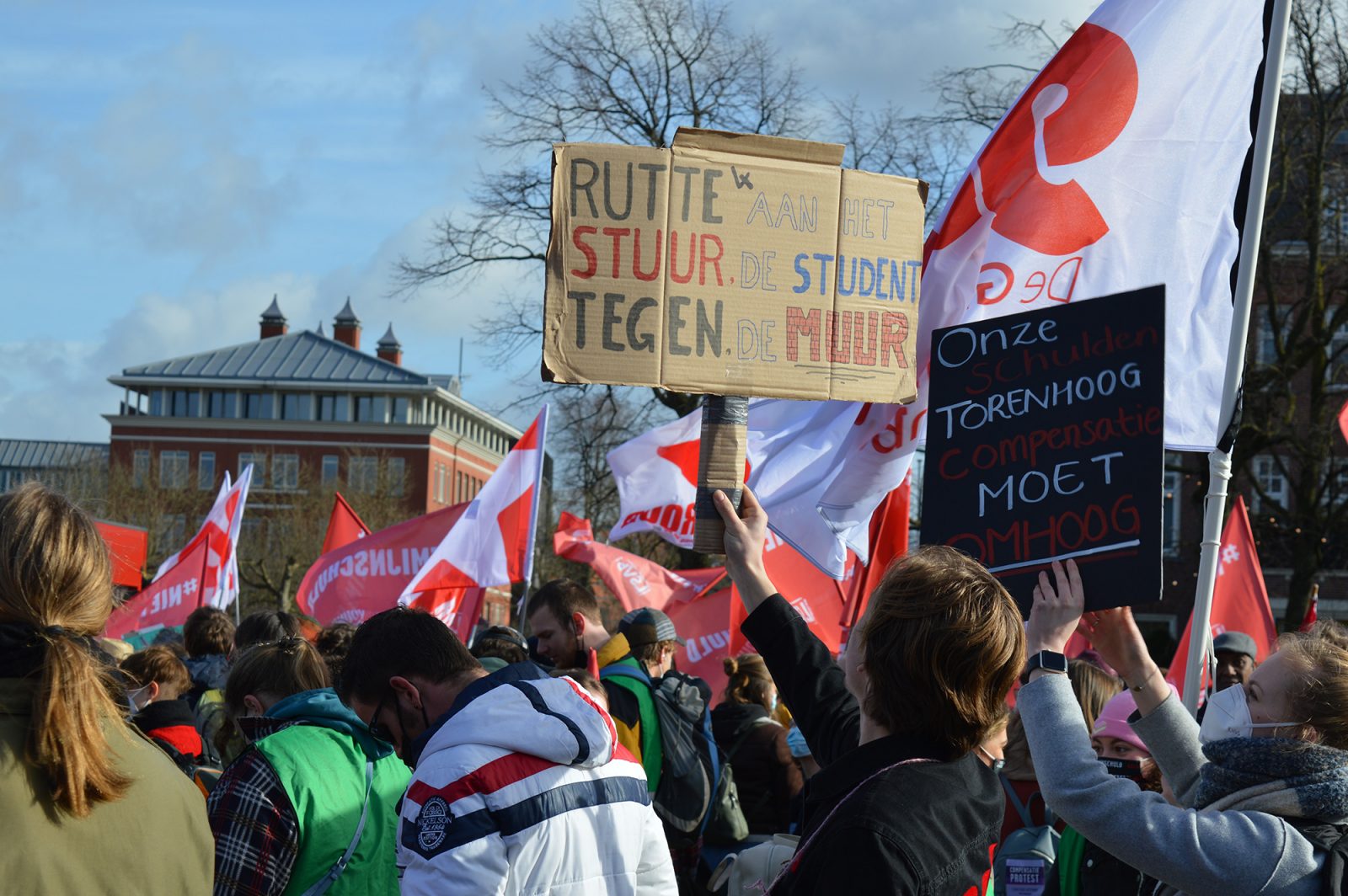
Image by: Josephine Hartmann
The new basic grant would be lower than before, but the supplementary grant would be higher. This is intended for students from low-income families. The supplementary grant would amount to a maximum of 419 euros if the parental income is below 34,600 euros (the old limit was around 33 thousand euros).
| New | Old | |
| Living away from home | 255 | 312 |
| Living at home | 91 | 112 |
| Supplementary grant | 419 | 299 |
New: according to AD. Old: basic grant according to DUO.
The government has also calculated other possibilities, the AD reports, so that the Lower House can make a proper assessment.
It is not yet known whether the basic grant will only apply to new first-year students, who start in September 2023, or also to students who already start next year. The universities of applied sciences in particular want clarity on this quickly to prevent lower numbers of enrolment.
Read more
-
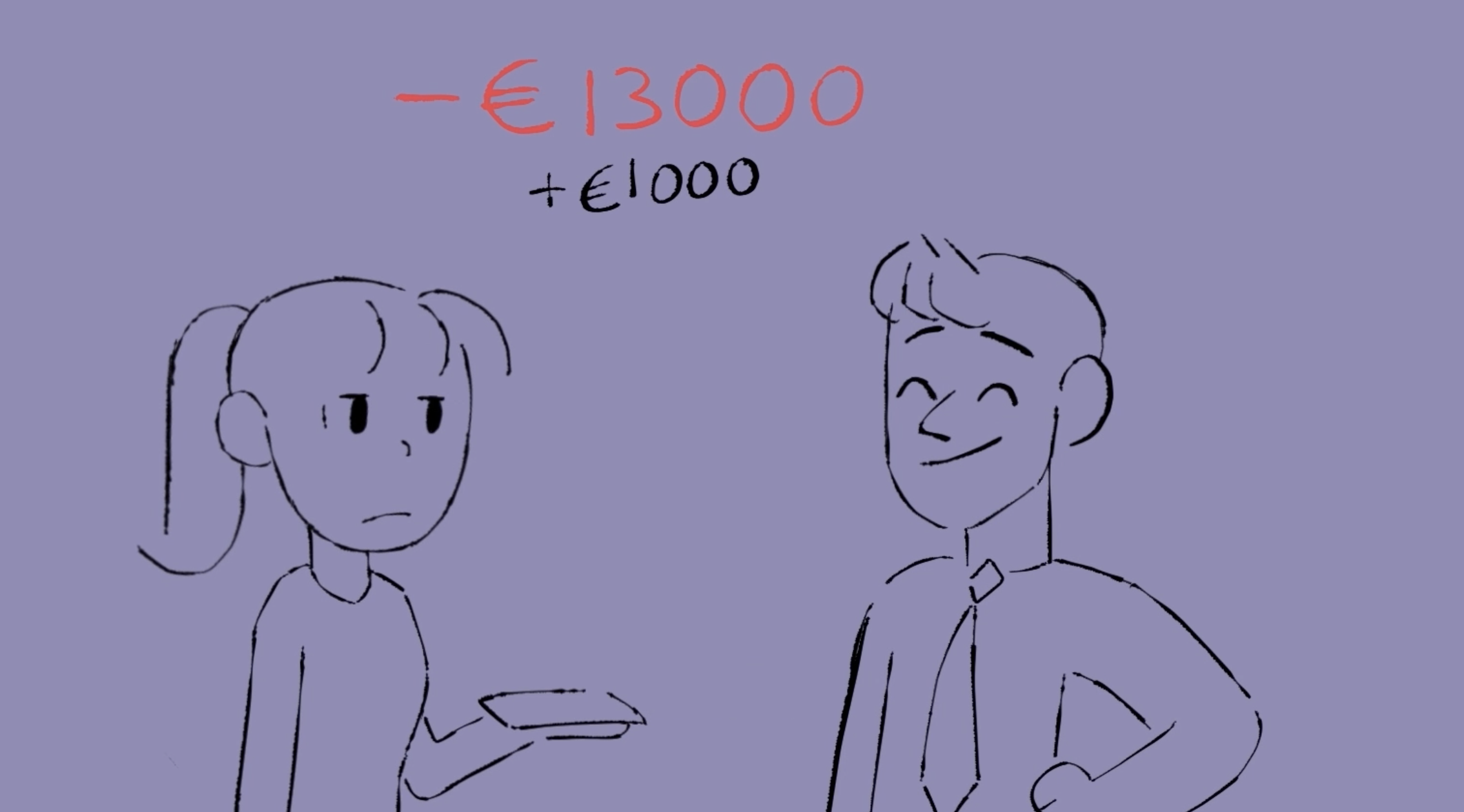
EM Explains: exactly how unlucky was the unlucky generation?
Gepubliceerd op:Article type: Video-
EM TV
-
Compensation
According to the AD, the so-called ‘unlucky students’ of the loan system would receive 359 euros per missed year of basic grant. For a four-year study, the amount is 1,436 euros. They do have to obtain a diploma. This is also the case with the basic grant: it only becomes a gift when you graduate.
The cabinet has a second scenario for the compensation of unlucky students as well. They could also, without a diploma requirement, receive 259 euros per missed year. Four years would then amount to 1,036 euros. The Lower House can also have its say on this.
The old basic grant was abolished in September 2015. With this, VVD, PvdA, D66 and GroenLinks wanted to free up money to improve higher education. Eventually, only the VVD remained in favour.
Read more
-
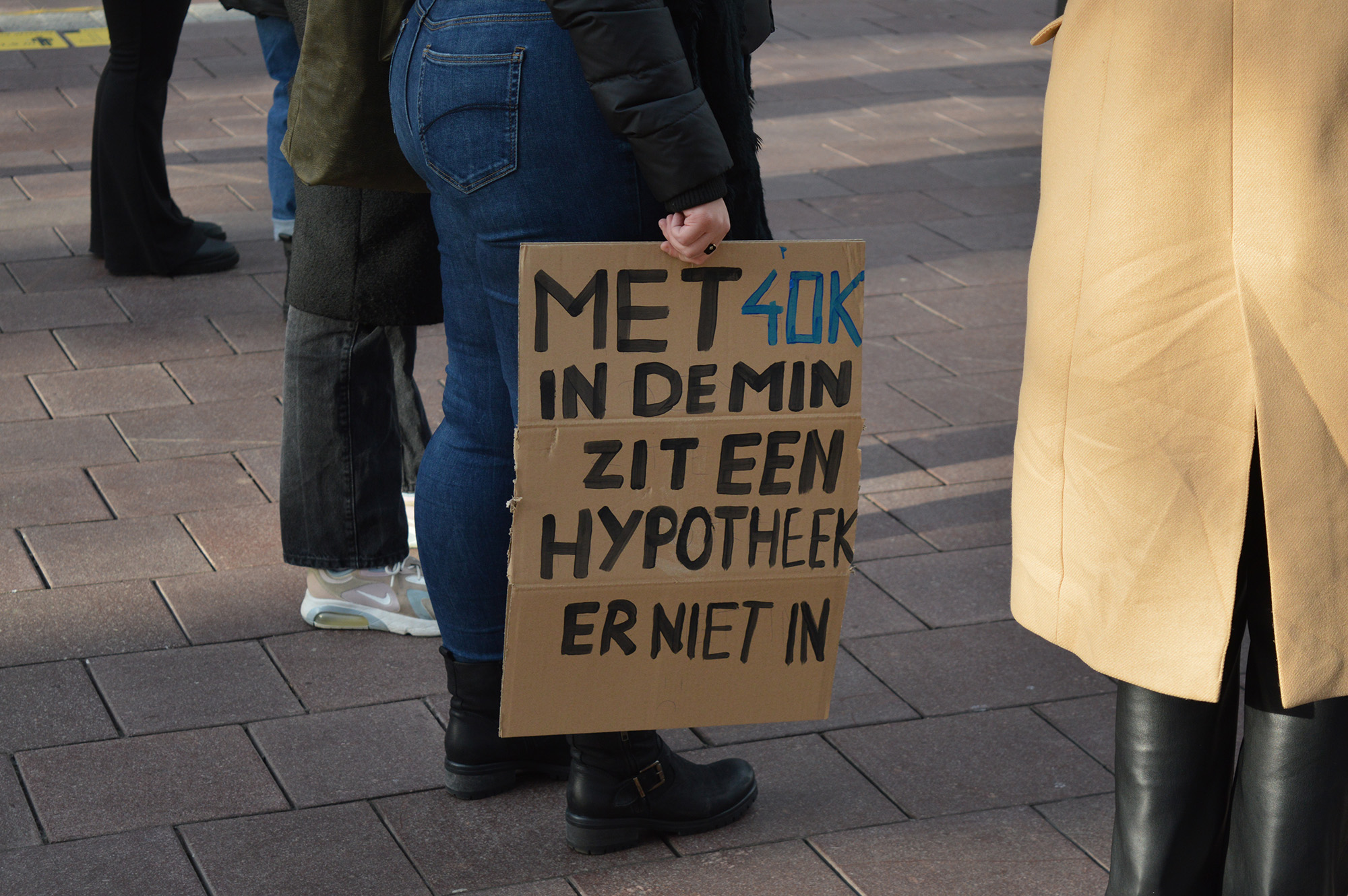
Everything you ever wanted to know about student debt
Gepubliceerd op:-
Student life
-
Vouchers
Students who studied during the first four years of the loan system will receive a study voucher of 2,000 euros for extra education. They can take the courses five to ten years after graduation. This also attracted fierce criticism: who is waiting for extra education, so early in their career? Couldn’t we use it to pay off part of their student debt?
However, that would cost more than the cabinet had reserved for. The cabinet considered that a part of the unlucky students would not apply for the voucher, and of course they do so if it is cash. If the Lower House wants to make that possible, the value of the voucher will drop to EUR 1,770 per student.
De redactie
Latest news
-

NOS: Crisis of trust and culture of fear in Erasmus MC intensive care unit
Gepubliceerd op:-
Safety
-
-
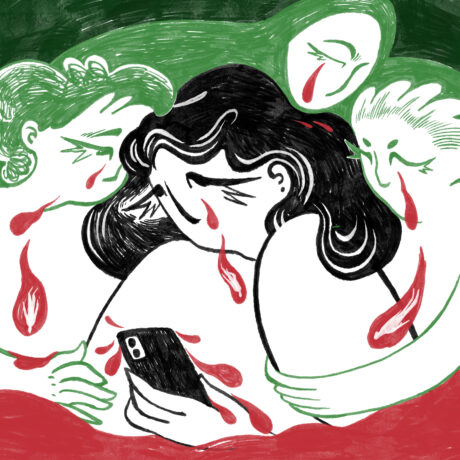
Psychological support and financial assistance for Iranian students in the Netherlands
Gepubliceerd op:-
Student life
-
-

EM TV newsflash: Temporary meditation centre in P building, budget cuts in honours programmes, and student jailed for possession of weapons
Gepubliceerd op:Article type: Video-
Campus
-
EM TV
-

Comments
Comments are closed.
Read more in Campus
-
NOS: Crisis of trust and culture of fear in Erasmus MC intensive care unit
Gepubliceerd op:-
Safety
-
-
EM TV newsflash: Temporary meditation centre in P building, budget cuts in honours programmes, and student jailed for possession of weapons
Gepubliceerd op:Article type: Video-
Campus
-
EM TV
-
-

Letschert gives nothing away in first parliamentary debate
Gepubliceerd op:-
Education
-
Politics
-