Ad

New platform aims to combat ‘ableism’
Students and staff with a disability are the canaries in the coal mine, says Eline Pollaert of the new platform Accessible Academia, because they are immediately aware if a higher education institution has no regard for health issues.
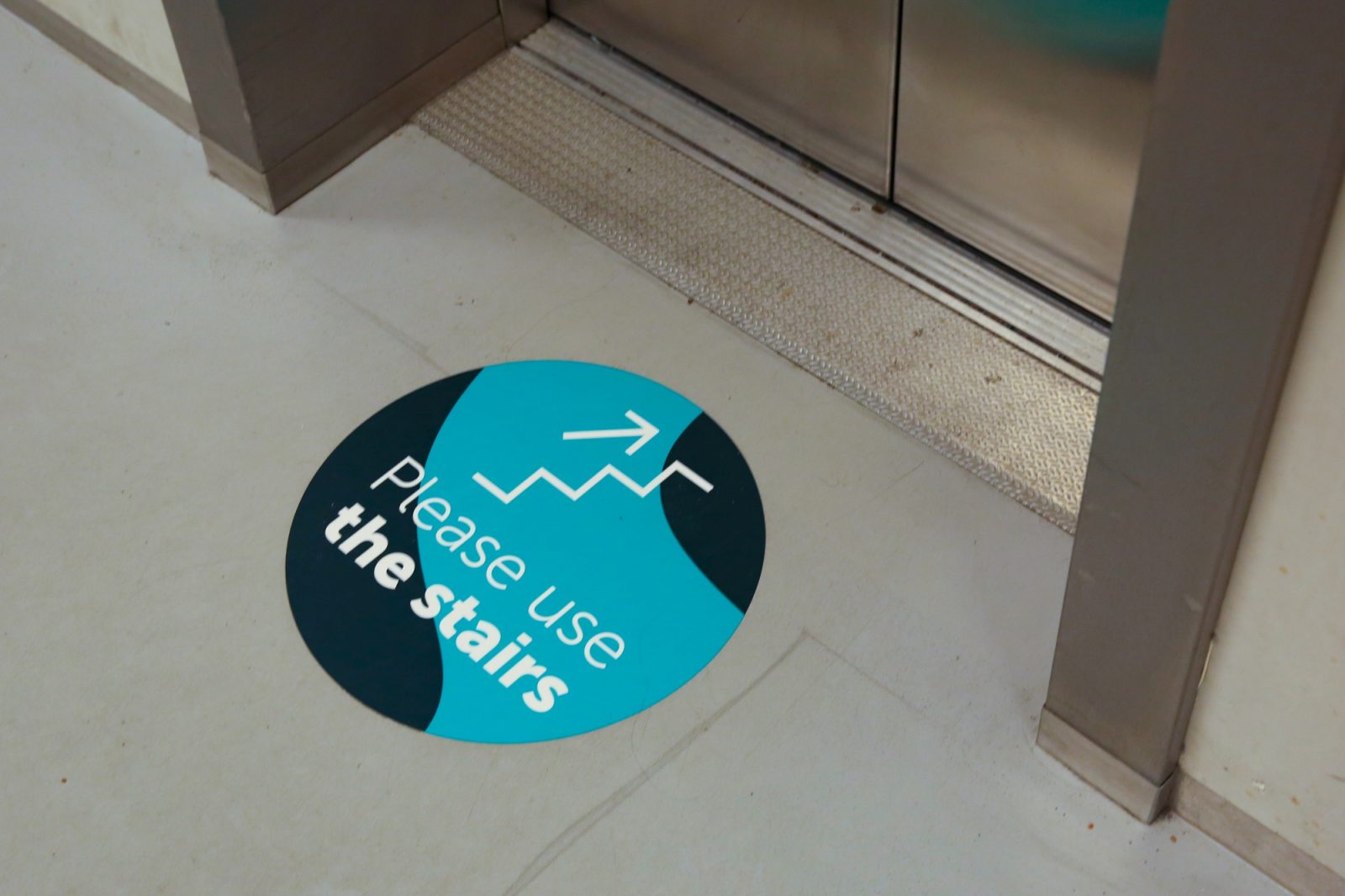
'Please use the stairs' stickers by the elevator on campus.
Image by: Sanne van der Most
On Friday, the International Day of People with Disabilities, a new platform for researchers, staff and students with a disability goes online. Its mission: to combat ableism.
Ableism is discrimination or stigmatisation towards people with disabilities. And there are plenty of examples of that in the academic world, says Pollaert. “You have to hold your own in a world that is literally not built for you.”
Pollaert is one of the initiators of Accessible Academia. She names a variety of examples of ableism. For instance, you have lecture halls that are supposedly ‘accessible’ to people in a wheelchair, but that applies only to students in the hall. A lecturer in a wheelchair cannot get onto the podium.
Princess and the pea
She herself has a disorder that causes chronic pain and fatigue. She does not really show it, which sometimes makes it hard for her to explain to people that she needs certain amenities. “For example, my company doctor wanted me to get a better office chair but my manager felt I was the princess with the pea.”
She also has to go and lie down frequently during her working hours. But that same manager did not consider it necessary to arrange a place for her to rest. Couldn’t she lie on the floor of her office? “The printer was in that office”, she says. “My colleagues literally had to step over me to get their printouts. You feel very small when the soles of your colleagues’ shoes are virtually brushing your face.”
It was as if she was getting in the way and, she says, other people with a disability have the same feeling. “You feel ashamed. When you have to ask for something for the third time, you feel like a moaner. It’s as if you were asking for a favour.” Except that a good place to study and work is a right, not a favour, she adds. So it is with good reason that in 2016 the Netherlands signed the UN Convention on the Rights of Persons with Disabilities.
The circumstances are often a greater handicap than the disorder itself. “If there isn’t a lift and someone has to go upstairs in a wheelchair, it’s the stairs that are the handicap.” That is why Accessible Academia wants better amenities and better policy.
Race to the bottom
And that is good not only for students and staff with a disability, says Pollaert. “The scientific world is set up to work sixty or seventy hours a week. Even many researchers without a disability drop out with fatigue. It’s a race to the bottom. It would be better for everyone if that were to change but we are the canaries in the coal mine: we are aware before other people if the working conditions are poor.”
The platform wants more attention to be paid to experiential research and disability studies, the scientific discipline that studies disability as a social phenomenon.
The Netherlands has the Expertisecentrum Inclusief Onderwijs (Expert Centre on Inclusive Education), which in her view is carrying out good work too. But a platform against ableism, for and by people with a disability, did not yet exist.
Energy
One of the causes, Pollaert believes, could be that many disabled students and staff have very little energy left if they have to navigate around inaccessible study and work environments. That was something she also noticed when Accessible Academia was set up. The ‘core team’ currently comprises four people. Others had to withdraw for health reasons.
Many disabilities are not visible, says Pollaert. People often do not advertise the fact that their energy level is lower or that they are taking medication. They keep their disorder a secret for fear that others will hold it against them.
Accessible Academia wants to put students and staff of higher education institutions in contact with one another and protect their interests. There are going to be networking meetings and a reading club is to be launched. The first lecture and workshop about ableism in the academic world is already scheduled.
Eline Pollaert (30) is an independent researcher. She has worked for diversity offices at the universities of Utrecht and Leiden. In 2022 she starts her doctoral research into the history of Het Dorp, a residential community for disabled people for which presenter Mies Bouwman raised money in a television marathon in 1962.
De redactie
Latest news
-
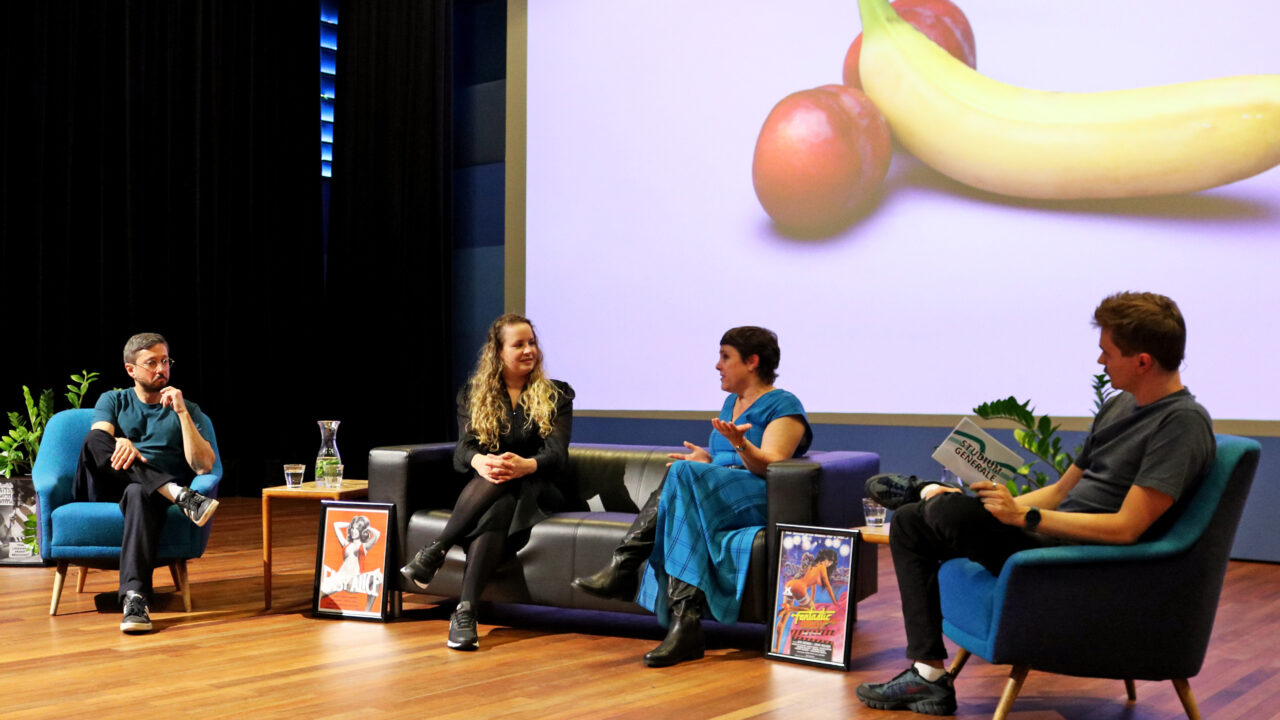
Porn in the Pavilion: vanilla sex is the favourite among viewers
Gepubliceerd op:-
Lecture
-
Science
-
-
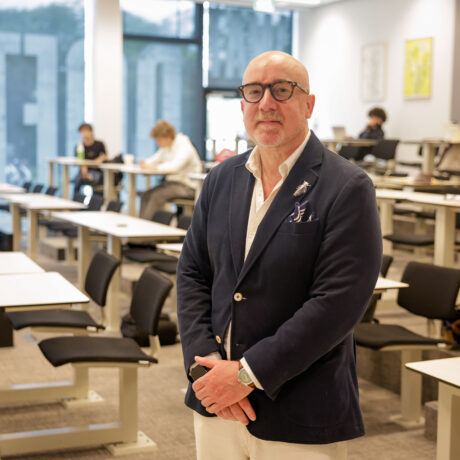
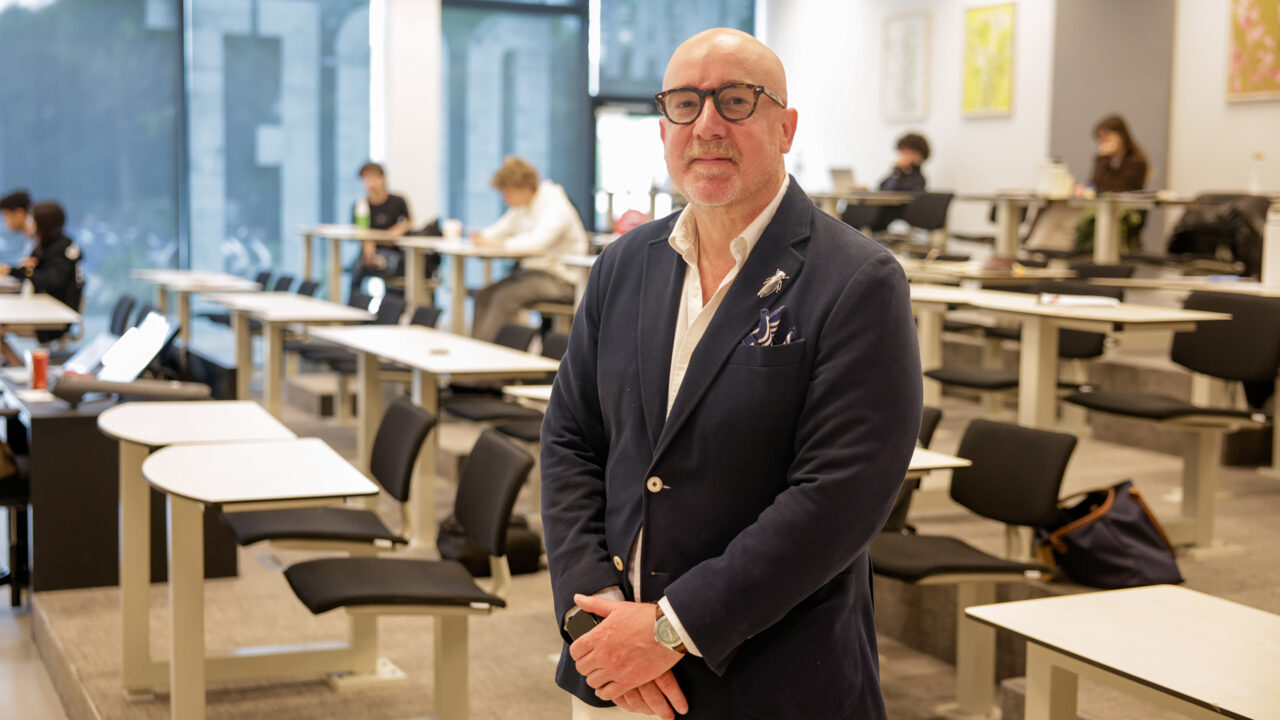
Education pioneer Etienne Augé: ‘Technology should give us more time for people’
Gepubliceerd op:-
Education
-
-
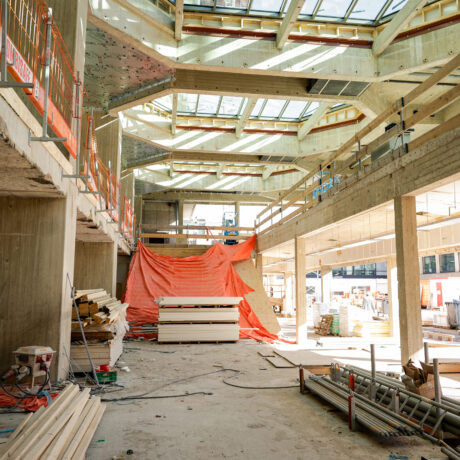
Taking a quick peek inside the revamped Tinbergen
Gepubliceerd op:-
Campus
-
Comments
Comments are closed.
Ad
Read more in Campus
-
Taking a quick peek inside the revamped Tinbergen
Gepubliceerd op:-
Campus
-
-

Repay your student debt in 15 years? Then interest rises to 3.28 per cent
Gepubliceerd op:-
Money
-
-
TU Delft ignores warnings and puts sensitive data of (former) students in the cloud
Gepubliceerd op:-
Privacy
-