What we can learn from Erasmus the entrepreneur
It might seem like a poor joke Erasmus was playing when, in 1514, he showed up at his new publisher in Basel pretending to be Erasmus’s representative. It was a joke, but at the same time, Erasmus was trying to get a message across: in addition to the ‘entrepreneur’ reporting to his publisher, there was a separate ‘Erasmus the scholar’, as well.
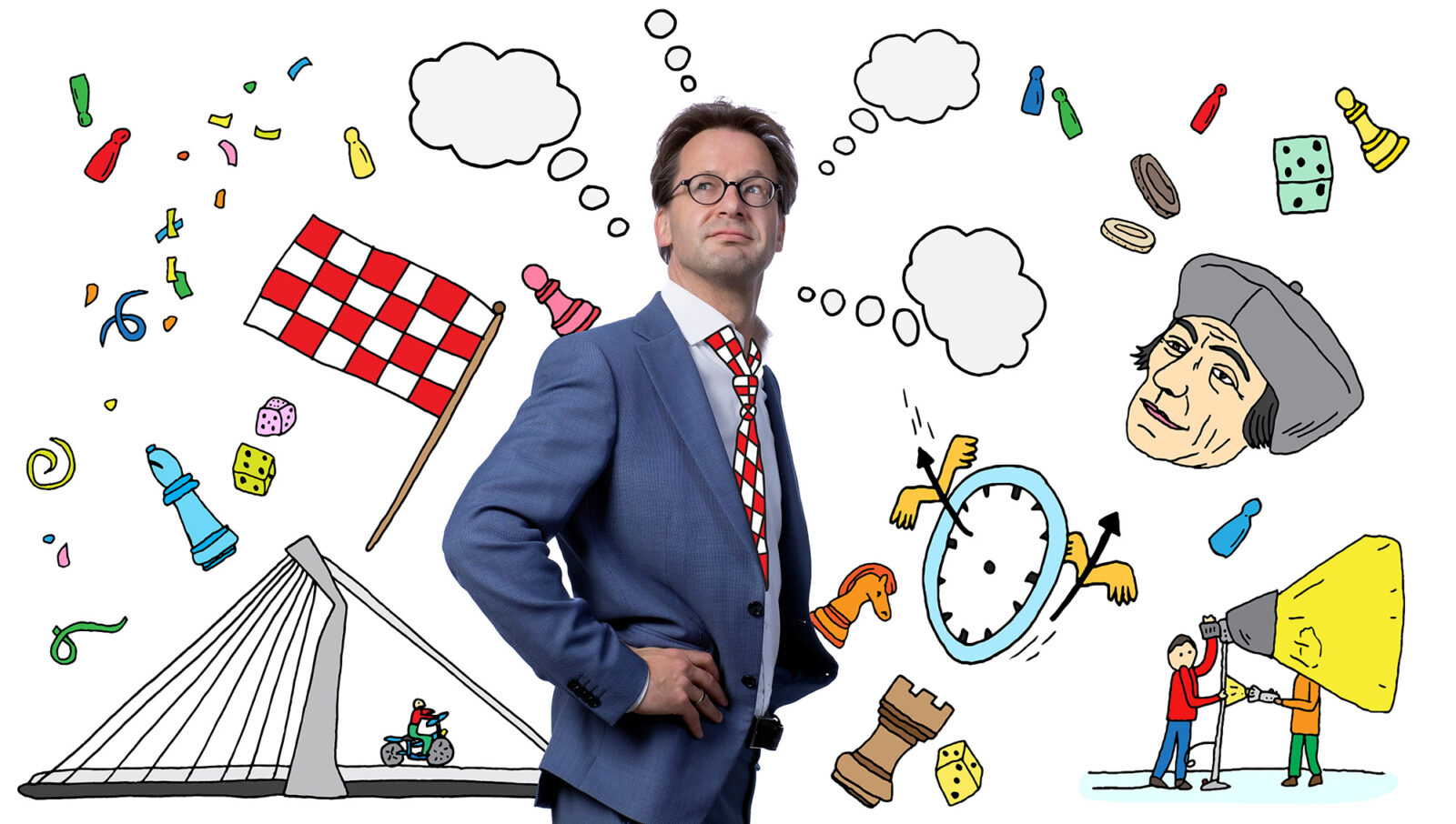
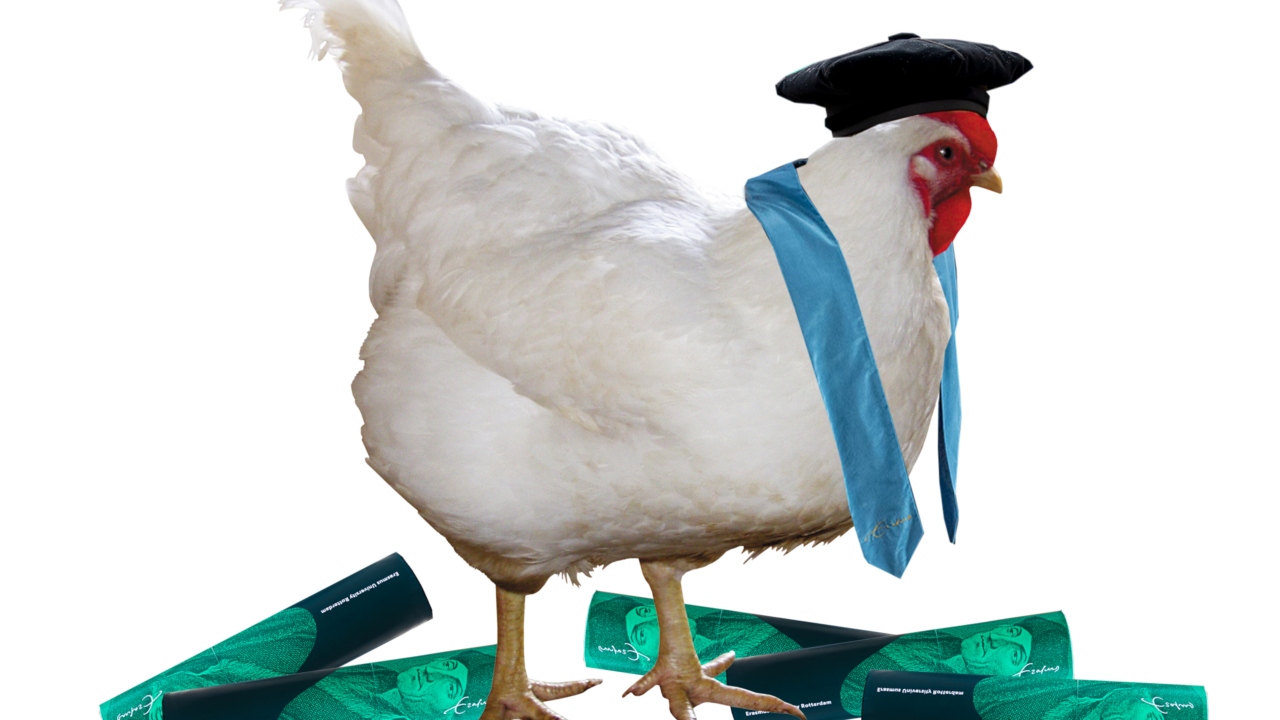
Image by: Levien Willemse, Pauline Wiersema
These two capacities were represented by the same person, but were not the same person. In his capacity as an entrepreneur, Erasmus was more than willing to make concessions; at the very least, the act he performed when he arrived at his publisher’s door resulted in the new publisher paying his bills at his inn. However, Erasmus the scholar was not willing to grant his publisher any concessions. He had rather different values, which were non-negotiable.
In response to the results of a nation-wide survey on fraud in scientific research, EM reported in July that half of all academic researchers in the Netherlands are guilty of questionable research practices. Many academics feel forced to adjust or make up study data, mostly because of the pressure exerted on them: the requirements imposed by universities so that they can receive more funding, the obligation to publish articles regularly and the wish to try and keep lucrative clients happy. You’d expect academics’ independence to be guaranteed five centuries after Erasmus, but unfortunately, that doesn’t appear to be the case, even though this autonomy is the most important value for us academics.
Also read:
“Flattery is the molasses and toadying of all human interactions,” Erasmus had Folly say in his famous In Praise of Folly. Reading the many letters Erasmus wrote to influential persons, one is likely to feel embarrassed on his behalf. Even judged by the sycophantic manners of his age, his unembarrassed begging for money is a little cringe-inducing. The famous portraits of Erasmus (such as the one painted by Hans Holbein) appear to have been consciously spread and used by the philosopher to increase awareness of his ‘brand’. In other words, Erasmus was a keen marketer, but at the same time, this intellectual entrepreneur was highly conscious of his value, which was tied up with his integrity and independence.
‘We are not Erasmus, and we may be less courageous than he was in saying ‘no’ to our clients’
As an entrepreneurship-oriented university, EUR wishes to conduct research that is socially engaged, while simultaneously honouring academic values. If we are to be successful at this, we will have to help researchers maintain their independence. Discussions on the ‘Erasmian values’ are currently being had at many components of the university. These discussions may help researchers guard against being influenced – by companies, interest groups or politicians. We are not Erasmus, and we may be less courageous than he was in saying ‘no’ to our clients. By having these discussions on values, we will turn this dilemma into a shared interest, which should reduce the burden shouldered by individual researchers.
Read more:
-

Ronald van Raak: ‘Discussions of values used to be outdated, but now EUR is ahead of the pack’
Gepubliceerd op:-
Science
-
De redactie
Latest news
-

Letschert gives nothing away in first parliamentary debate
Gepubliceerd op:-
Education
-
Politics
-
-

Away with the ‘profkip’, says The Young Academy
Gepubliceerd op:-
Science
-
-

House of Representatives wants basic grant for university master after HBO
Gepubliceerd op:-
Money
-
Politics
-


Comments
Comments are closed.
Read more in Column
-
Minister Letschert and the academic tower
Gepubliceerd op:-
Column
-
-
Spinach seed wounds
Gepubliceerd op:-
Column
-
-

Leftover dame blanche
Gepubliceerd op:-
Column
-