‘Labour market for the highly skilled suprisingly unaffected by the pandemic’
The coronavirus crisis last year hardly reduced the job opportunities for graduates at higher professional education or university level, writes Elsevier. After a brief ‘coronavirus slump’ in the spring, by the end of summer they even had slightly more chances of finding a job than the year before.

Each year, Elsevier Weekblad, in collaboration with the SEO research institute, closely examines the job opportunities for the highly skilled. The research focuses on the time between graduation and finding a job, the salary and the prospects of a permanent contract.
What was the employment situation in the extraordinary year 2020? The labour market for recent graduates came to a ‘standstill’ in March, as previously observed by Statistics Netherlands. However in July, the highly skilled had as much chance of finding a job as the class that graduated a year earlier. In August, the new entrants on the labour market even fared slightly better on average than those in 2019.
Green-vingered
Elsevier sifted through a total of 1,356 degree programmes. In many sectors, the demand for highly qualified professionals appears to be greater than the supply. Anyone, for example, graduating in healthcare or an exact science programme at a university of applied sciences can start work almost immediately. There are also promising prospects for ‘green-fingered’ highly educated people, such as students in horticulture and arable farming at universities of applied science and university graduates in plant sciences, and for science teachers who completed university teacher training programmes. They acquired a stronger position in the labour market.
And what about money? The researchers found that the salaries of highly educated people are increasing in all sectors. That increase is strongest for medical staff and healthcare workers.
Perspectives
Read more
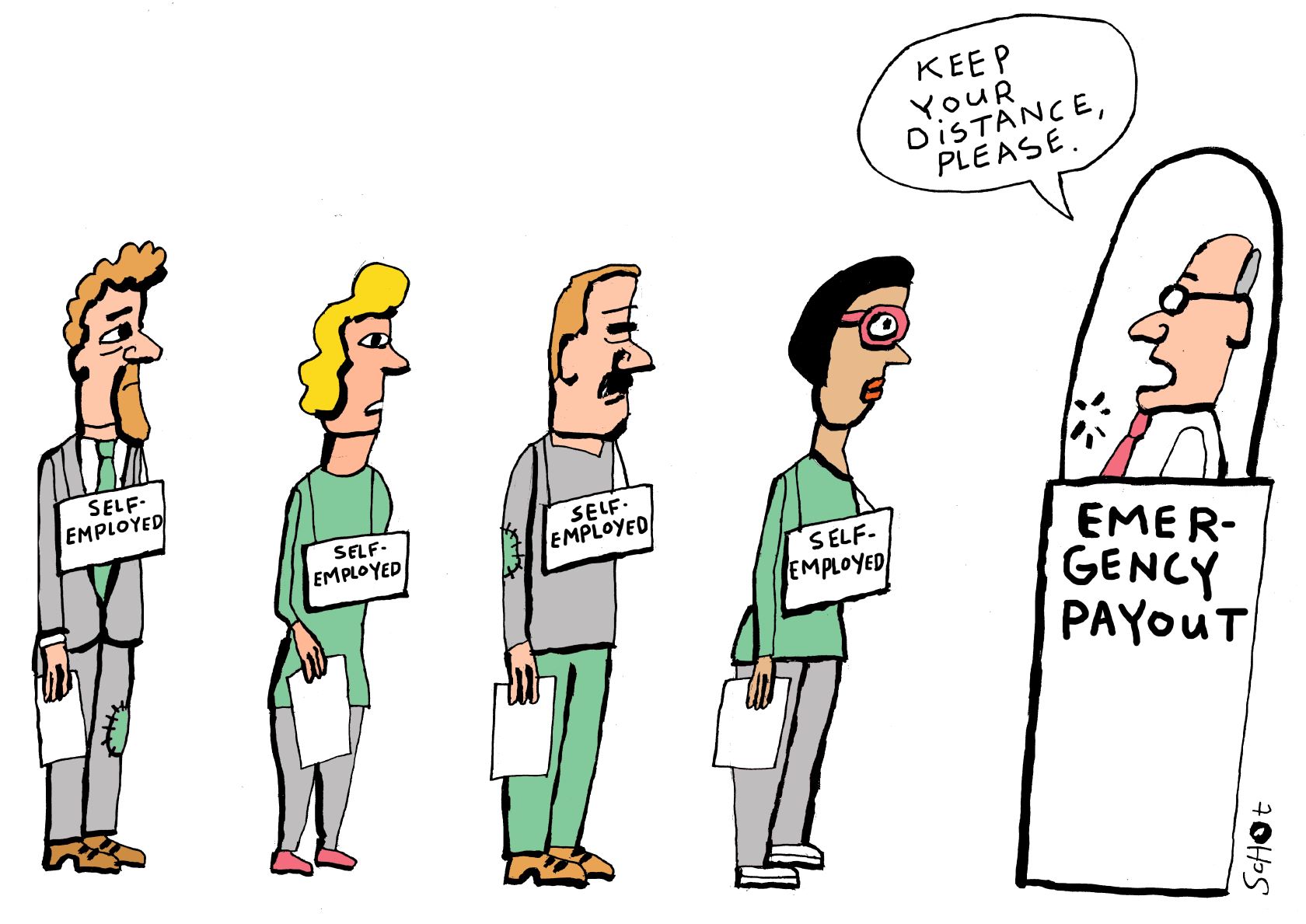
But it is not all good news, for example for those graduates in exact science and medical practitioners at university level hoping to obtain a permanent contract. And as far as job hunting is concerned, university graduates in archaeology and literature saw their career opportunities further reduced. Higher professional education saw prospects drop for their alumni of applied physics – though still not bad – and of leisure and events management.
Researchers noted that although some of these graduates did find work during the crisis, it involved grocery delivery and coronavirus testing jobs. The Dutch Tax and Customs Administration officially considers them as employed, but it is not a job at their own level.
Providing support
Some sectors needed financial support from the government. In September, twelve percent of those with a higher professional education and nine percent of university graduates worked for a company that needed government support, e.g. in the hospitality and aviation sectors.
De redactie
Latest news
-

Letschert gives nothing away in first parliamentary debate
Gepubliceerd op:-
Education
-
Politics
-
-
Away with the ‘profkip’, says The Young Academy
Gepubliceerd op:-
Science
-
-

House of Representatives wants basic grant for university master after HBO
Gepubliceerd op:-
Money
-
Politics
-



Comments
Comments are closed.
Read more in Career
-

Small rise in unemployment among highly educated people
Gepubliceerd op:-
Career
-
-
Prognosis: technicians will find work quickly, economists will have a harder time
Gepubliceerd op:-
Career
-
-
Job market has little influence on degree choice, Bureau for Economic Policy Analysis finds
Gepubliceerd op:-
Career
-