Dutch Caribbean students often encounter difficulties in the Netherlands
Bluntness and prejudice, a lack of fluency in Dutch, and a confusing tax system: students from the Dutch Caribbean encounter all sorts of problems when they come to the Netherlands. The National Ombudsman has warned that they are likely to fall behind in their studies or even drop out prematurely.

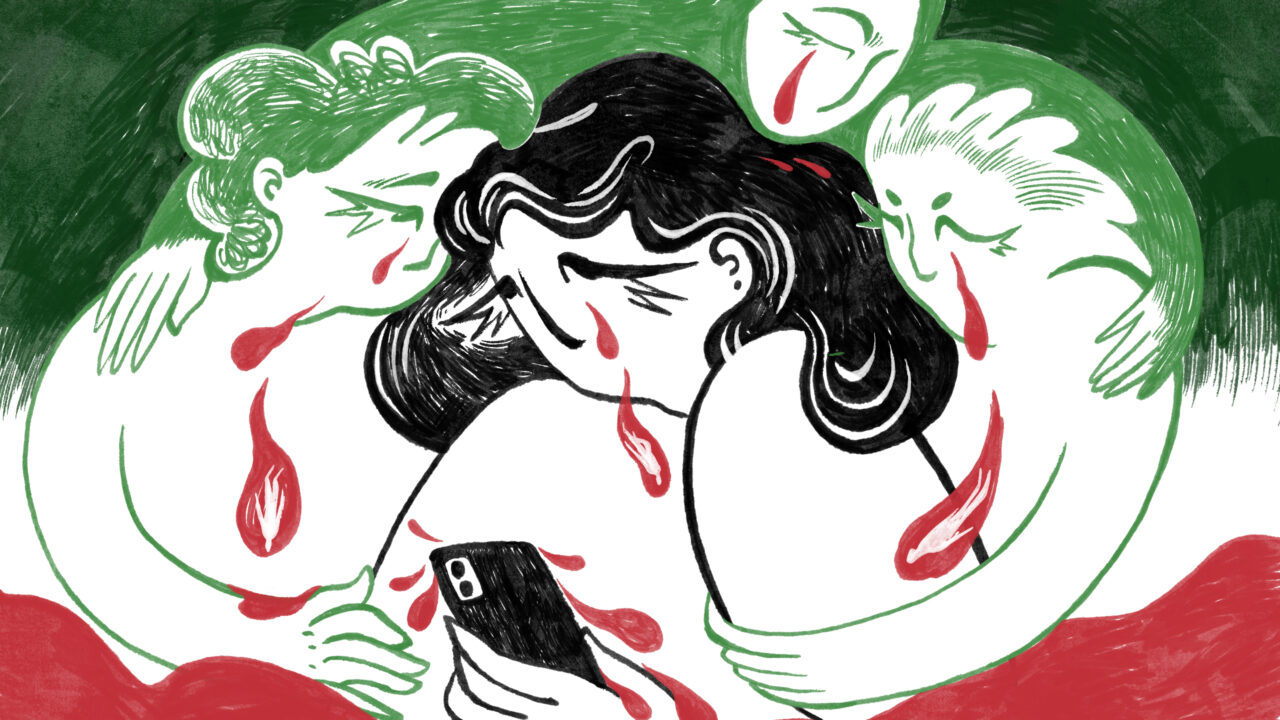
Image by: Amber Leijen
24-year-old business economics student Karman from Bonaire calls his move to the Netherlands a ‘survival of the fittest’. “The culture in this place is completely different from the one we have in the Dutch Caribbean. Here you really have to stand up for yourself and arrange everything yourself. And on top of that, you’ll encounter loneliness. You have to ignore everyone’s prejudice and get on with your life.”
This is just one example from a report by the National Ombudsman entitled Kopzorgen van Caribische Studenten (‘The things that worry Caribbean students’), which was published last Wednesday. Every year, some 1,600 young people from Curaçao, Aruba, Sint Maarten, Saba, Sint Eustatius and Bonaire make their way to the European Netherlands to embark on a degree programme.
Running into difficulty
In actual practice, the students tend to run into difficulty for a variety of reasons. The report says that they often have no idea of what to expect in the Netherlands. Not only do they have to get a degree, but they also have to find a place to live and figure out how public transport works.
One of the factors contributing to the problems, says the National Ombudsman, is the fact that many Caribbean students are not completely fluent in Dutch when they embark on their degrees. They are expected to have attained the highest level of fluency in Dutch when they enrol in a university or university of applied sciences, but that can be hard when they speak either Papiamento or English at home.
And on top of that, there is all the red tape the students have to deal with. Caribbean students are not issued with a citizen service number (social security number) on their islands, which means they do not have the DigiD they need to make arrangements when they first arrive in the Netherlands. In addition, they are ineligible for a health insurance allowance. If they accidentally apply for one anyway, they are then required to pay back a lot of money.
Prejudice
But the main issue, perhaps, is the fact that students from the Dutch Caribbean are not always welcomed with open arms by their ‘blonde and blue-eyed’ fellow students, who are often prejudiced against them and can be quite blunt and straightforward.
The report warns that all these things may result in these students regarding themselves as second-rate citizens. They are more likely to suffer from mental health issues, fall behind in their studies or drop out completely.
Action required
Therefore, the Cabinet should spring into action right now, the National Ombudsman wrote to Ingrid van Engelshoven, the Minister for Education. Among other things, the Ombudsman argued for the provision of more extensive information and psychological counselling, and for access to the Dutch basic healthcare plan and health insurance allowance. Furthermore, he said, the student loan debt repayment scheme should be improved.
The researchers surveyed 624 students from the Dutch Caribbean, had in-depth interviews and roundtable discussions and consulted more than fifteen organisations, including the Ministry of Education, Culture and Science, DUO (the Education Executive Agency, which grants student loans), student housing associations and parties supervising students from the Caribbean.
De redactie
Latest news
-
Letschert gives nothing away in first parliamentary debate
Gepubliceerd op:-
Education
-
Politics
-
-
Away with the ‘profkip’, says The Young Academy
Gepubliceerd op:-
Science
-
-

House of Representatives wants basic grant for university master after HBO
Gepubliceerd op:-
Money
-
Politics
-

Comments
Comments are closed.
Read more in Student life
-
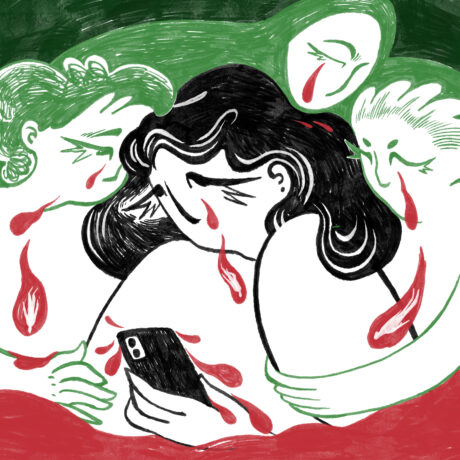
Large-scale student protests at universities in Iran
Gepubliceerd op:-
Student life
-
-

Medical student Daan Kluwer wins 10,000 euros to record his own jazz album
Gepubliceerd op:-
Student life
-
-
Master seeks master in love
Gepubliceerd op:-
Culture
-