Warning letter from 300 top scientists: give more money to free research

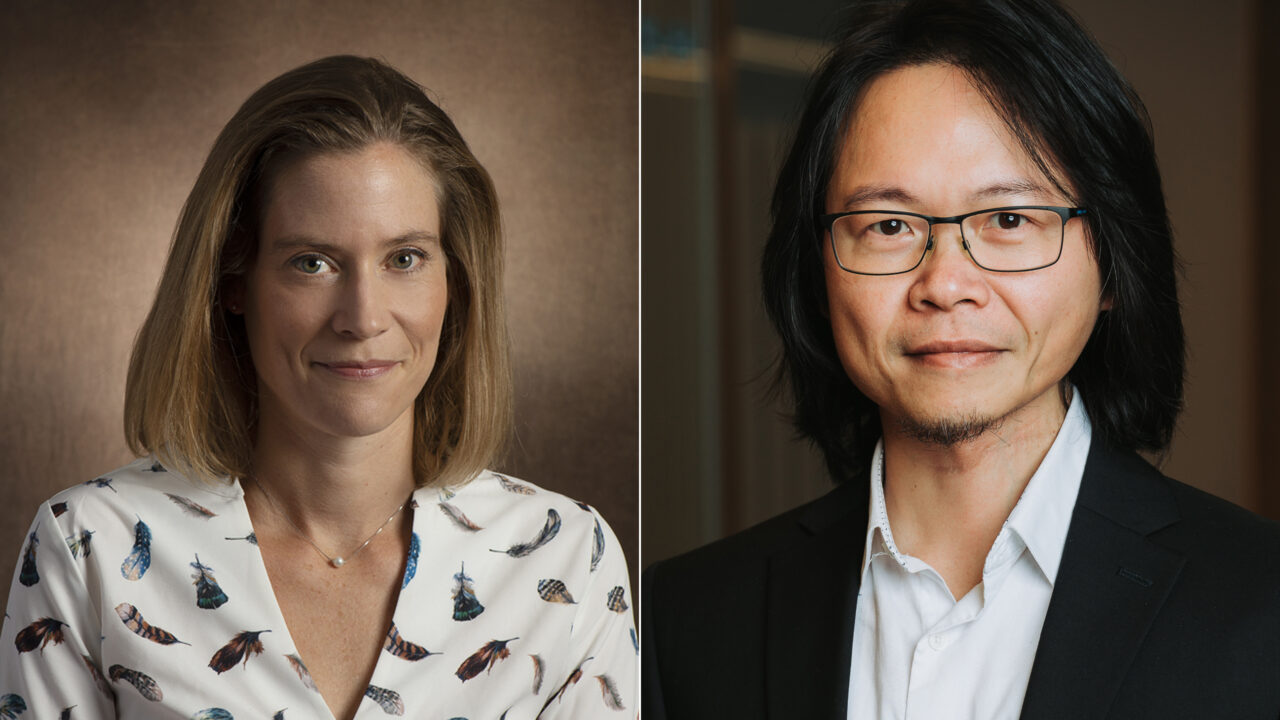
In a letter to the House of Representatives and various ministers, 307 scientists – including Nobel Prize Winner Ben Feringa – have sounded the alarm. The initiators are scientists from Erasmus MC: Raymond Poot and Frank Grosveld. Poot: “Free research is being stifled by strategic research, something that must be rectified as soon as possible.”
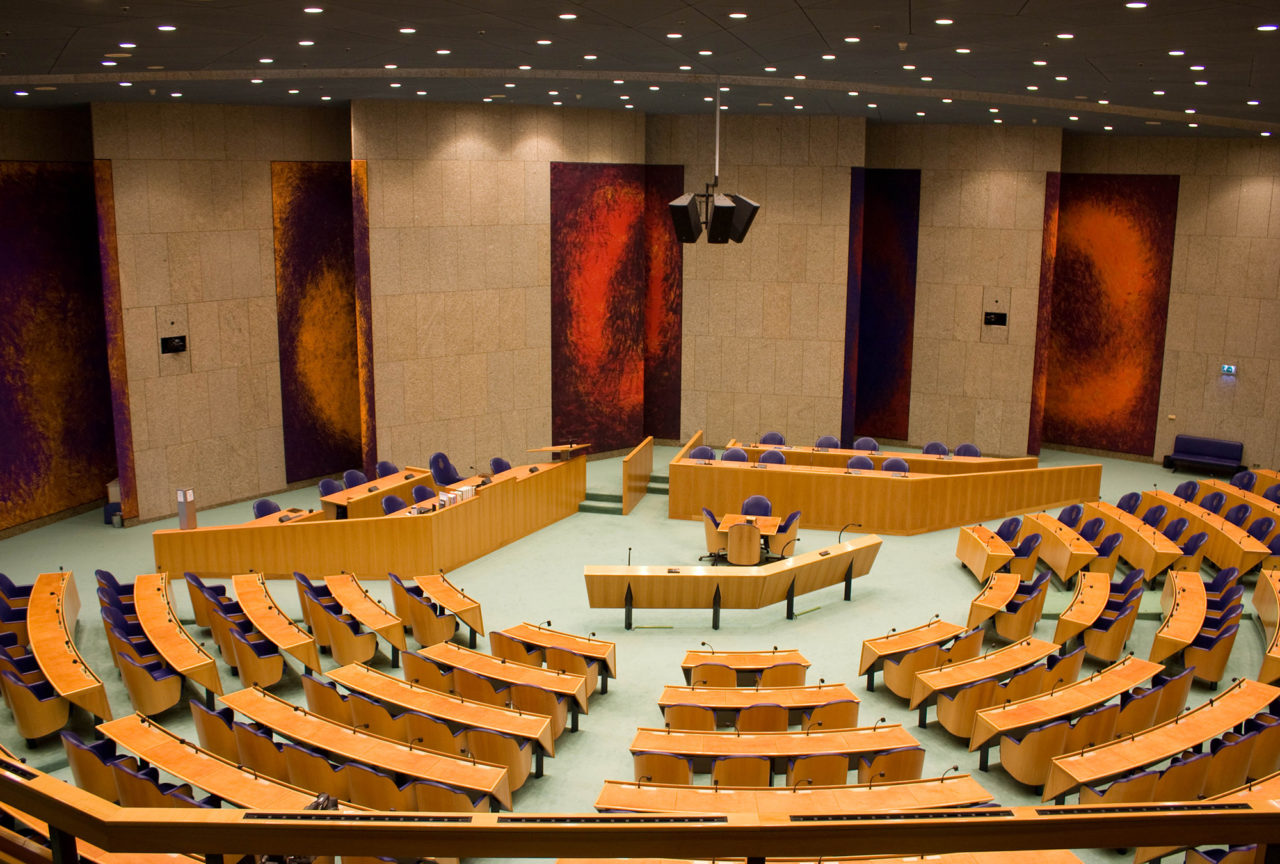
Image by: -JvL-
“Free scientific research deserves more investment,” say the scientists in their letter to the politicians. By ‘free research’, they mean research in which the researcher decides on the subject. In strategic research, however, the funder decides. At the Dutch Research Council (NWO), the current ratio between free and strategic research is 1 to 2, says Poot.
“However, a research committee appointed by the House of Representatives and led by Professor Weckhuysen advised that the best ratio is 1 to 1,” says Poot. The letter was also signed by Robbert Dijkgraaf, director of the Institute Advanced Studies at Princeton University in the United States and Groningen-based Nobel Prize Winner Ben Feringa. The list of researchers also includes the last six presidents of the Royal Netherlands Academy of Arts and Sciences. (KNAW).
The ‘Wopke-Wiebes fund’
“Not everyone recognises the added value of free research, and it is harder to explain to funders where the money is going because they have no say in the subject. Over the years, we have therefore seen the emphasis moving more towards strategic research”, Poot explains.
The letter was sent during the phase when the Cabinet was deciding on the recipients of the money from the investment fund, which was set up by Minister of Finance Wopke Hoekstra (CDA) and Minister of Economic Affairs Eric Wiebes (VVD). That ‘Wopke-Wiebes fund’ is an investment fund worth billions of euros, which can be granted free due to the negative interest. “In a letter in which Wiebes outlines where the money should go, he only writes about strategic research, although investments in free research generate more benefit for the economy and society,” says Poot.
For Erasmus MC, Poot researches the causes of autism at cellular level and has experience of the difficulties applying for subsidies. “Competition in free research is fierce. Currently only 22 percent of applicants are granted funding, while usually around 35 percent concerns important research. In practical terms, it’s a lottery, which is frustrating for all parties concerned.”
‘Free research generates twice as many patents’
In the letter, which was sent on Monday, the scientists list three arguments that demonstrate the added value of free research. For example, they also claim that free research contributes more to economic growth and social progress than strategic research. “Free research generates around twice as many patents as strategic research. These patents indicate the potential of the results for economic growth and social progress,” says Poot.
The other two arguments mentioned in the letter are that free research raises the status of the Netherlands (all Dutch Nobel Prize-winners from the last fifty years have done free research) and that conducting research is the most important factor in attracting and retaining talent.
De redactie

Latest news
-
Letschert gives nothing away in first parliamentary debate
Gepubliceerd op:-
Education
-
Politics
-
-
Away with the ‘profkip’, says The Young Academy
Gepubliceerd op:-
Science
-
-

House of Representatives wants basic grant for university master after HBO
Gepubliceerd op:-
Money
-
Politics
-

Comments
Comments are closed.
Read more in Science
-
Away with the ‘profkip’, says The Young Academy
Gepubliceerd op:-
Science
-
-
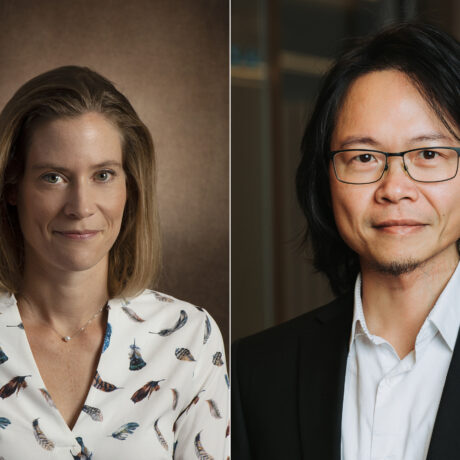
Two Vici grants for researchers ESE and ESPhil
Gepubliceerd op:-
Science
-
-

Participants in dialogue on academic freedom want actions to match words
Gepubliceerd op:-
Science
-