Soon-to-be honorary doctor receives Nobel Prize in Economic Sciences for contribution to alleviating poverty
The three received the distinction for their ‘experimental approach to alleviating global poverty’. Esther Duflo is the second female and youngest winner of the Nobel Prize in Economic Sciences. She will be present at Erasmus University’s 106th Dies Natalis on Friday, 8 November, where she will receive the honorary doctorate.
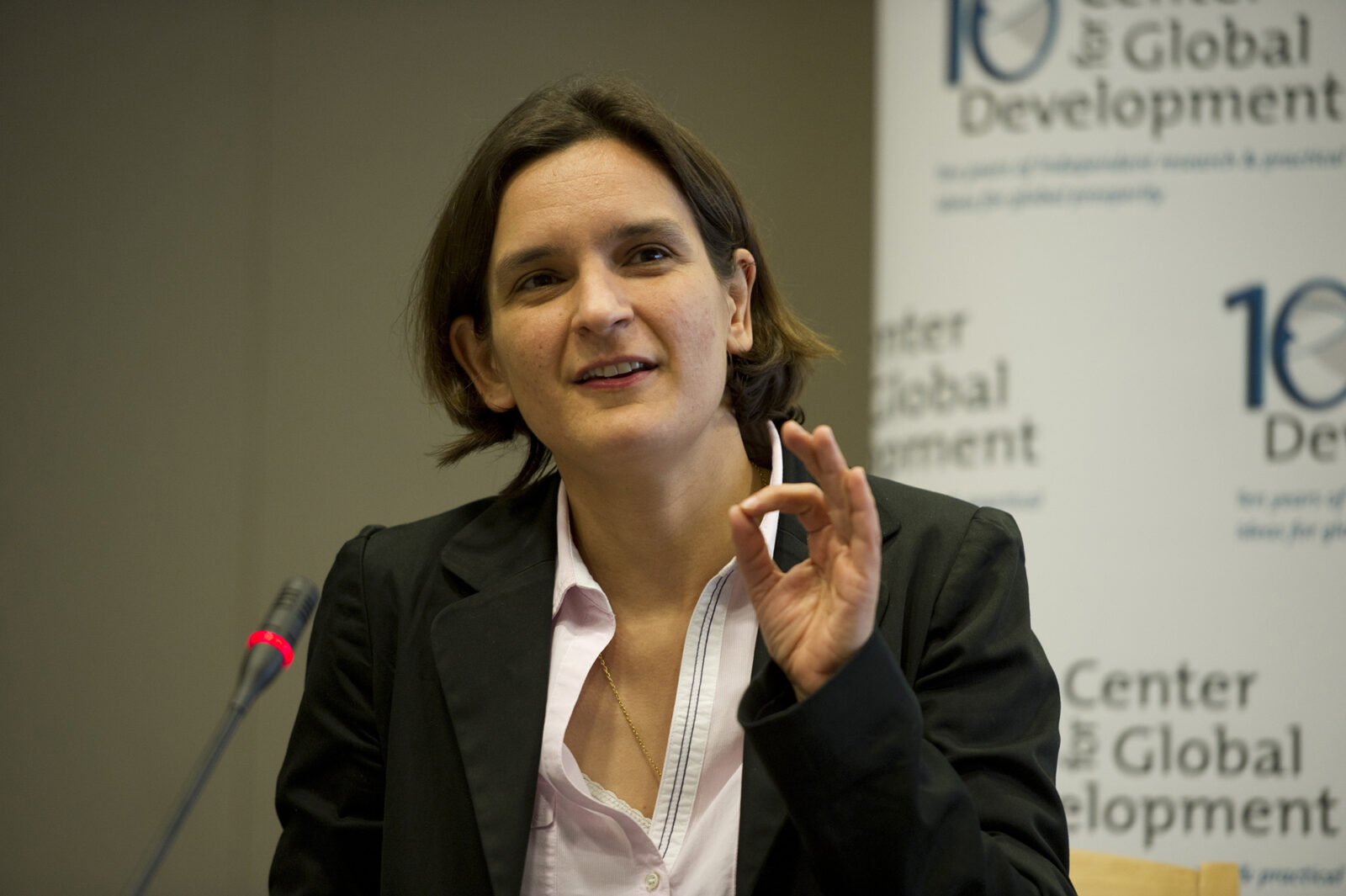
Image by: flickr/Center for Global Development
Duflo, Professor of Economics at the Massachusetts Institute of Technology, is receiving an honorary doctorate on behalf of the Erasmus School of Economics. An honorary doctorate is issued to persons who have made an exceptional contribution to science.
Approach to global poverty
Together with Abhijit Banerjee and Michael Kremer, Duflo received the Nobel Prize in Economic Sciences for their approach to alleviating global poverty. The threesome divided the significant poverty issue into smaller more manageable questions that were answered using experiments among the people who are most affected. The result according to the jury: some five million Indian children have benefited from effective additional education in schools.
Duflo is not the only person to receive an honorary doctorate during the Dies Natalis. Dani Rodrik, Professor at Harvard University, researched employment opportunities and economic growth in both developing countries and in countries with highly developed economies. He will receive an honorary doctorate on behalf of the International Institute of Social Studies.
Jan Tinbergen
The Dies Natalis celebration will focus on Jan Tinbergen this year. The founder of Econometrics and the Netherlands Bureau for Economic Policy Analysis (CPB) was Professor at Erasmus University in the previous century and received the very first ‘Nobel Prize’ in Economic Sciences in 1969.
De redactie
-
Julia Schipper
Reporter
Latest news
-
Letschert gives nothing away in first parliamentary debate
Gepubliceerd op:-
Education
-
Politics
-
-
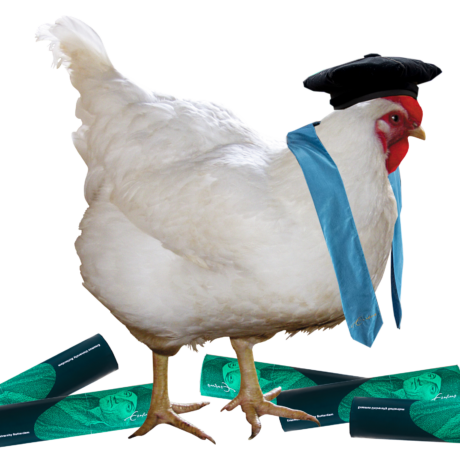
Away with the ‘profkip’, says The Young Academy
Gepubliceerd op:-
Science
-
-

House of Representatives wants basic grant for university master after HBO
Gepubliceerd op:-
Money
-
Politics
-


Comments
Comments are closed.
Read more in Research
-
How investment treaties undermine the voices of local communities
Gepubliceerd op:-
The PhD Defence
-
-

Why it is hard to find a connection between the psychiatric illness and the brain
Gepubliceerd op:-
The PhD Defence
-
-
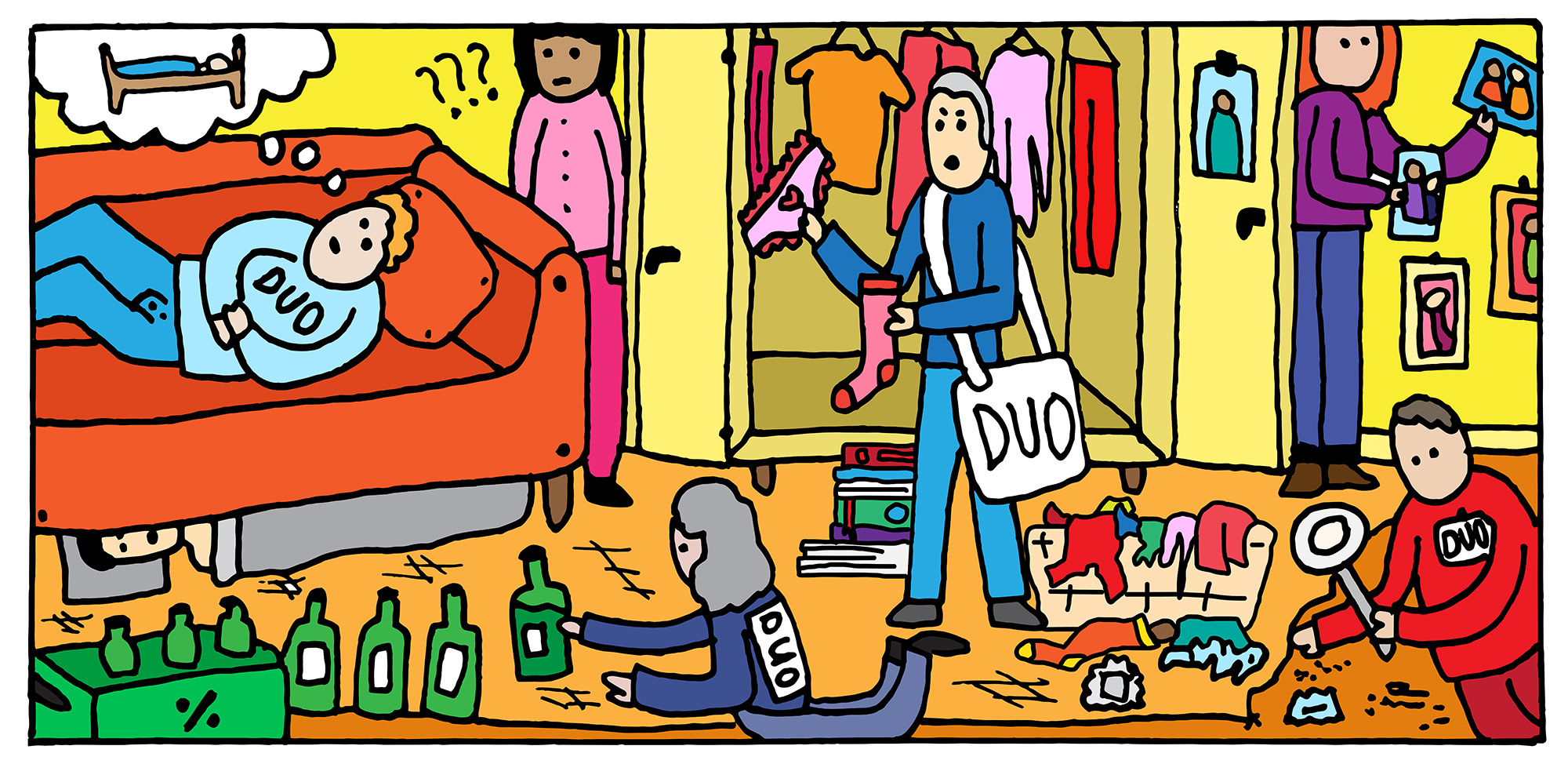
Investigation into DUO fraud hunt nominated for ‘Loep’
Gepubliceerd op:-
Research
-