ISS’s ‘smiling internationals’ explore their new home of The Hague
While the sky slowly clears up in The Hague, the stately canals of the city centre resound with a mix of Spanish, German, English and even more exotic languages. Suddenly, the chatter is interrupted by a Dutch cry: “Pas op!” (“Watch out!”). A cyclist narrowly avoids ploughing into a group of 30 startled students from the International Institute of Social Studies (ISS). Last Tuesday, the students were taken on a tour of their new hometown by counsellor and guide for the day Martin Blok.
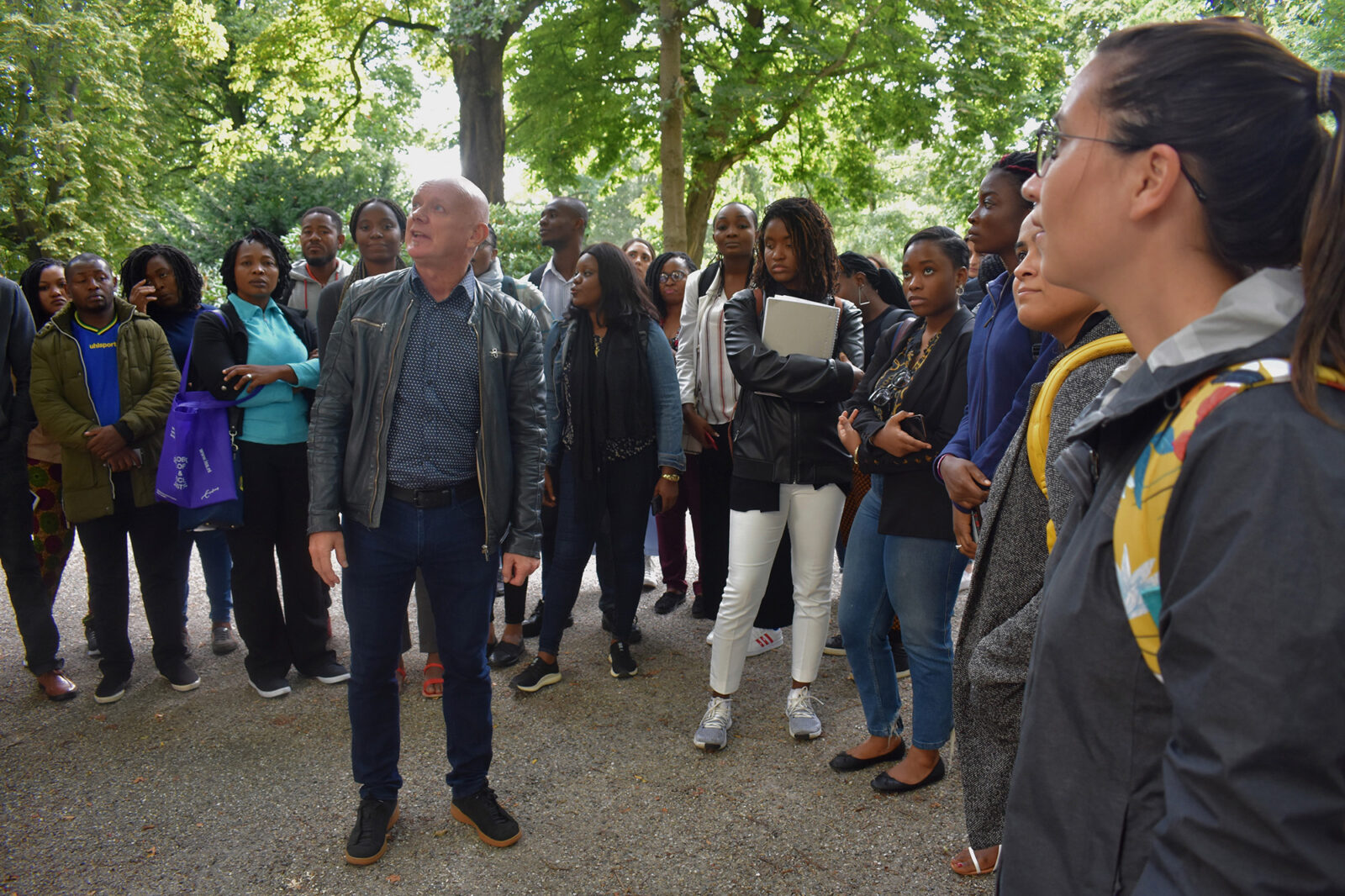
Image by: Fabienne Hoogendoorn
ISS offers both a master programme and various PhD pathways. Although the institute officially joined EUR in 2009, most students walking around Woudestein wouldn’t recognise these internationals as their colleagues.
That’s because ISS – besides being located outside Rotterdam – is set apart by something else: it is an internationally renowned centre of development studies. The 150 master students who set up in The Hague over the past week hail from some 50 different countries. For some of them, their programme at ISS is actually the first time they’ve set foot on European soil. Many of the students have already gained experience working for charities, development NGOs or even a ministry in their home country. Indeed, the average age of this year’s intake is a respectable 27.
Besides being older and more diverse than their fellow students in Rotterdam, some people say the ISS students are also visibly happier. PhD counsellor Tamara Harte remembers how last year, the ISS students were recognised as the ‘smiling internationals’ when they paid the EUR campus a visit – although this may have something to do with the many selfies they take during their tour of the Netherlands.
Royal Family
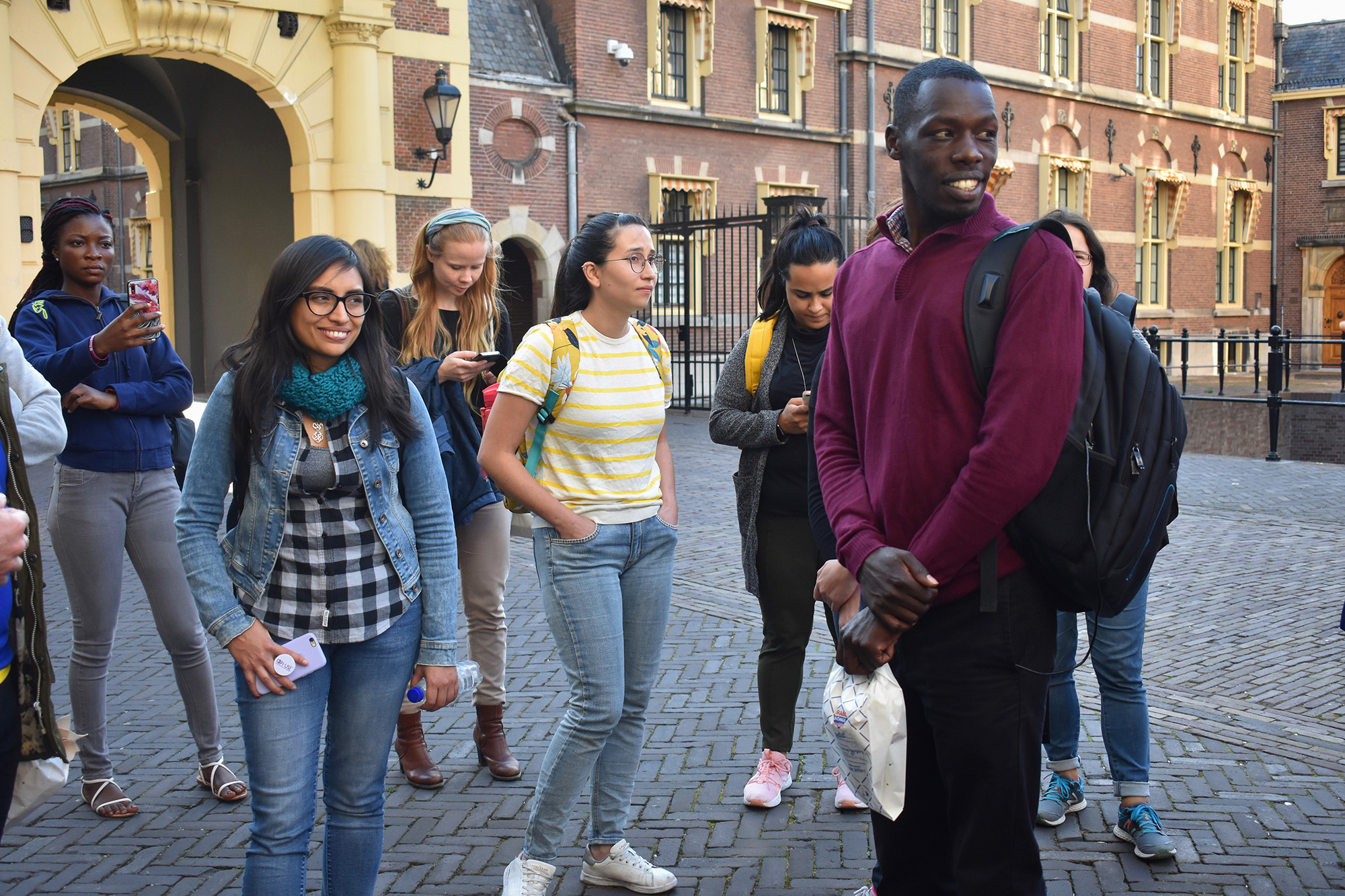
Image by: Fabienne Hoogendoorn
The walk through The Hague starts in front of the ISS’s imposing building opposite the Royal Stables near Noordeinde Palace. But the institute’s ties with the Royal Family don’t end there, explains Martin Blok. Before the former queen Beatrix asked back her offices, the ISS students actually slept in the royal palace. And before succeeding his mother as monarch, Willem-Alexander would occasionally drop by the institute opposite his old home to attend a lecture incognito.
During the tour of the palace gardens and the Binnenhof, the motley crew of Brazilians, Nigerians, Indonesians, Peruvians, Swiss, Americans and other nationalities share their experiences so far with their new host country. Dutch customs can be amazing: last year, for instance, a group of students actually ran into the Dutch PM Mark Rutte, cycling home after a meeting with the King. “In my country, they need heavy security any time they go outdoors,” remarks a student from Nigeria.
En route, the group spontaneously decides to check out the Hague gallery Chiefs and Spirits, which aptly enough presents work by artists from all corners of the globe. They are given an enthusiastic tour of modern portraits by the Nigerian artist Toyin Loye. As well as a few more photo ops: this time there’s extensive posing in front of a sculpture that looks a bit like a halved lettuce.
Birds
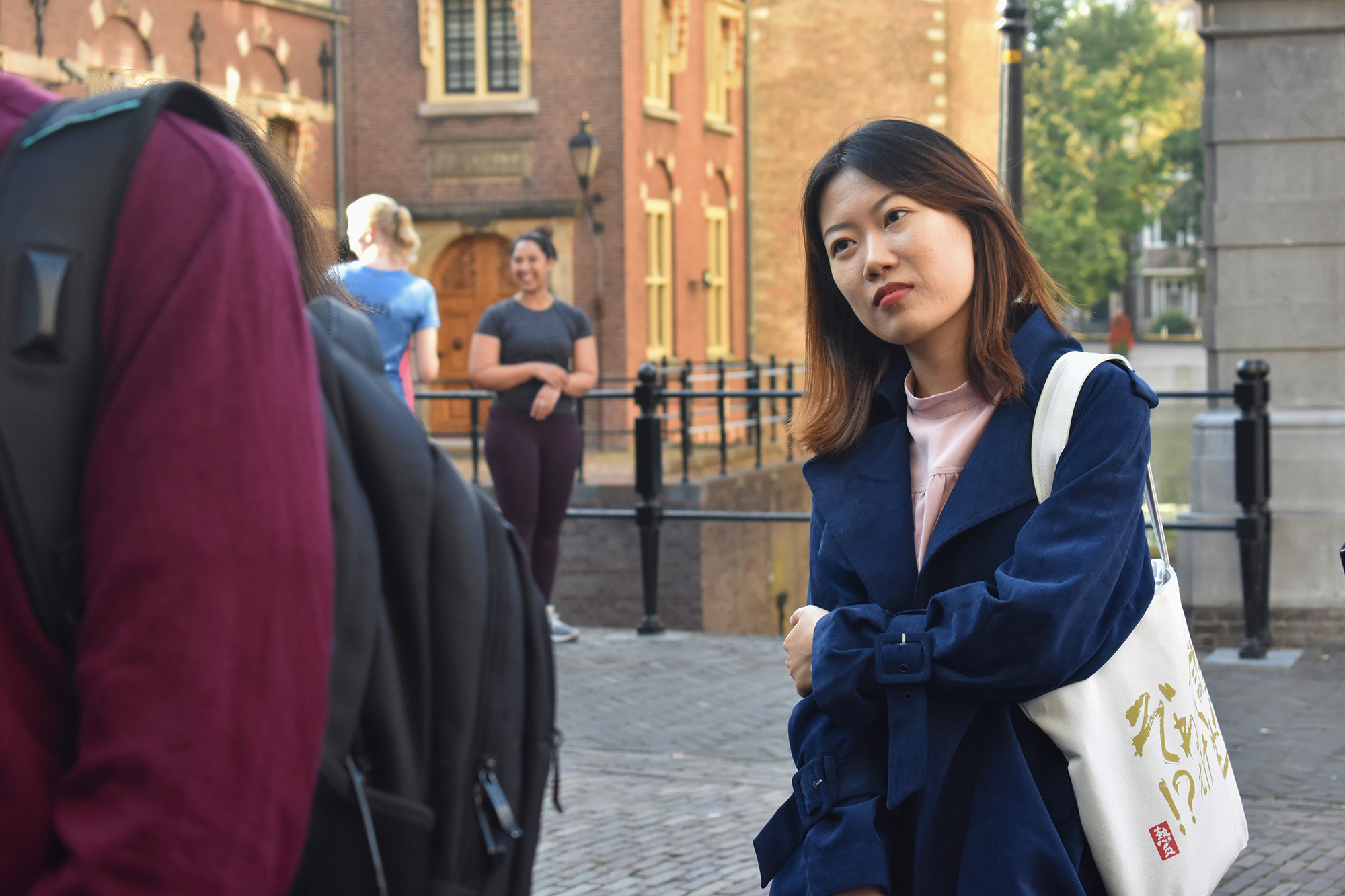
Image by: Fabienne Hoogendoorn
Besides learning about the Royal Family, getting a few tips about how to survive the Dutch weather and more than one warning about the perils of The Hague’s bike paths, the students also share their thoughts on the curriculum of their new programme. Over the next 15.5 months, they can choose from a range of specialist subjects, including migration, the food system and developing economies.
Some students find it harder to select their specialisation than others. Student Liu from China explains her predicament: “I’m very interested in human rights and gender issues. But if I chose something like that, it would be hard for me to find a job back home.” After studying Japanese, Liu contributed to the global food programme of the United Nations. A professor pointed her to ISS’s master programme, where she hopes to add depth to her newly found passion for development aid. And of course to enjoy life in a completely new environment. Asked about the most striking difference between The Hague and China, she says: “By Chinese standards, this city is incredibly small, and very green. I don’t think I’ve ever seen this many birds in one place!”
At the end of the walk, the sun starts to come out. Half the group decides to call it a day and – you couldn’t get more Dutch – have a few drinks on a cafe terrace. The rest of the brand-new EUR internationals walk back to ISS – tired but still deep in conversation.
De redactie
Latest news
-
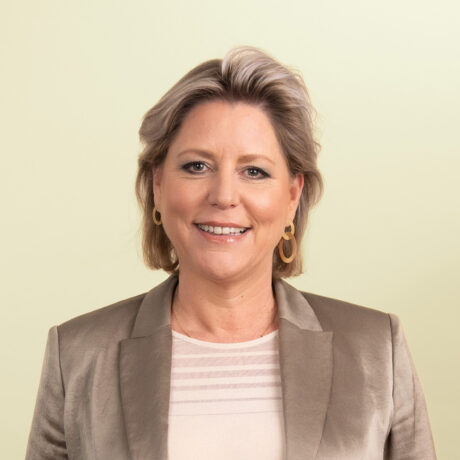
Letschert gives nothing away in first parliamentary debate
Gepubliceerd op:-
Education
-
Politics
-
-
Away with the ‘profkip’, says The Young Academy
Gepubliceerd op:-
Science
-
-

House of Representatives wants basic grant for university master after HBO
Gepubliceerd op:-
Money
-
Politics
-

Comments
Comments are closed.
Read more in Student life
-
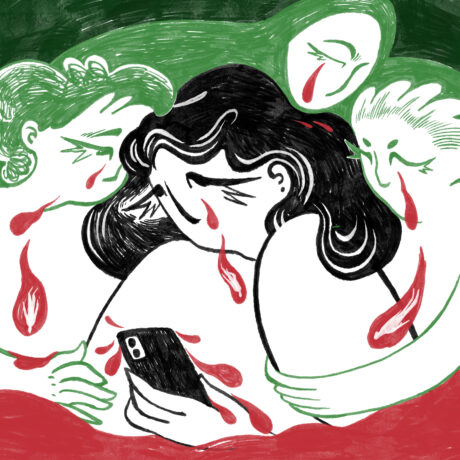
Large-scale student protests at universities in Iran
Gepubliceerd op:-
Student life
-
-
Medical student Daan Kluwer wins 10,000 euros to record his own jazz album
Gepubliceerd op:-
Student life
-
-
Master seeks master in love
Gepubliceerd op:-
Culture
-