Three strategy makers speak: ‘Anyone could share their opinion’
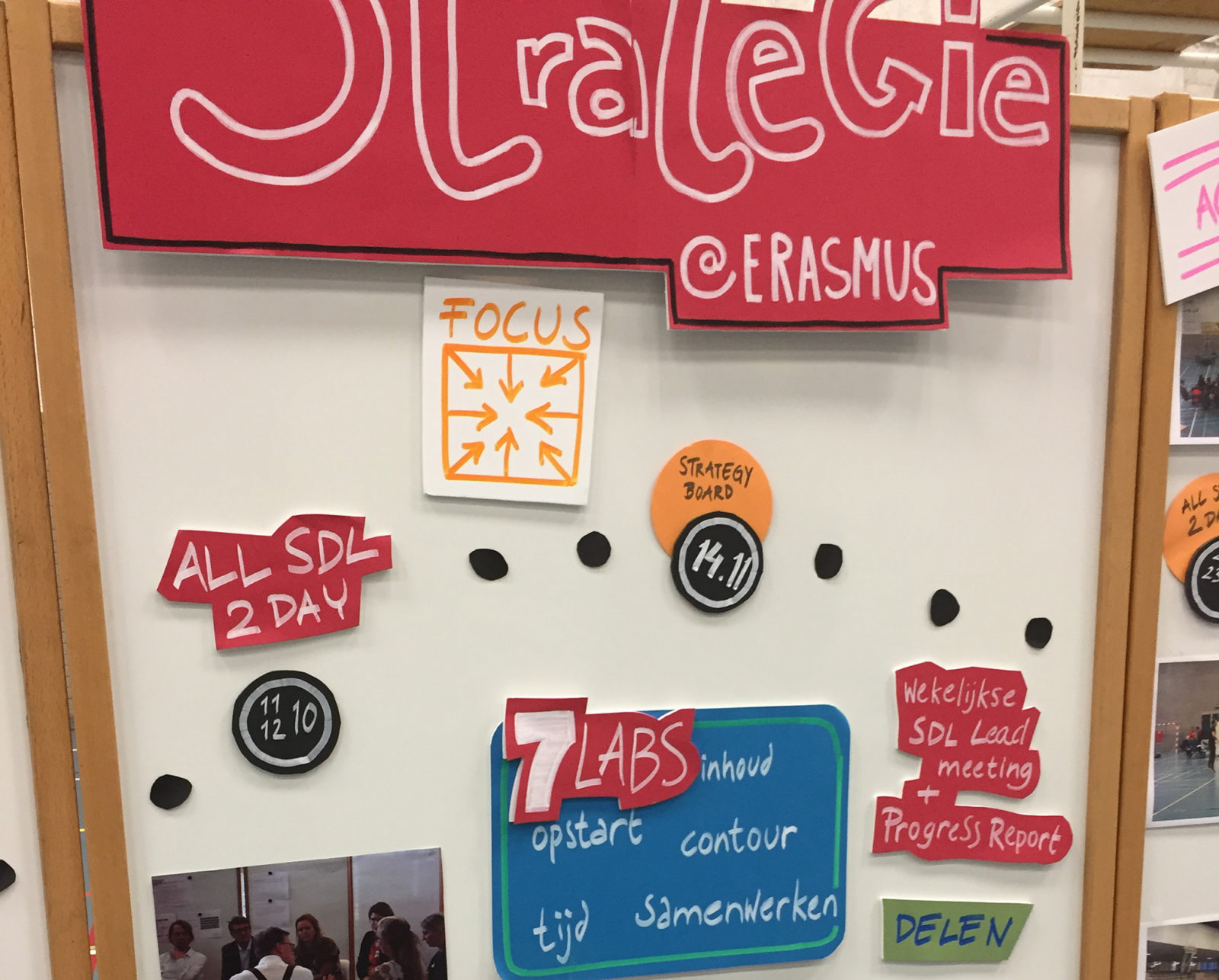
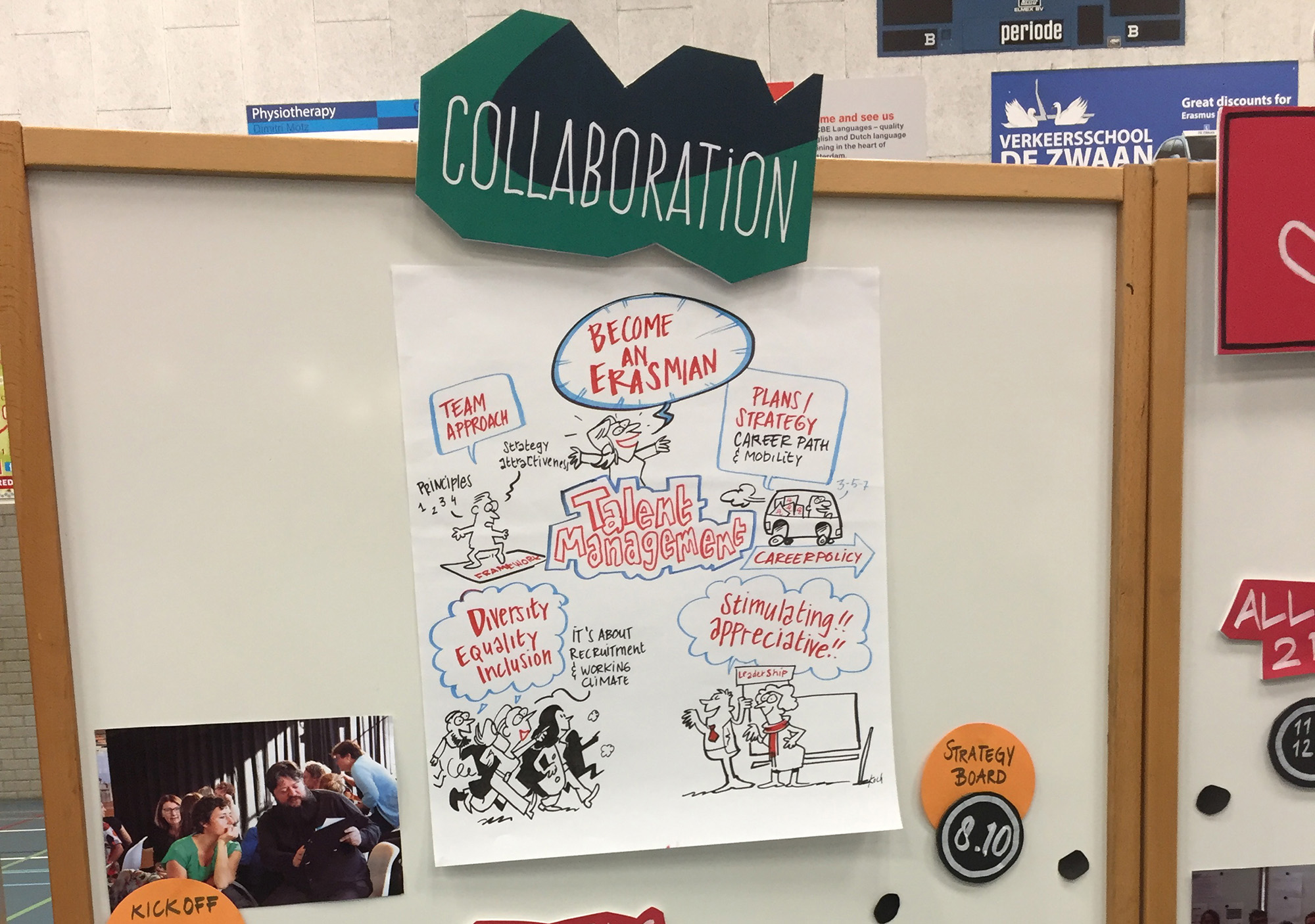
Over the past few months, staff members and students from all the various parts of the university worked on draft plans for the new university strategy. Never before had the university included this many people in the development of strategy plans. It was a new experience for everyone, including the chairpersons of the seven Strategy Design Labs, each of which focused on a specific subtopic of the Strategy 2020-2024. Three of them share their experiences.
‘It brought a lot’
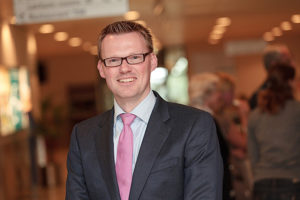
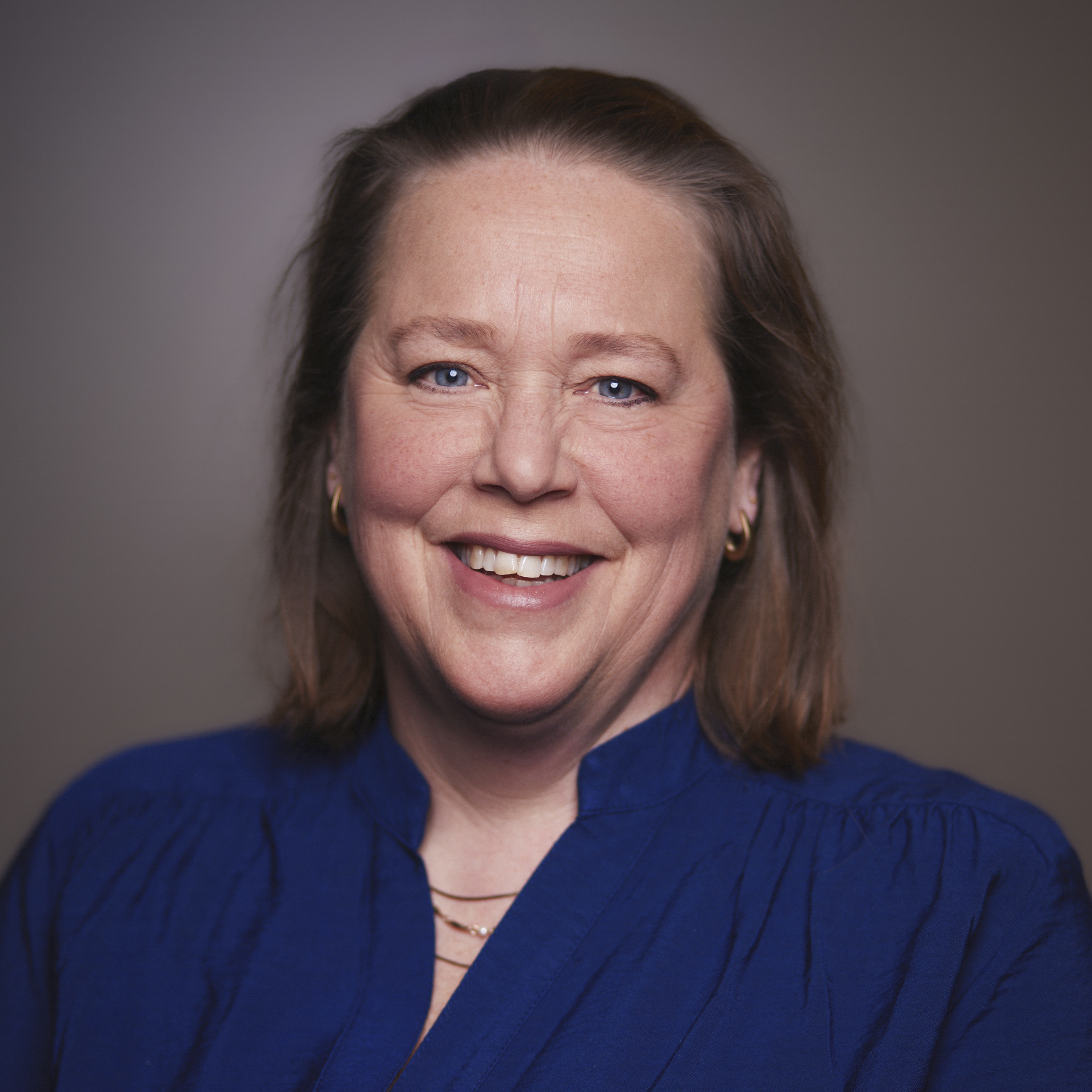
Pursey Heugens, full professor at the Rotterdam School of Management and chair of the lab: ‘Excellent Scientific Research, Anchored in Society’ (original Dutch name: ‘Uitstekend wetenschappelijk onderzoek verankerd in de samenleving’)
How did you experience the entire process?
“The last strategy was written by a single policy officer, so to speak, so this new process is something quite special. It has brought us a lot but was also a lot of work in a short span of two, three months. In the end, it came down to a lot of administrative work, a lot of writing. My overall impression is positive, however: a lot of good people put a lot of time into it.”
How did you experience the process with regards to the sports hall meetings, cartoons, manual work?
“As a professional strategist, I am well accustomed to those sorts of things. Process management can sometimes feel like an annoying distraction; you mostly want to spend as much time as possible devising plans instead of working on process guidance. In the end, however, it does help with the operationalisation. The schedule was just a bit tight.”
How did things go with your own lab?
“We looked at which disciplines we might be able to advance into the global top 20. However, centralised business intelligence is virtually non-existent at this university. In a couple of months’ time, we’ve been able to scramble together nine types of data about disciplines. That is a bit of a problem. We collaborated a lot with Arwin van Buuren’s lab (‘Developing Our Societal-Impact Identity’ – Dutch: ‘Ontwikkelen van onze maatschappelijke impact identiteit’), which was very helpful. We discussed research support at faculties extensively, for instance.”
What do you expect from the outcome?
“We were given an opportunity to discuss the process, and now all proposals are collected, and choices have to be made. I hope that awareness will increase with regards to the fact that we need to invest in research support. We are trailing behind other universities when it comes to support, and I hope that we will be able to make some progress thanks to the new strategy.
Read more
-
This is the state of affairs of the university’s new strategic plan
Gepubliceerd op:-
Governance
-
‘Refreshing’

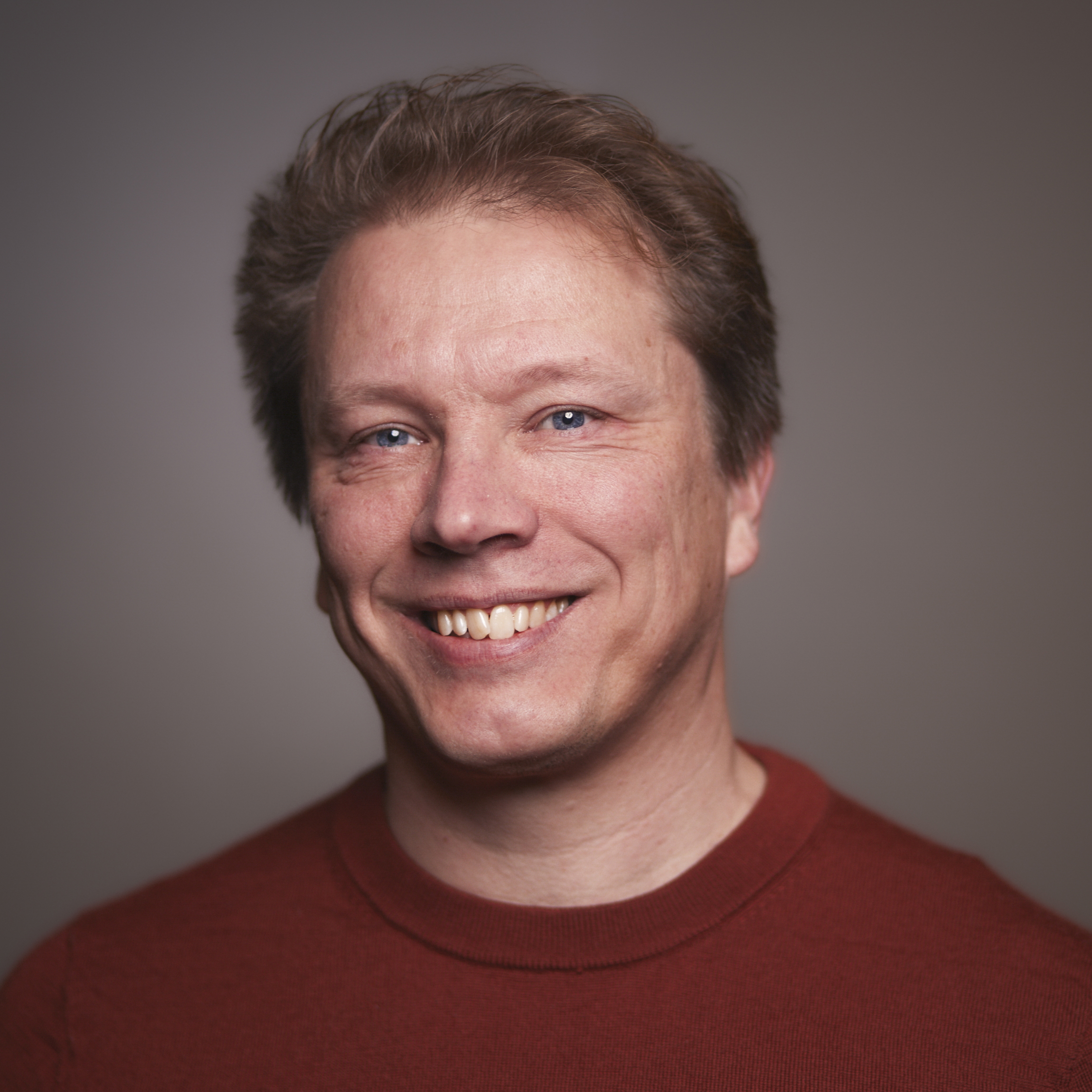
Peter Vervest, full professor at the Rotterdam School of Management and chair of the lab: ‘Future-Oriented Education’ (in Dutch: ‘Toekomstgericht onderwijs’).
How did you experience the entire process?
“I really enjoyed it and found the broad involvement of it refreshing. Usually, strategies are developed within the existing organisational structures, but with Einstein’s quote ‘Insanity is doing the same thing over and over again and expecting different results’ in mind, design thinking was applied to get new input.”
How did you feel about how the process was designed with regards to the sports hall meetings, cartoons, manual work?
“Refreshing. The sports hall was a bit cold, so we walked around a lot. It’s fun to work with cartoons and similar; it’s not strange at all. In the private sector you will find things that are a lot stranger.”
How did things go with your own lab?
“It was a good thing that the groups were made up of people from different faculties and from all layers of the university. Anyone, students included, could share their opinion, which lead to new insights. I would definitely call that innovative.”
‘Vision and pragmatism’
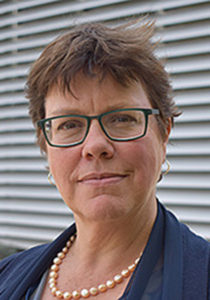
Liesbet van Zoonen, dean of the Erasmus Graduate School for Social Sciences and Humanities, and chair of the lab: ‘Optimally Utilising Our Interdisciplinary Potential’ (in Dutch: ‘Ons interdisciplinaire potentieel optimaal benutten’).
How did you experience the entire process?
“I enjoyed it, as I didn’t know many of the people and wasn’t aware of all the things we had in common. In our lab we had people from many and various disciplines: from RSM and ISS to a neuropsychologist, historian and gynaecologist.”
How did you feel about how the process was designed with regards to the sports hall meetings, cartoons, manual work?
“I am familiar with the methodology of design thinking and I am not afraid to get my hands dirty when a bit of crafting or tinkering is involved. The fact that you couldn’t sit down during the sessions and that there was very loud music at times made it an entirely different process, which is good.”
How did things go with your own lab?
“Through the framework, the deans and executive board pointed us in the right direction, and we didn’t veer too far from that. Our task was to flesh it out. We tried to make our proposals as concrete as possible. There’s no point in straying off track. I would call it a good combination of vision and pragmatism.”
What do you expect from the outcome?
“One of our proposals is linking university professors to existing Erasmus Initiatives. These Initiatives are already thematically well chosen, but they need to become more inclusive and extensive. These university professors will be surrounded by a crew of energetic talents who link education and societal impact in a way that’s in keeping with the respective interdisciplinary research theme. They can help to shape the EUR strategy in a concrete manner. We have had our ideas assessed by other labs, and it seems that our ideas match well with theirs.”
De redactie
-
 Wieneke Gunneweg
Editor-in-chief
-
 Elmer Smaling
Deputy editor-in-chief
Latest news
-
Letschert gives nothing away in first parliamentary debate
Gepubliceerd op:-
Education
-
Politics
-
-
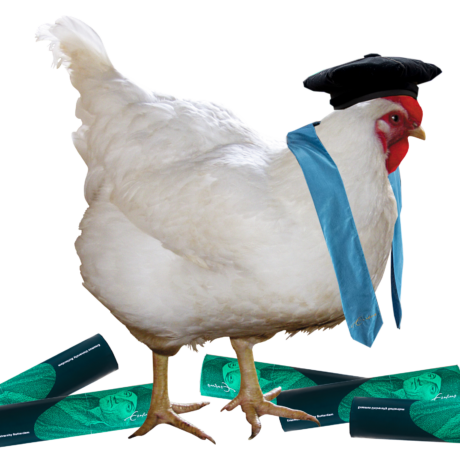
Away with the ‘profkip’, says The Young Academy
Gepubliceerd op:-
Science
-
-

House of Representatives wants basic grant for university master after HBO
Gepubliceerd op:-
Money
-
Politics
-

Comments
Comments are closed.
Read more in Governance
-

Executive Board supports institutes ISS and IHS’s wish to merge
Gepubliceerd op:-
Governance
-
-
Broad Rotterdam Student Council has first months behind it: ‘We are now really taking part at city level’
Gepubliceerd op:-
Governance
-
-
Thousands of students and lecturers take to the streets for higher education
Gepubliceerd op:-
Governance
-