Trade unions call for nation-wide educators’ strike
Teachers and lecturers working in all sectors of the Dutch education system will go on strike on 15 March. In The Hague’s Malieveld park, they will march for a €2.9 billion investment in the Dutch education system and protest their high workload.
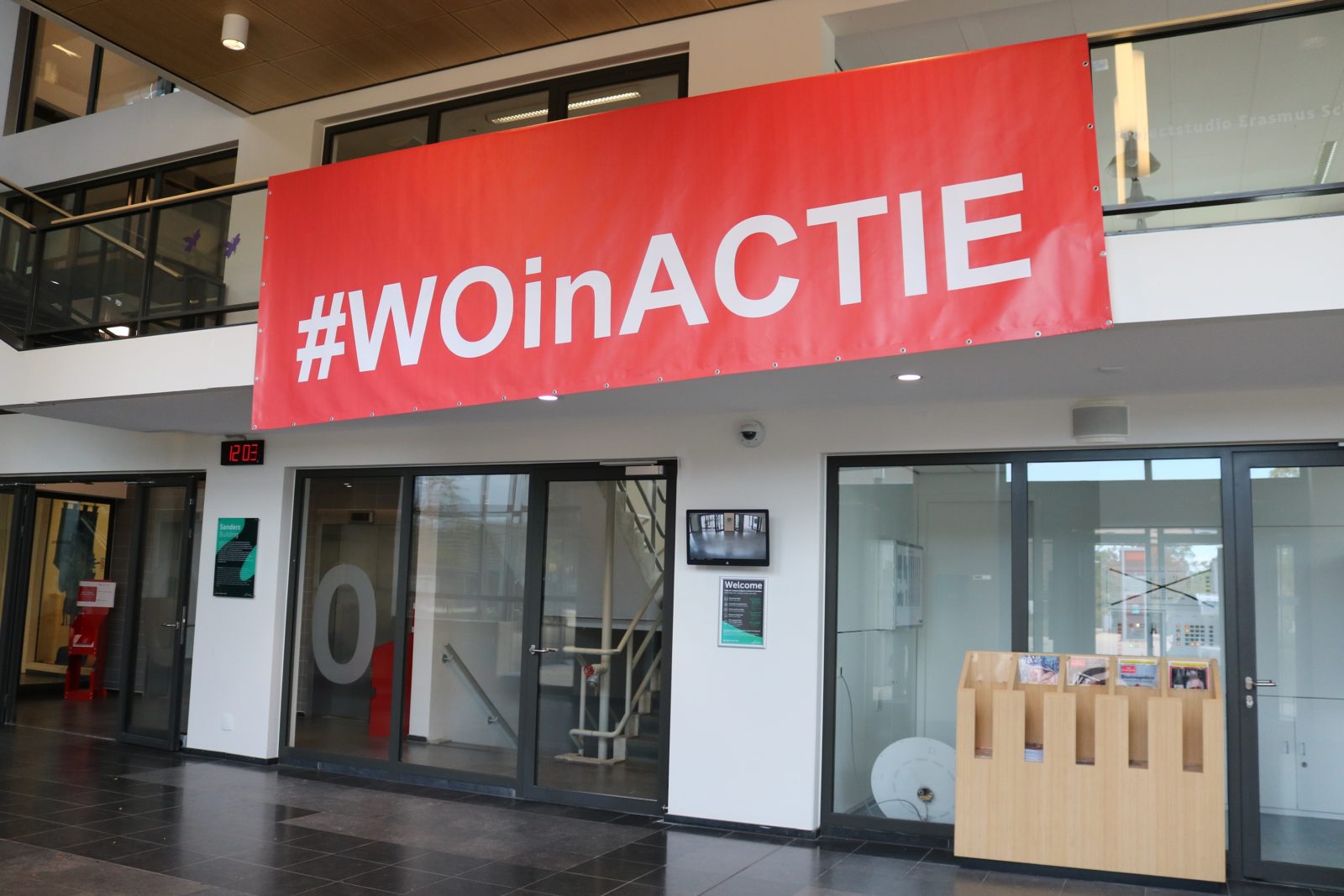
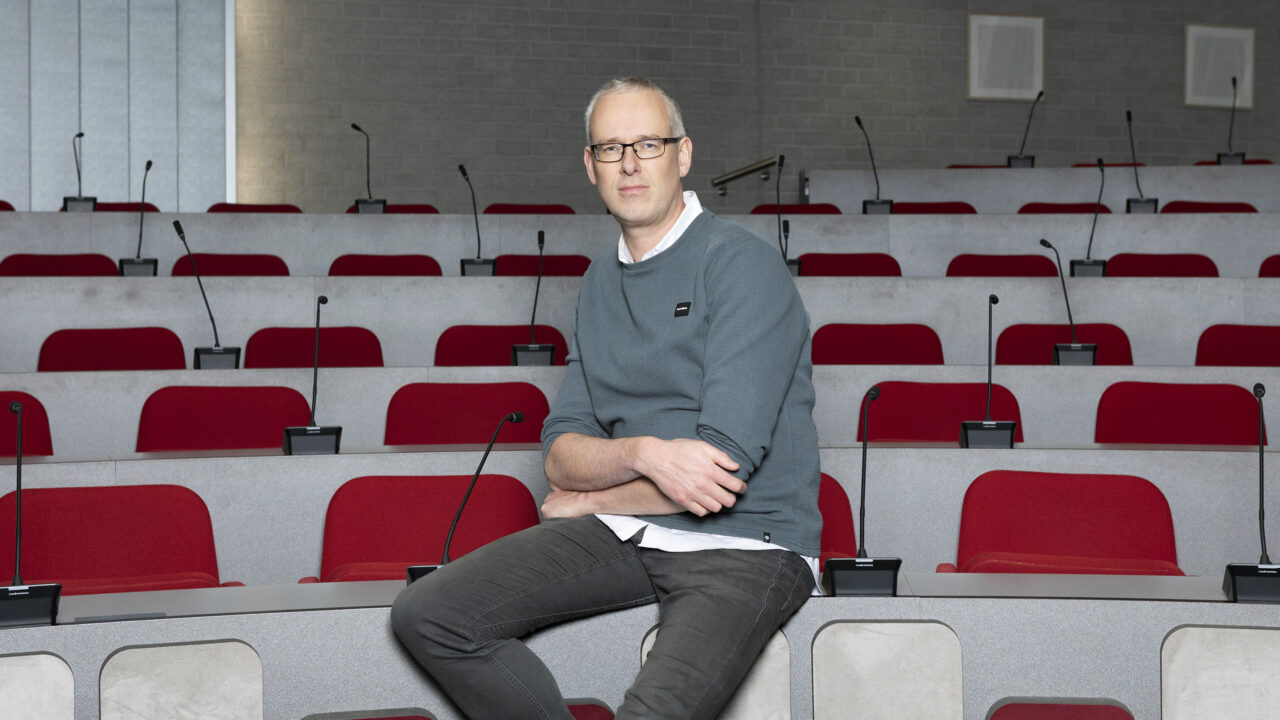
Image by: Erasmus Magazine
Also read
-
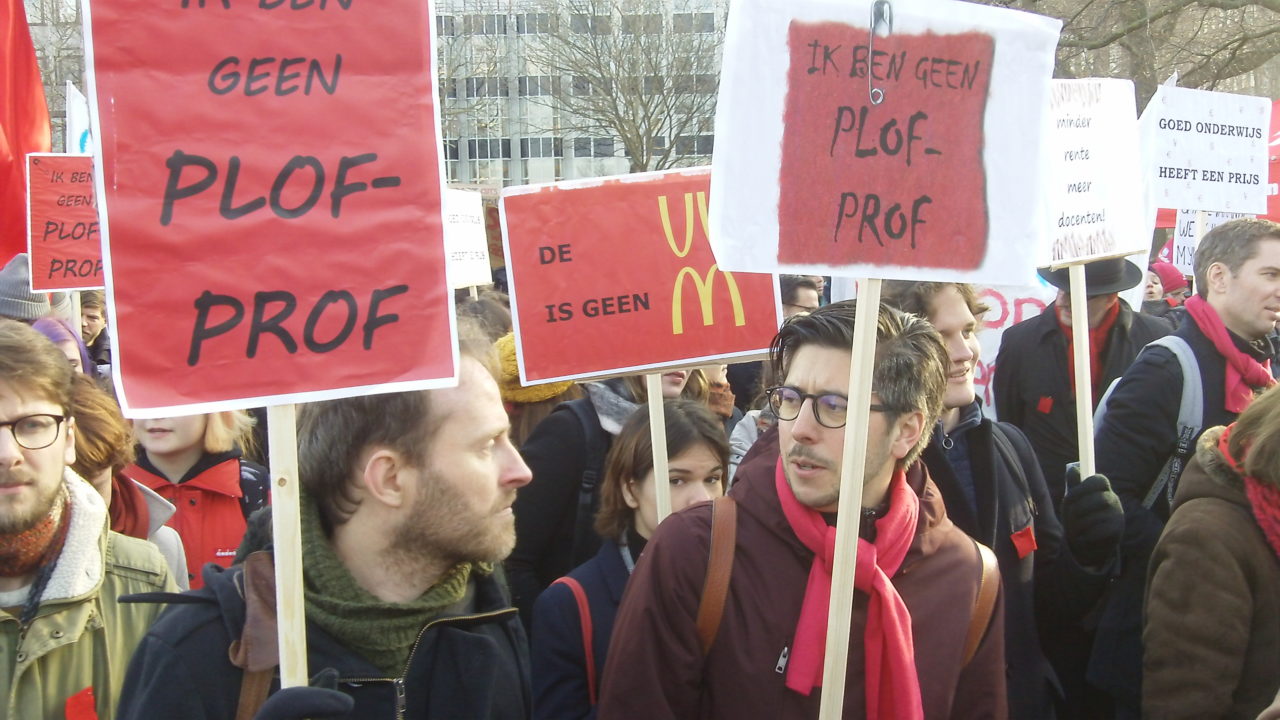
WOinActie protest: ‘The next step is a strike’
Gepubliceerd op:-
Education
-
The strike will be the grande finale of a nation-wide action week organised by Algemene Onderwijsbond (AOb, the trade union representing all educators) and the FNV Educators’ and Researchers’ trade union.
The WOinActie protest movement, the driving force behind the demonstration held in The Hague on 14 December 2018, supports the action week, ‘and the strike, as well, in principle’, says the movement’s initiator, Rens Bod, a professor at the University of Amsterdam. “However, our support [for the latter] is contingent on the approval of our representatives at the universities.” A meeting attended by representatives of all Dutch universities, to be held on 21 January, will show whether the strike has the representatives’ support.
Hiring additional lecturers
The demands drawn up by AOb and FNV Educators and Researchers largely match those expressed by WOinActie: the so-called ‘efficiency cuts’ (huge budgets cuts) must be cancelled, and instead, the Cabinet must earmark €1.15 billion for ‘overdue financial injections’ in tertiary education. All three parties want the funds that will become available due to the abolition of student grants to be used for the hiring of additional lecturers.
Dutch universities of applied sciences do not have an action club of their own and are represented by the aforementioned trade unions. “Just like university lecturers, we, too, demand that the efficiency cuts be taken off the table. In addition, we want more staff and higher wages,” says Douwe Dirk van der Zweep, who is on AOb’s Board.
Van der Zweep was quick to emphasise that the demands are addressed to politicians (there is a reason why the strike was scheduled for 20 March, i.e., five days before the elections for the provincial parliaments) rather than to employers (i.e., schools and universities). “Therefore, we assume that the institutions will help us make this happen.”
De redactie
Latest news
-

Student on the ballot: Mina goes for climate targets and affordable housing
Gepubliceerd op:-
Politics
-
-

Walking from A to B without being filmed is no longer possible on campus Woudestein
Gepubliceerd op:-
Security
-
-
A maximum number of PhD candidates per professor? That is not going to happen
Gepubliceerd op:-
Column
-


Comments
Comments are closed.
Read more in Campus
-
Student on the ballot: Mina goes for climate targets and affordable housing
Gepubliceerd op:-
Politics
-
-
Walking from A to B without being filmed is no longer possible on campus Woudestein
Gepubliceerd op:-
Security
-
-

Student on the ballot: Kim wants an accessible and understandable municipality
Gepubliceerd op:-
Politics
-
