‘God is almighty and can influence time too’

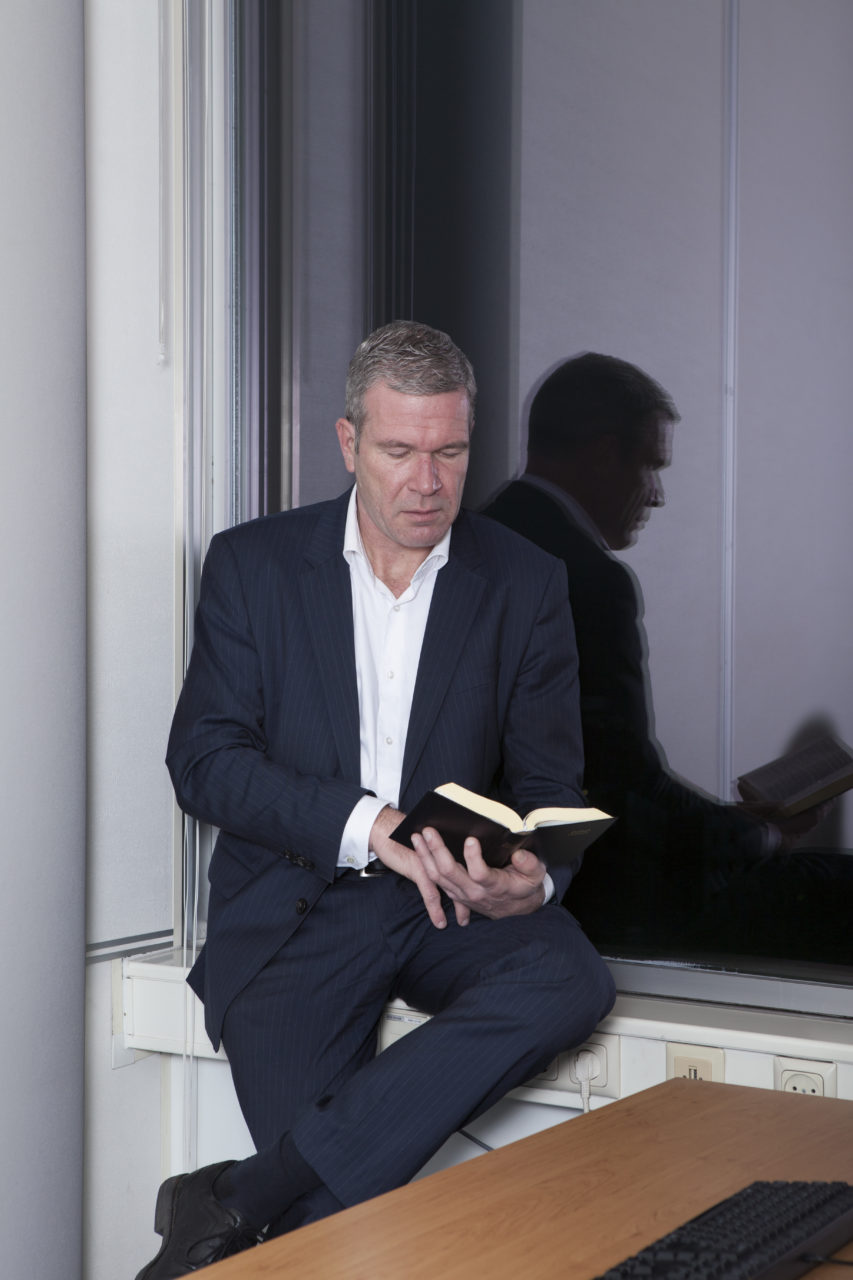
Image by: Geisje van der Linden
Name: Elbert Dijkgraaf
Position: Professor of Empirical Economics of the Public Sector (holding an endowed chair)
Faculty: Erasmus School of Economics
Religion: Protestantism
“I am convinced that religion and science are two sides of the same medal. On the one hand, science allows you to discover things that are closer to home and gain a more thorough understanding of the world. On the other hand, religion allows you to attribute things that are incomprehensible to God. This gives me a more relaxed approach to life.
I find it easier to include my religious background in my teaching than in my research. For instance, when I’m teaching, I will try to explain to my students that there is an ethical aspect to cost-benefit analyses: just because there are financial benefits does not automatically mean that you must do something, since you have to take into account ethical considerations, as well.
‘I didn’t want people to think: I bet that Dijkgraaf doctored the figures.’
When doing research, you deal with facts. If you do it properly, your results will not be affected by ethical considerations or beliefs. In order to avoid a potential conflict of interest, I once declined taking part in a study that involved performing a cost-benefit analysis of keeping shops closed on Sundays. I didn’t want people to think: I bet that Dijkgraaf doctored the figures.
God is almighty. He can influence time, too. For example: God creates a tree on Day 1. On Day 2, a scientist checks how old this tree is. His knowledge of science tells him he must count rings. This tells him the tree is forty years old. From a scientific point of view, the scientist is right, and yet he is also wrong. God knows this. He only planted the tree the day before.”
Read more about religious views on campus in our Christmas special
De redactie

Latest news
-

Letschert gives nothing away in first parliamentary debate
Gepubliceerd op:-
Education
-
Politics
-
-
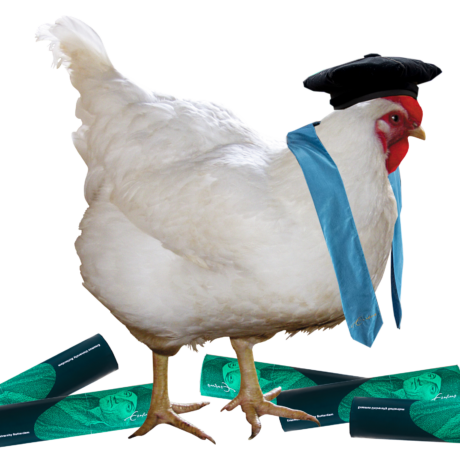
Away with the ‘profkip’, says The Young Academy
Gepubliceerd op:-
Science
-
-

House of Representatives wants basic grant for university master after HBO
Gepubliceerd op:-
Money
-
Politics
-


Comments
Comments are closed.
Read more in Religion
-
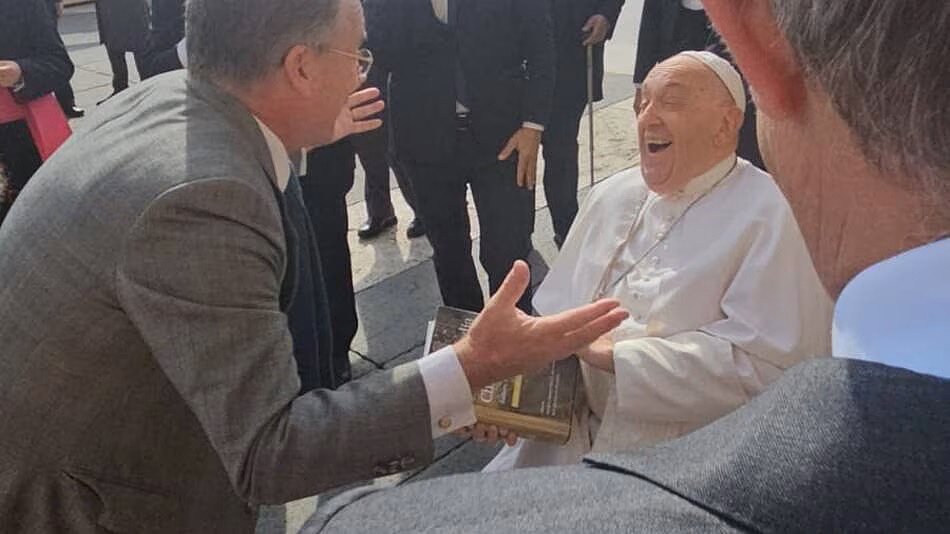
After fifteen years of work, Professor Van Geest presented his encyclopedia to the Pope
Gepubliceerd op:-
Religion
-
-
The Rotterdam priest Erasmus was no prude
Gepubliceerd op:-
Religion
-