How to solve the plastic soup issue?
The amounts of plastic in the oceans increase by the day. The result: at least five giant gyres of plastic soup, the largest estimated as big in surface as 34 times The Netherlands.
The intestines of birds, fish and turtles are filled with plastic, so biodiversity is seriously threatened. Time to ask Gail Whiteman, professor of business society management and specialized in sustainability and climate change, if something can be done about it and – even more important – do we want to?
Amongst all global problems, the plastic soup is a relatively new one, or isn’t it?
“Yes, the issue of the plastic is one of the last forty years, max fifty years, plastic being a relative new material. The use of plastic skyrocketed from the fifties onwards. Since those times the throw away culture is part of the appeal: you don’t need to do the dishes, you can just throw them away. It’s a matter of convenience. The problem is that we don’t have a real consistent way of getting rid of the plastic. It lasts too long, it’s not biodegradable, while it was made to be temporary. So where does it go? Some can be recycled, some is thrown into the garbage, which means that it will be either burnt or put in landfill. And then there is a whole bunch – and you can even notice this when walking to campus – which is just thrown on the ground. Since The Netherlands is a windy country, this means that a lot of the garbage goes into the water. And the water ends up somewhere: the garbage seems to disappear, but there is no real disappearing from the earth system. So where does it go? Right, into the seas and the oceans.”
Why is it called soup?
“Once plastic is out there, it breaks down in tiny little pieces but it is still there. That’s why they call it a soup.”
Who is responsible for the soup?
“Plastic soup is a classic global common problem at which everyone around the world is contributing. So it’s complex to figure out who is dumping the plastic, certainly not only the developing countries alone, because garbage from everywhere ends up there. But some countries have more environmental awareness then others. I am Canadian, and we have much more a culture of not throwing things onto the ground. It’s a taboo just to throw your plastic bottle on the ground. In The Netherlands I see that people just throw things on the ground and no one is telling them to pick them up. And when asked, people say the government cleaners will come along to sweep it up, quite a different attitude.”
Will the plastic end up in our own food chain?
“The problem is that animals die from it. I don’t know if you are familiar with the horrible pictures of dead birds cut open and their intestines filled with plastic. They do not know it is not food and it kills them. The thing is if plastic is eaten by fish and you catch the fish, you can put the large parts of plastic out of it; it’s the small plastic parts that matter. But most of all, right now it’s a huge problem for the oceans and ocean diversity and it just stems from carelessness; from a throw away culture; from the idea that the one energy drink bottle I leave behind doesn’t make any difference.”
Read the entire article and possible solutions for the plastic soup in EM #03, which appears tomorrow.
Latest news
-

Letschert gives nothing away in first parliamentary debate
Gepubliceerd op:-
Education
-
Politics
-
-
Away with the ‘profkip’, says The Young Academy
Gepubliceerd op:-
Science
-
-

House of Representatives wants basic grant for university master after HBO
Gepubliceerd op:-
Money
-
Politics
-
Comments
Comments are closed.
Read more in Research
-
How investment treaties undermine the voices of local communities
Gepubliceerd op:-
The PhD Defence
-
-
Why it is hard to find a connection between the psychiatric illness and the brain
Gepubliceerd op:-
The PhD Defence
-
-
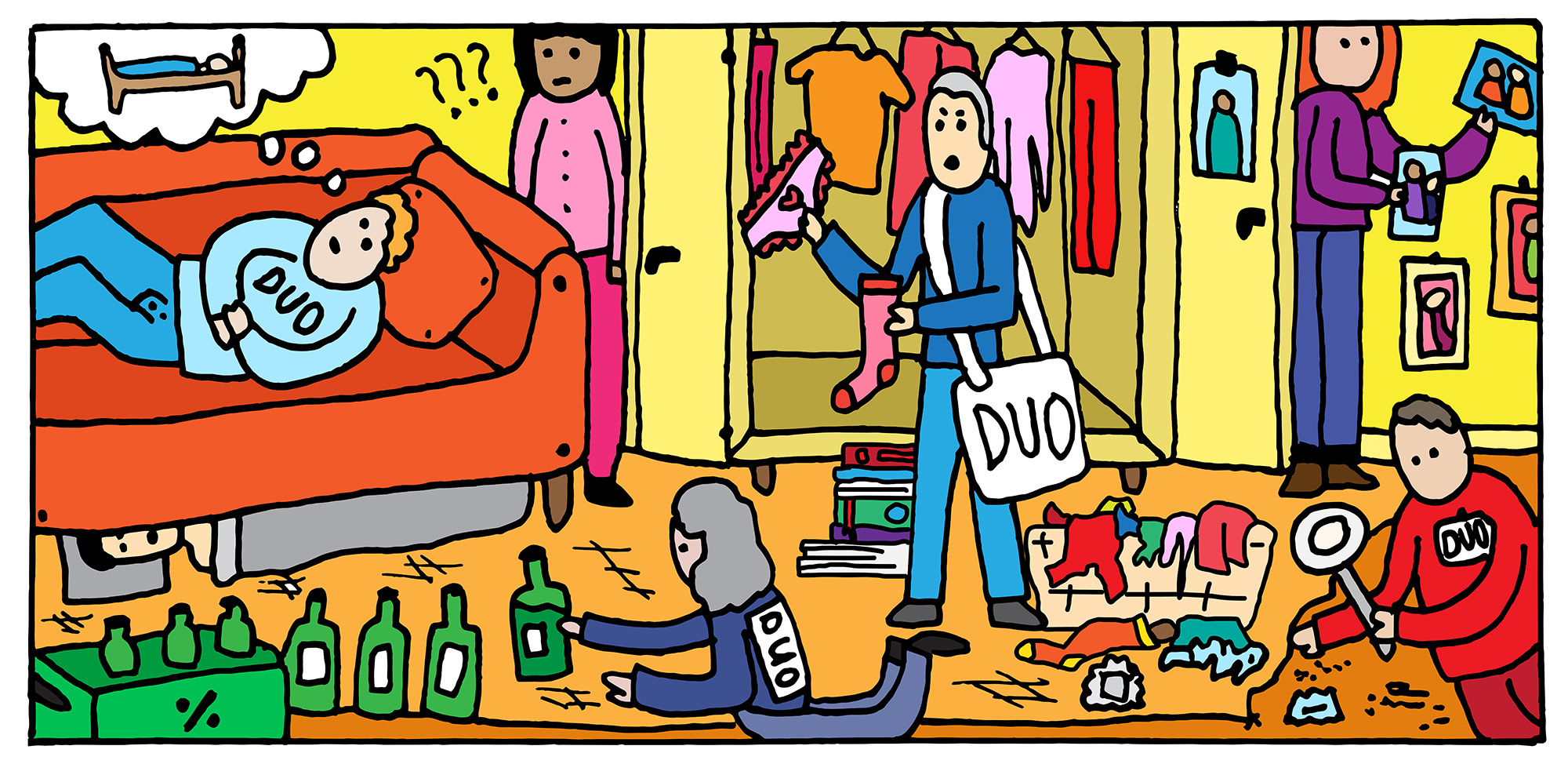
Investigation into DUO fraud hunt nominated for ‘Loep’
Gepubliceerd op:-
Research
-