Diversity in times of polarisation
Discussions on diversity and inclusion in higher education have in recent years become increasingly politicised and more often lead to heated reactions. This is revealed by a large-scale investigation into the diversity and inclusion policies of 21 higher education media from 13 universities and eight university of applied science in the Netherlands.
While a few years ago it was mostly about performance-based themes such as more women at the top and recruiting more international students, the discussions are now about anti-racism, gender identity and adapting (‘decolonising’) education, the survey reveals. In the article below, several diversity officers talk about having been threatened.
Read more
-
Diversity employees in higher education regularly face violent reactions or harassment
Gepubliceerd op:-
Campus
-
Attempts to make education more inclusive regularly meet resistance from both supporters and opponents of diversity policies. Whether it is about adjusting a western bias in the curriculum or the sign hanging on the toilet door. Below, the four biggest points of contention are discussed.
Read more
-
How hot topic issues dominate the debate on diversity and inclusion in higher education
Gepubliceerd op:-
Diversity
-
Diversity officers want to make their institution a place where no one experiences additional barriers due to factors such as race or gender. Almost all of them face negative or intimidating reactions, some even receive threats.
Read more
-

Figureheads of diversity policy need to be thick-skinned
Gepubliceerd op:-
Diversity
-
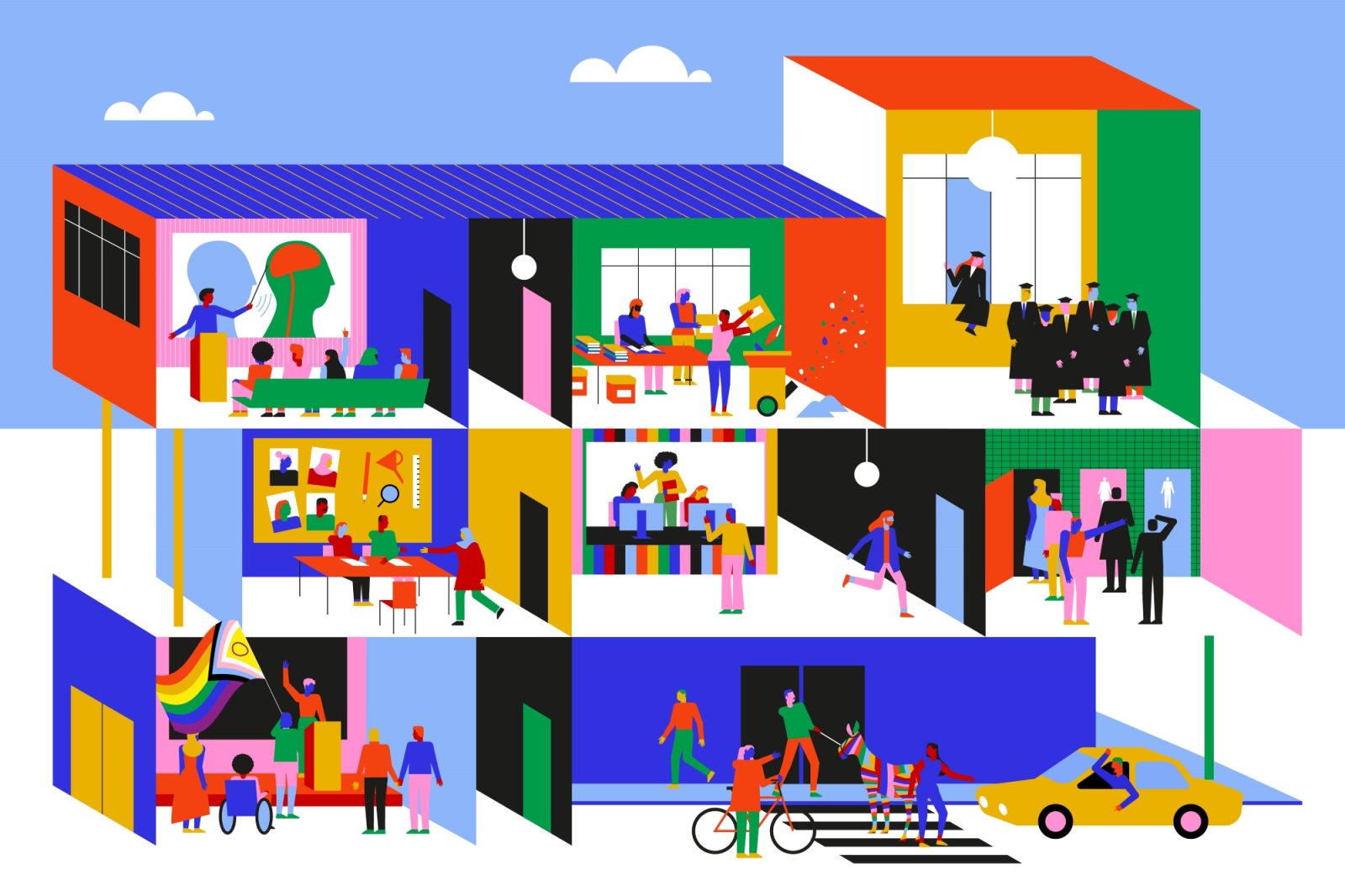
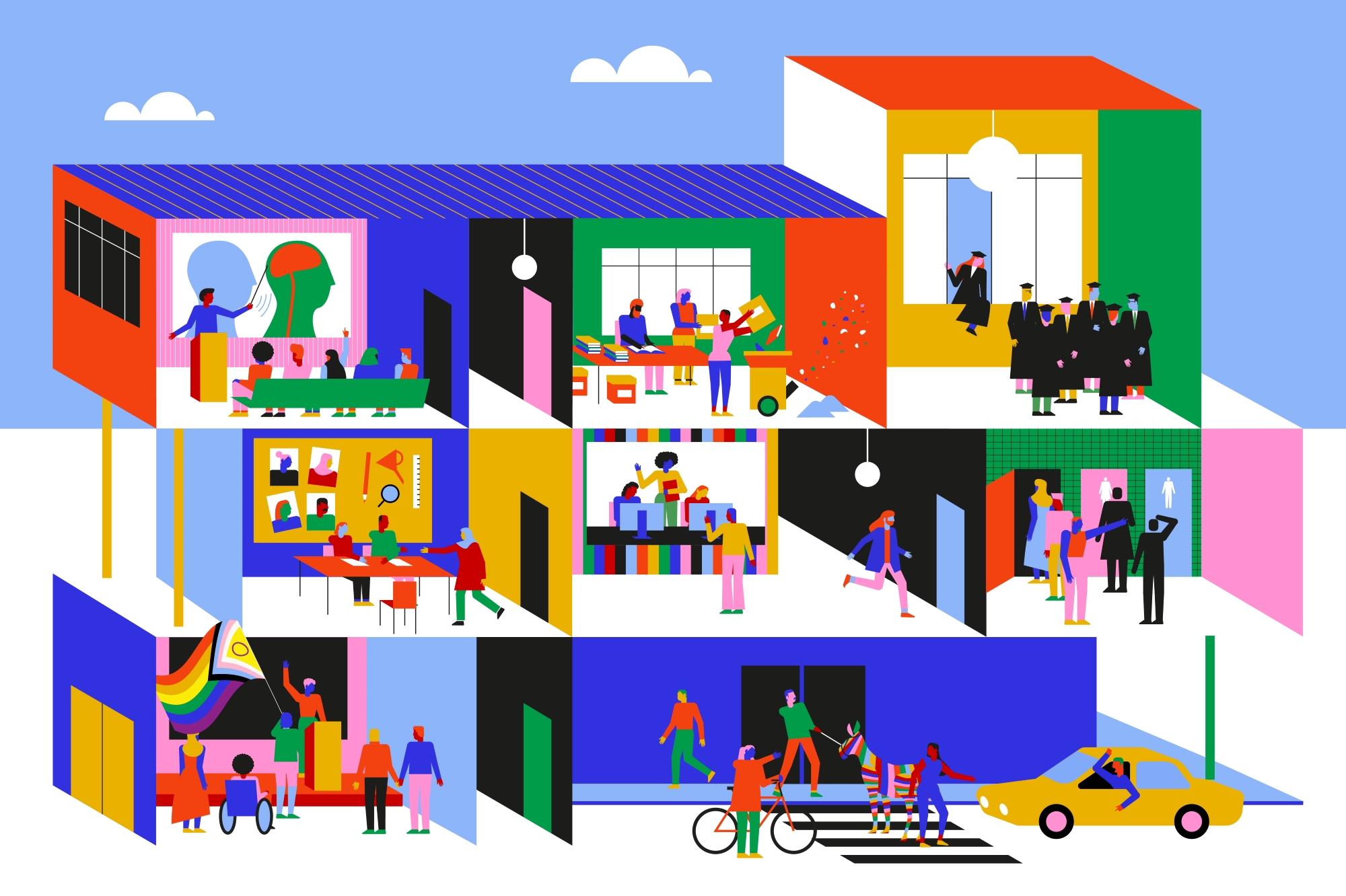
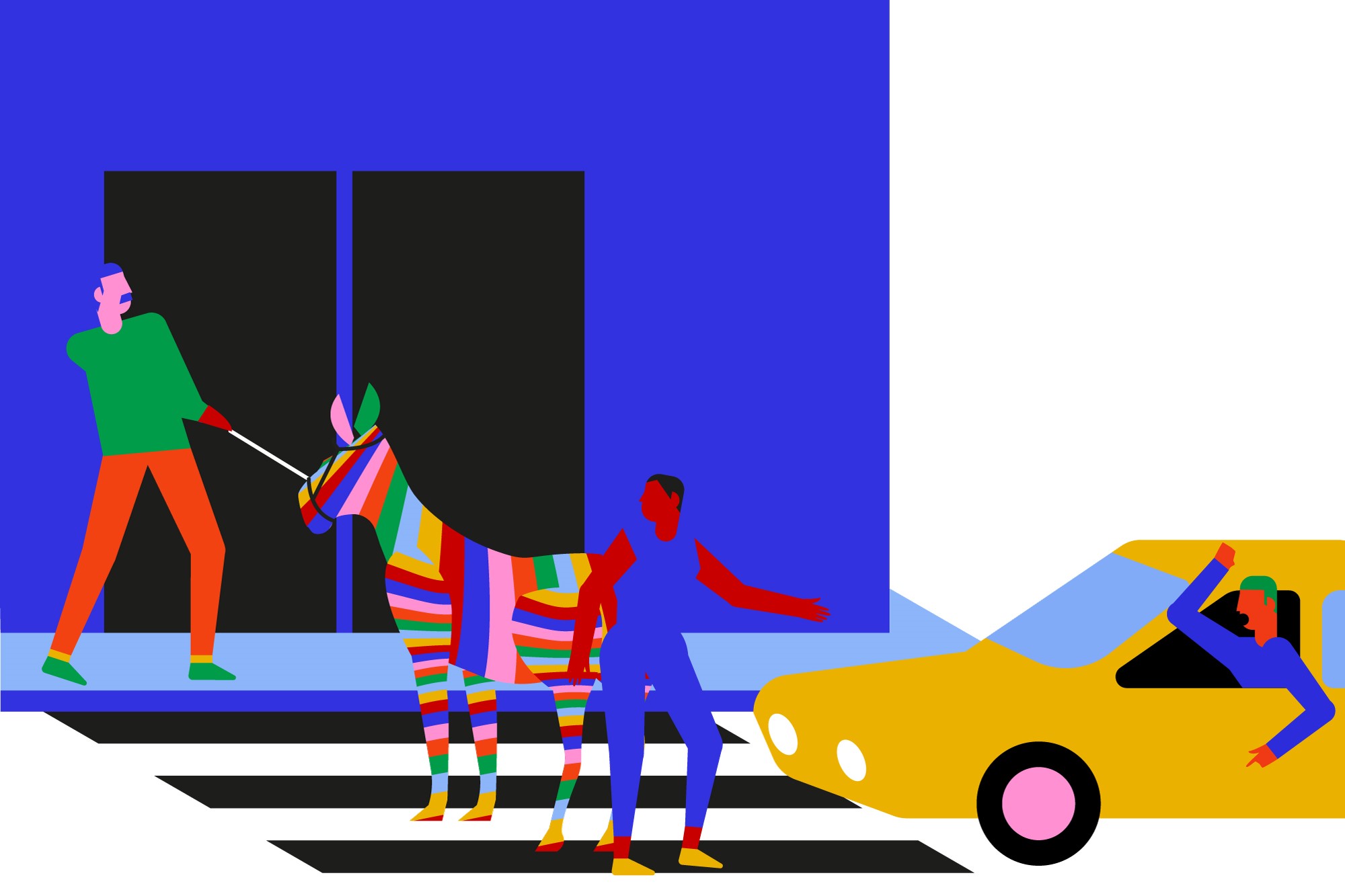
From a more inclusive curriculum to a rainbow zebra crossing and target figures for female professors. Higher education institutions are doing all kinds of things when it comes to diversity and inclusion. What do students and staff see in practice from all the resolutions and notes?
Read more
-
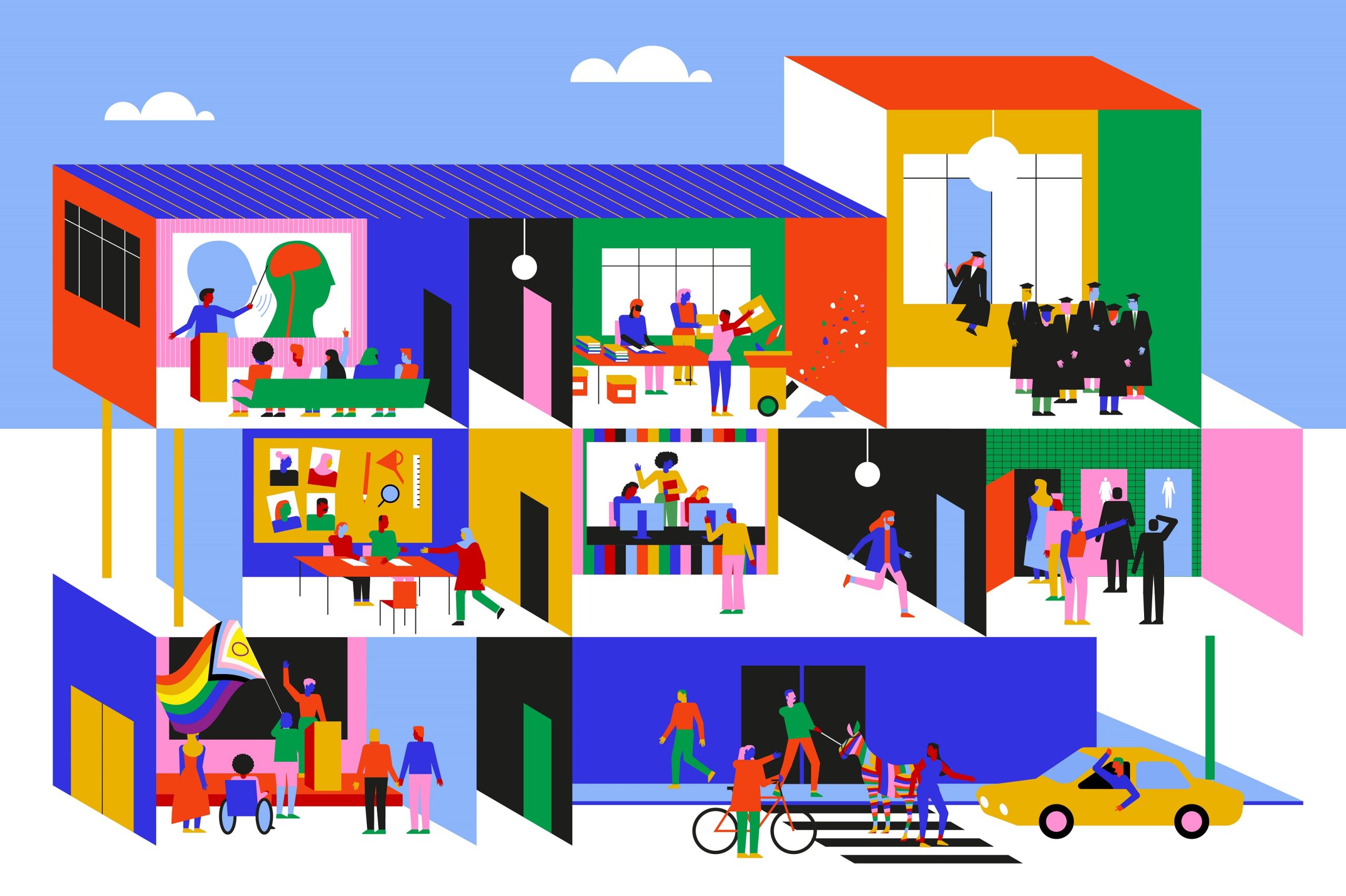
Gender quota, rainbow crossings and decolonisation. What diversity policy in higher education looks like
Gepubliceerd op:-
Diversity
-
“If I have learned one thing in recent months while researching diversity and inclusion in higher education, it is that words matter,” writes editor-in-chief Wieneke Gunneweg.
Read more
-
Words matter
Gepubliceerd op:-
Editorial
-
The research ‘Diversity in times of polarisation’ was conducted by the independent journalistic media of higher education institutions organised in the Council of Editors-in-Chief of Higher Education Media.
Read more
-
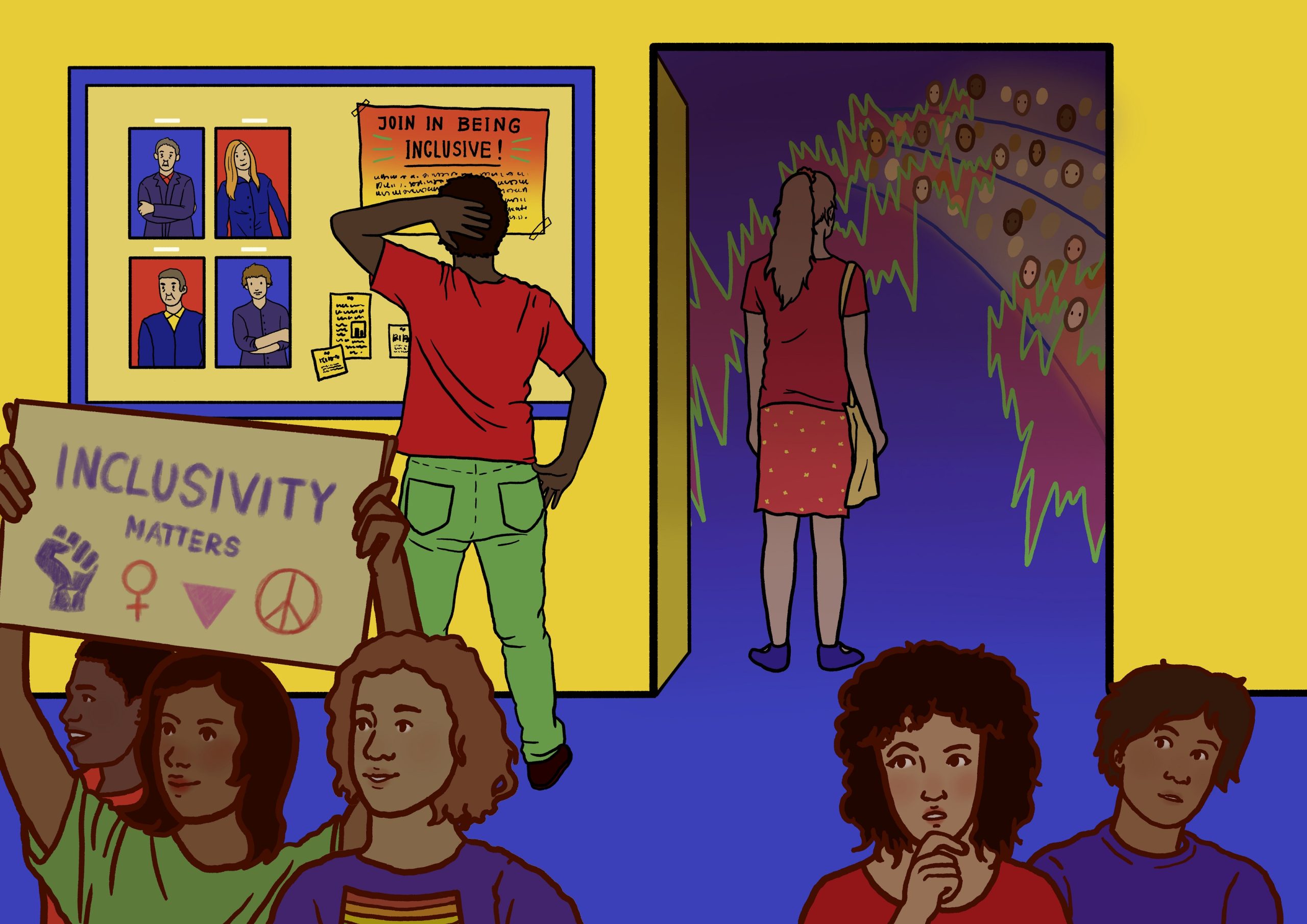
Students and staff about diversity: from ‘fear of cancellation’ to ‘toxic climate’
Gepubliceerd op:-
Diversity
-
What does diversity look like through the eyes of a photographer? Thanh Nguyen studies Communication and Media and photographs for Erasmus Magazine. She made a photo series about hairstyles. “A hairstyle is a way to express yourself.”
Read more
-
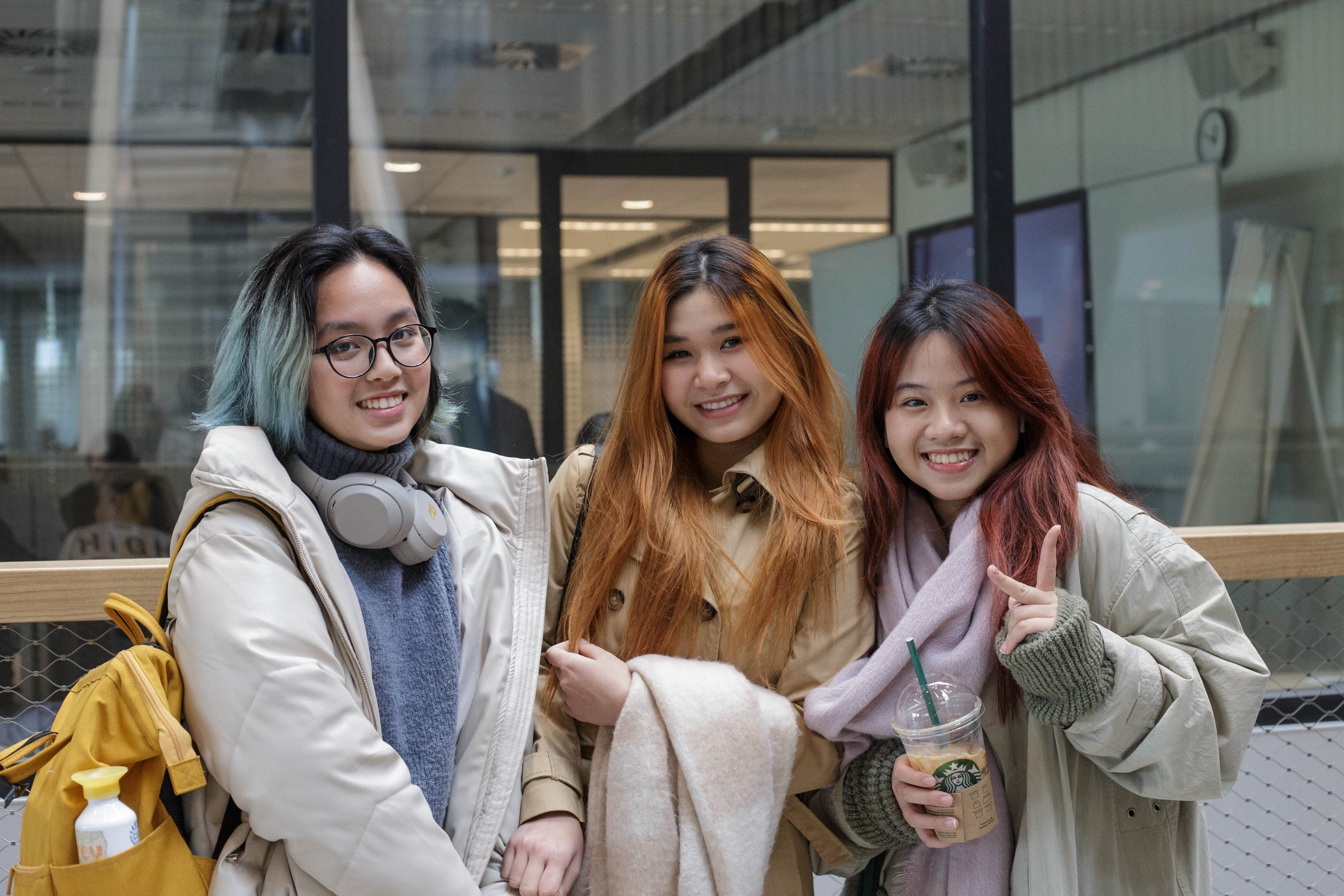
‘Dyed hair is a bit of a rebellion’
Gepubliceerd op:-
In Pictures
-
What does diversity look like through the eyes of a photographer? Ali Alshamayleh studies Communication and Media and is a photographer. His series is about talent. “You don’t have to look far to see an amazing diversity in what people do outside of academia.”
Read more
-
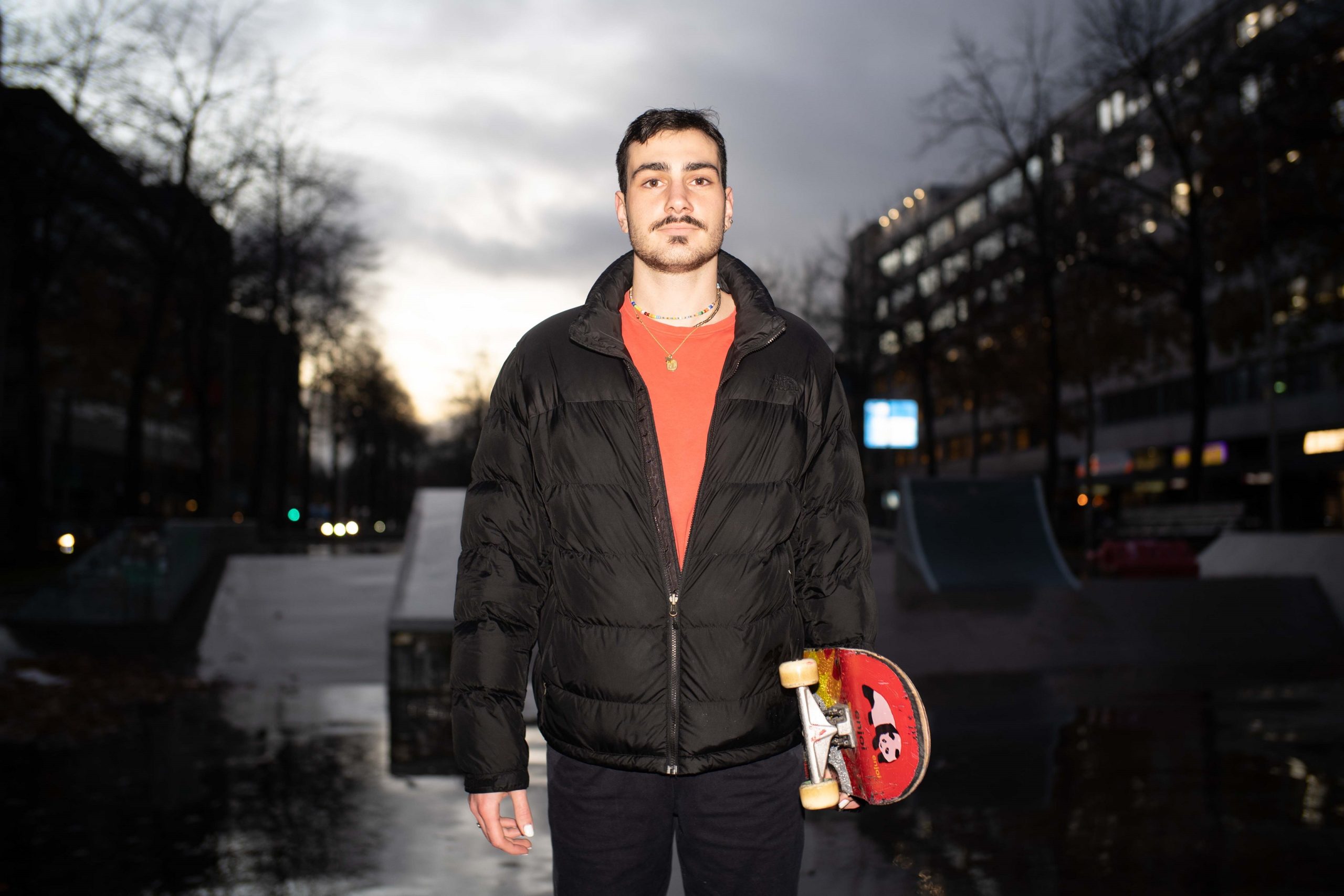
‘Students have so many different talents outside of academia’
Gepubliceerd op:-
In Pictures
-
A lack of diversity in medical research could result in misdiagnoses or ineffective medication. Cardiovascular diseases often present very differently in women than they do in men, for instance. Ideas for solutions vary. “Heterogeneity muddies the waters.”
Read more
-
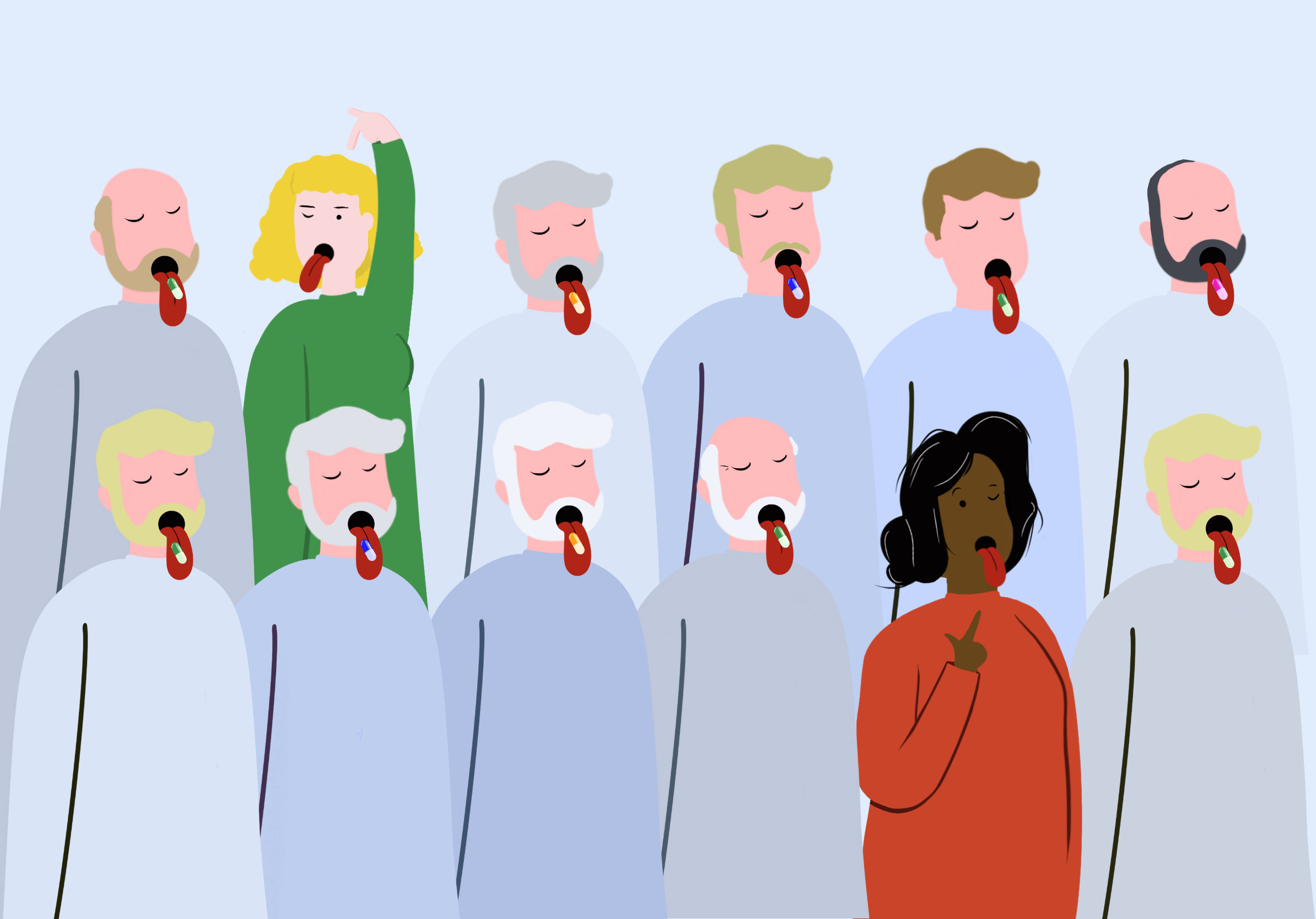
‘Why would you only study white people when a diseases affects everyone?’
Gepubliceerd op:-
Science
-
For this investigation, 36 policy documents from 21 educational institutions (13 universities and 8 universities of applied sciences) were analysed. These include visions, strategies, memoranda, action plans and position papers detailing the plans of the educational institutions in question.
For this investigation, 36 policy documents from 21 educational institutions were analysed: 13 universities and 8 universities of applied sciences. Almost all diversity officers say they have faced negative reactions. Three of them say they have been threatened. Due to this, a A number of them were reluctant to cooperate with this research.
This research was made possible by a contribution from the Journalism Promotion Fund.
Latest news
-
Interest on student debt at highest level in 17 years
Gepubliceerd op:-
Money
-
-

Behind on repaying your student debt? DUO may soon pass the details on to your municipality
Gepubliceerd op:-
Politics
-
-
Extra funding for higher education does not keep pace with inflation
Gepubliceerd op:-
Education
-
Politics
-